
Summary
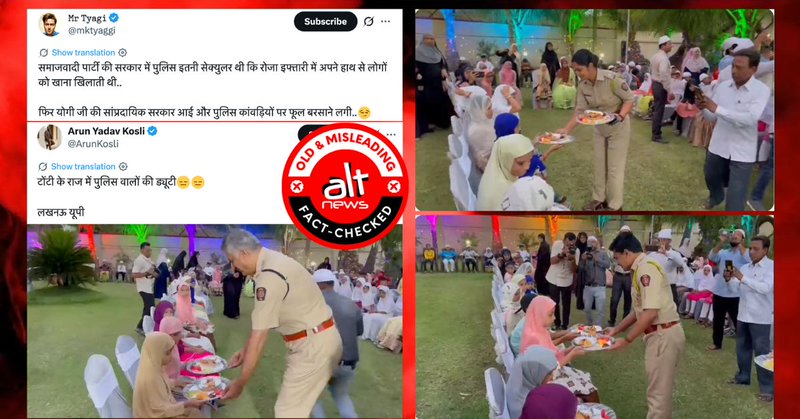
A viral video is circulating on social media, purporting to show Uttar Pradesh police serving food during an iftar party, claiming it took place during the tenure of the Samajwadi Party. However, investigations have revealed that the footage actually originates from Maharashtra, not Uttar Pradesh, debunking the claim that it represents a political practice specific to a past administration in UP.
Context of the Viral Video
The video in question features police officers serving food to children, which a number of online users and commentators interpreted as a demonstration of goodwill by the Uttar Pradesh police during the Samajwadi Party’s governance. The claims gained traction particularly in light of communal sensitivities, often surfacing during the month of Ramadan, and were shared widely among political circles.
However, the reality is different. Independent fact-checking organizations have traced the video’s origin to Solapur, Maharashtra. This serves as a potent example of misinformation that can be weaponized in the political arena. The initial tagging of the video as a representation of governance in Uttar Pradesh during the Samajwadi Party’s administration highlights how easily visuals can be misconstrued or manipulated for political advantage.
The Role of Social Media in Political Messaging
In the era of digital communication, social media platforms have become a battleground for political rhetoric. Videos and images can quickly go viral, influencing public perception and agenda. This particular incident reinforces the critical role that digital literacy plays in contemporary politics. Viewers must exercise caution, scrutinizing the authenticity of the content they consume and share.
The dissemination of this video also underscores the tendency of political factions to exploit charged narratives around community relationships, particularly between different religious groups in India. While the original aim behind the iftar event might have been one of communal harmony, the reinterpretation of it for political gain has broader implications, reinforcing existing divides rather than fostering unity.
Why This Matters
Understanding the implications of viral misinformation is essential for Indian readers, particularly as the nation gears up for upcoming electoral contests. Politics in India are often deeply entwined with community identity, and misleading narratives can exacerbate communal tensions.
Furthermore, this incident illustrates the ongoing challenges faced by fact-checkers and responsible media in an age where misinformation can spread faster than the truth can catch up. As political parties position themselves for gains ahead of elections, they may resort to using misleading information to sway public opinion. Recognizing the actual contexts behind viral content will empower voters to make more informed decisions at the polls.
Frequently Asked Questions
What did the viral video claim?
The viral video claimed to show Uttar Pradesh police serving food during an iftar party, suggesting a specific political practice by the Samajwadi Party during their governance.
Where was the video actually filmed?
The video was actually filmed in Solapur, Maharashtra, not Uttar Pradesh.
Why is misinformation a concern in Indian politics?
Misinformation can easily sway public opinion and exacerbate communal tensions, particularly in a diverse society like India, where identities often overlap with political affiliations.
What should viewers do when encountering viral content?
Viewers should verify the authenticity of viral content through credible fact-checking organizations and cross-check with reliable news sources before sharing or reacting to the information.