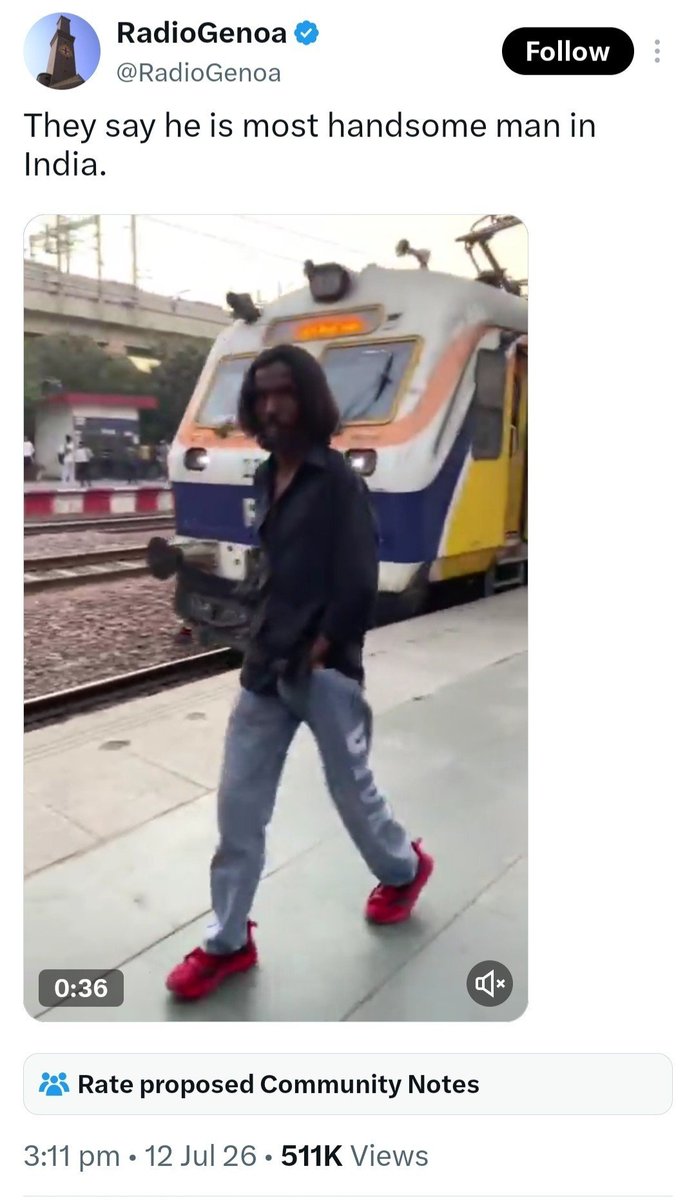

The “Radio Genoa” account has successfully built a loyal right-wing audience in India by disseminating anti-Muslim content, a strategy that has been further amplified by various right-wing influencers. Recently, this account has shifted its focus to target a broader Indian audience, raising concerns about the monetization of hateful content on platforms like X, which rewards such behavior with financial incentives.
Understanding Radio Genoa’s Strategy
The account “Radio Genoa,” originally appealing to right-wing sentiments with anti-Muslim rhetoric, has adapted its approach to engage a wider demographic. Utilizing sensational content, the account has crafted a niche that thrives on controversy and division. This dynamic has allowed it to embed itself within the digital landscape of Indian politics, directly appealing to ideologies that often characterize communal discord.
By aligning itself with the narratives of other right-wing influencers, Radio Genoa has effectively created a cascading effect where its posts gain traction and visibility. These influencers play a crucial role in amplifying the content, ensuring that it reaches a larger audience, thereby normalizing divisive discourse within public discussions. This orchestrated dissemination of hateful content not only garners attention but has also started to generate revenue, a troubling trend that indicates the potential for destructive dialogue within the public sphere.
The Monetization of Hate
Platforms like X have been criticized for their profit model, which incentivizes attention-grabbing, often polarizing content. Accounts that spread hateful or divisive messages can benefit from biweekly payouts, creating a financial motive to intensify their rhetoric. Radio Genoa’s shift toward targeting a broader Indian demographic appears to be a calculated move to exploit this system further, increasing both their influence and profit margins.
This monetization of hate is alarming as it encourages content creators to prioritize sensationalism over responsibility, contributing to societal polarization. The link between financial incentives and the elevation of hateful narratives can have profound implications, as influencers may continue to push extremist views to maintain their income stream and follower engagement.
The Broader Impact on Indian Society
The tactics employed by Radio Genoa and similar accounts exemplify larger trends within Indian digital discourse. As platforms evolve, so do the methods used by political actors to shape narratives. With a sociodemographic landscape that is exceptionally diverse, the rise of polarized content poses risks not just to communal harmony but also to democratic values.
As these narratives gain traction, they can influence public perceptions, contribute to increased sectarian tensions, and undermine the principles of inclusivity and tolerance. The failure to address the normalization of hate-based content can lead to entrenched divisions within society, negatively impacting social cohesion and national unity.
Why This Matters
The ongoing targeting of Indian audiences by accounts like Radio Genoa poses a critical threat to the fabric of Indian democracy. It highlights the vulnerability of online platforms to manipulation by malicious actors seeking to exploit communal sensitivities for personal gain. Understanding this dynamic is vital for individuals, policymakers, and civil society, as it underscores the need for more robust mechanisms to combat hate speech and promote responsible discourse in the digital age. Addressing the challenges posed by such content is pivotal to preserving the core values of democracy and fostering a culture of respect and tolerance among various communities in India.
Frequently Asked Questions
What is Radio Genoa known for?
Radio Genoa is recognized for creating and disseminating anti-Muslim content tailored to appeal to right-wing audiences in India, leveraging divisive narratives for engagement and financial gain.
How does the monetization model work for accounts like Radio Genoa?
Accounts on platforms like X can earn money through biweekly payouts based on engagement metrics, incentivizing them to produce content that captures attention, even if it involves hate or divisive rhetoric.
What impact does hate-based content have on Indian society?
Hate-based content can fuel communal tensions and undermine social cohesion, posing risks to democratic values and the overall stability of society, making it crucial to address and mitigate such narratives.
What should be done to tackle the issue of divisive content online?
It is important to establish stronger regulations on online platforms, promote digital literacy among users, and encourage responsible content creation to combat the spread of hate speech and divisive narratives effectively.