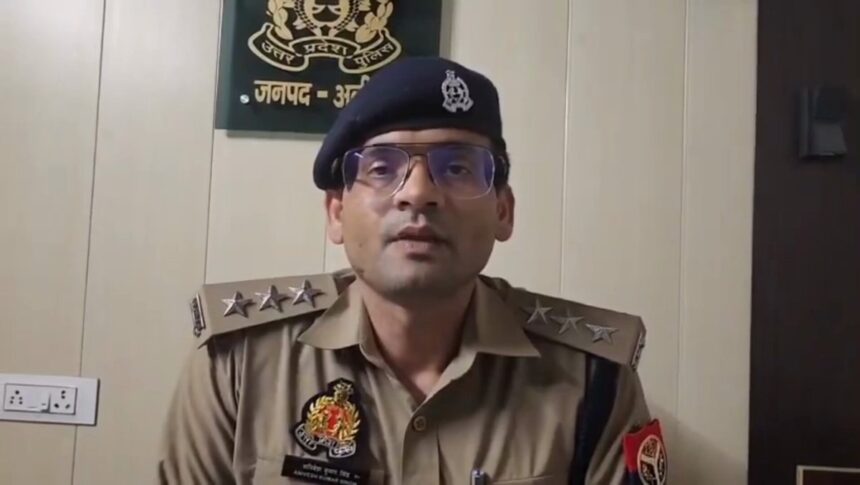

Recent statements from the Aligarh police regarding a distressing incident involving a 14-year-old girl have sparked significant outrage. Videos circulating online depict the girl seemingly unconscious, while two men appear intoxicated nearby. Critics have raised concerns about the insensitive portrayal of the situation by law enforcement.
Incident Overview
On social media, a video emerged from the Chharra police station area in Aligarh that shows a young girl apparently incapacitated on the floor. This has raised alarms given that the police initially stated that the girl was consuming alcohol with two middle-aged men. Eyewitness accounts and shared videos seem to indicate a far more serious scenario, involving possible abuse and misconduct.
In particular, one tweet by a commentator mentions that the 14-year-old girl was allegedly lured away by the two men and forced to consume alcohol before being assaulted. The police’s framing of the girl’s involvement in drinking alcohol has been widely criticized as insensitive and potentially misleading.
Public Reaction and Criticism
The public response to the police’s statement has been overwhelmingly negative, with many questioning the credibility of the law enforcement narrative. Critics argue that suggesting a minor was drinking with adults trivializes the gravity of the allegations, which include both drug and sexual abuse. Activists and advocates have called for a more thorough investigation and highlighted the need for a sensitive and accurate portrayal of victims in such cases.
Furthermore, advocates for women’s rights have voiced indignation over the potential victim-blaming involved in the police statement. The narrative could discourage victims of abuse from coming forward, as they might fear being scrutinized or blamed for their own victimization.
Media Reporting and Ethical Concerns
Media reports and social media commentary surrounding this incident raise questions about ethics in journalism and the responsibility of law enforcement to protect vulnerable individuals. The police’s comments imply a normalization of victim-blaming that has far-reaching ramifications for how society treats incidents of sexual violence, particularly against minors.
Additionally, the media’s portrayal of the incident can shape public perception. Responsible reporting must focus on the accountability of abusers rather than the behavior of victims. It’s crucial for law enforcement to communicate effectively, ensuring that the victims receive the support they need rather than becoming subjects of ridicule or misunderstanding.
Why This Matters
The repercussions of this incident extend beyond the immediate situation in Aligarh; they touch on broader societal issues regarding how sexual violence is addressed in India. This includes the treatment of minors in sexual abuse cases and how law enforcement communicates with the public about such matters. The sensitivity with which these topics are handled reflects on societal values and can influence national discourse on women’s safety and rights.
In a country where sexual violence remains a rampant issue, the handling of such cases by authorities can impact public trust in law enforcement and justice systems. It is critical for police forces and media outlets to present their findings responsibly and empathetically to foster an environment where victims feel safe to come forward without fear of stigma or scrutiny.
Frequently Asked Questions
What happened in Aligarh?
A 14-year-old girl was allegedly lured by two men, forced to consume alcohol, and may have been sexually assaulted. Videos depict her appearing unconscious while the men were seemingly intoxicated.
Why is the police statement controversial?
The police claim that the girl was drinking alcohol with the men, which many perceive as a form of victim-blaming. Critics argue this narrative undermines the seriousness of the alleged crimes against her.
What are the wider implications of this incident?
This incident highlights broader societal attitudes towards sexual violence and the treatment of victims, especially minors. It raises concerns about how effectively law enforcement addresses such cases and the impact of their messaging on public perception.
How can victims of sexual violence be better protected?
Improving victim support systems, providing clear and sensitive communication from authorities, and fostering a culture that encourages reporting without stigma are essential steps in protecting victims of sexual violence.