
Muhammad Zubair, co-founder of the fact-checking site Alt News, was arrested by the Delhi Police for allegedly hurting religious sentiments through a tweet. His arrest has sparked widespread criticism, particularly directed at the ruling BJP-led Central government, highlighting a perceived inconsistency in the legal treatment of individuals based on their political affiliations.
Details of the Arrest
Zubair was taken into custody on June 27, 2022, in connection with a tweet he posted in March 2018, which reportedly included an image meant to insult a deity of a certain religion. His arrest followed a pattern where the police, despite being bound by law to issue a notice beforehand, failed to do so, as alleged by his Alt News colleague, Pratik Sinha. He has been accused under sections that govern statements intended to incite religious animosity.
The Delhi Police, which operates under the Ministry of Home Affairs, stated that Zubair was originally being questioned regarding an older case but was arrested based on what they claimed was sufficient evidence related to this new allegation. The police plan to present him before a magistrate to request further custody.
Political Reactions
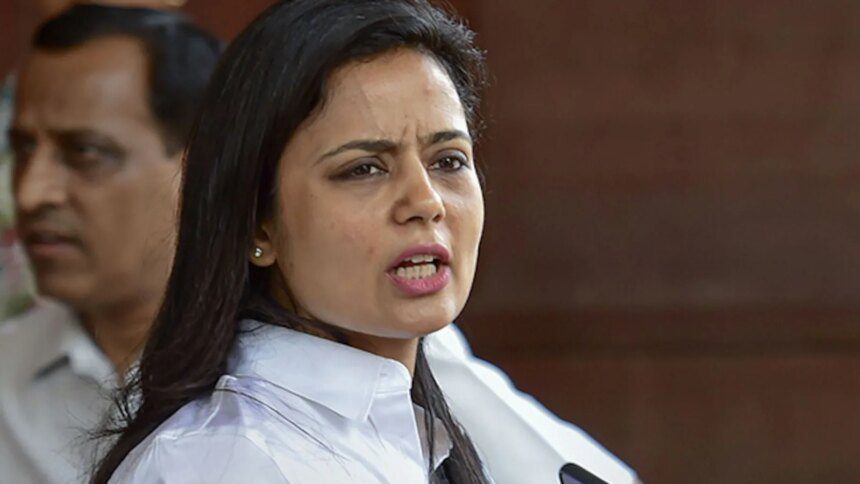
Many political leaders have condemned the arrest, stating it reflects a troubling trend of selective justice. Trinamool MP Mahua Moitra criticized the Delhi Police for acting in favor of “sahibs” (a term often used to refer to the powerful or elite) and claimed Zubair’s arrest was for a “trumped up case” while other individuals, like suspended BJP leader Nupur Sharma, remained unpunished for similar offenses. Sharma’s controversial remarks on the Prophet Mohammad had earlier caused widespread unrest and international outcry.
Congress leader Rahul Gandhi chimed in by emphasizing that arresting one voice of truth would only amplify others, arguing that it reflects the BJP’s fear of dissent. He stated, “Every person exposing BJP’s hate, bigotry and lies is a threat to them.” Other leaders from the opposition echoed similar sentiments, marking Zubair’s arrest as an attack on freedom of expression.
Backlash and Broader Implications
The arrest of Zubair has reignited discussions about media freedoms in India, especially regarding journalists and fact-checkers who report on sensitive issues such as religious sentiments. Figures like Srinivas BV, Youth Congress President, pointed out the irony of Zubair being targeted while those propagating hate speech enjoy impunity. Kerala MLA MK Muneer remarked that it is shameful that a journalist who unveiled hate speech is now in detention while the source of the hate speech remains free.
This incident not only showcases the fractures in Indian political discourse but also serves as a critical moment for the media landscape in India, particularly for those engaged in fact-checking and journalism that critiques the government. The incidents are indicative of a broader climate of fear for those who challenge dominant narratives.
Why This Matters
The implications of Zubair’s arrest resonate deeply within the framework of Indian democracy, where freedom of speech is constitutionally guaranteed yet often undermined by state machinery. For many Indian citizens, this incident underscores a worrying trend of silencing dissent—especially from individuals and organizations that hold power to account. As public discourse shifts increasingly towards polarization, the case of Muhammad Zubair accentuates the need for vigilance in safeguarding democratic norms and wresting back the narrative from forces that seek to stifle criticism.
Frequently Asked Questions
What was the reason behind Muhammad Zubair’s arrest?
He was arrested for allegedly hurting religious sentiments through a tweet that included an image purportedly aimed at insulting a deity.
How has the political landscape reacted to this arrest?
Political leaders from opposition parties have condemned the arrest, arguing it highlights selective justice and an attack on freedom of expression.
What are the legal implications of Zubair’s arrest?
The arrest involved several sections of the law that govern acts intended to incite religious animosity, and it has raised questions about adherence to legal protocols like the requirement for prior notice before arrest.
Why does this incident matter for Indian democracy?
Zubair’s arrest is seen as indicative of a broader trend of silencing dissenting voices, raising concerns about media freedoms and the health of democratic norms in India.