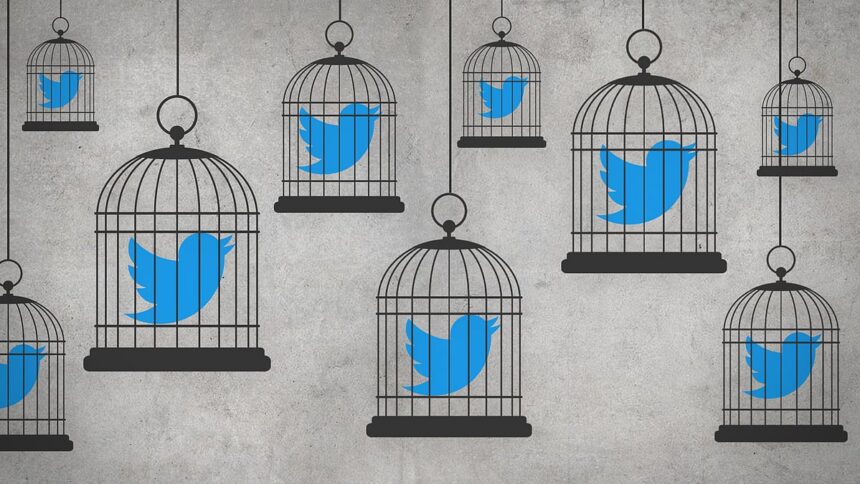

Twitter has recently withheld several accounts, including that of the Caravan, as a response to a legal demand from the Indian government regarding tweets that allegedly used incendiary hashtags related to farmer protests. The decision has raised significant concerns about transparency and the implications for freedom of expression in India.
Context of Account Withholding
Vinod Jose, the executive editor of the Caravan, expressed confusion over Twitter’s decision to withhold their account without prior notification. He stated, “We have no idea [about why this has happened]. We have no public or private information.” This lack of transparency highlights a key issue with social media governance—whether companies prioritize user engagement or adhere strictly to governmental requests that may infringe on freedom of speech.
Legal Framework for Content Removal
According to reports, Twitter may withhold content in response to valid requests from authorized entities, such as law enforcement or government officials. In cases where a court order is issued, the message “account has been withheld in India in response to a legal demand” appears, indicating compliance with local laws. This policy is tied to regional legal requirements and navigates the complex relationship between social media platforms and national governance. However, the vague criteria surrounding what constitutes a “valid request” pose significant questions regarding accountability.
The Impact of Censorship on Political Discourse
The decision to block approximately 250 accounts for allegedly using the hashtag “Modi Planning Farmer Genocide” on January 30 has sparked outrage among digital activists and political commentators. Notably, several verified accounts continued to tweet using the controversial hashtag without any repercussions, raising concerns about selective enforcement and bias. As Newslaundry reported, the affected accounts included multiple political entities and activists, creating an environment of uncertainty as users are left to wonder which conversations are deemed permissible by the platform versus those that are subject to repression.
Why This Matters
The withholding of accounts tied to political discourse in India illustrates the fragile balance between governance and freedom of expression. India has seen increasing scrutiny over the role of social media platforms in shaping public opinion and their responsiveness to state authorities. This incident raises critical questions about the accountability mechanisms in place to protect users, especially in politically charged environments. The implications extend beyond individual accounts; they reflect a broader trend of digital censorship that could undermine democratic principles and public discourse in the country.
Frequently Asked Questions
What prompted Twitter to withhold these accounts?
Twitter received a legal demand from the Indian government to block content related to specific hashtags deemed provocative.
What does Twitter’s policy say about withholding accounts?
The policy states that Twitter will withhold access to content if it receives a properly scoped request from an authorized entity, adhering to regional legal requirements.
Which accounts were affected by this decision?
Accounts linked to the Caravan and various political activists, as well as organizations involved in farmer protests, were among those frozen, although many other verified accounts using similar hashtags remain active.
Why is this significant for political discourse in India?
This situation highlights the tensions between state authority and freedom of expression, raising critical issues about censorship, accountability, and the protections afforded to users in politically sensitive contexts.