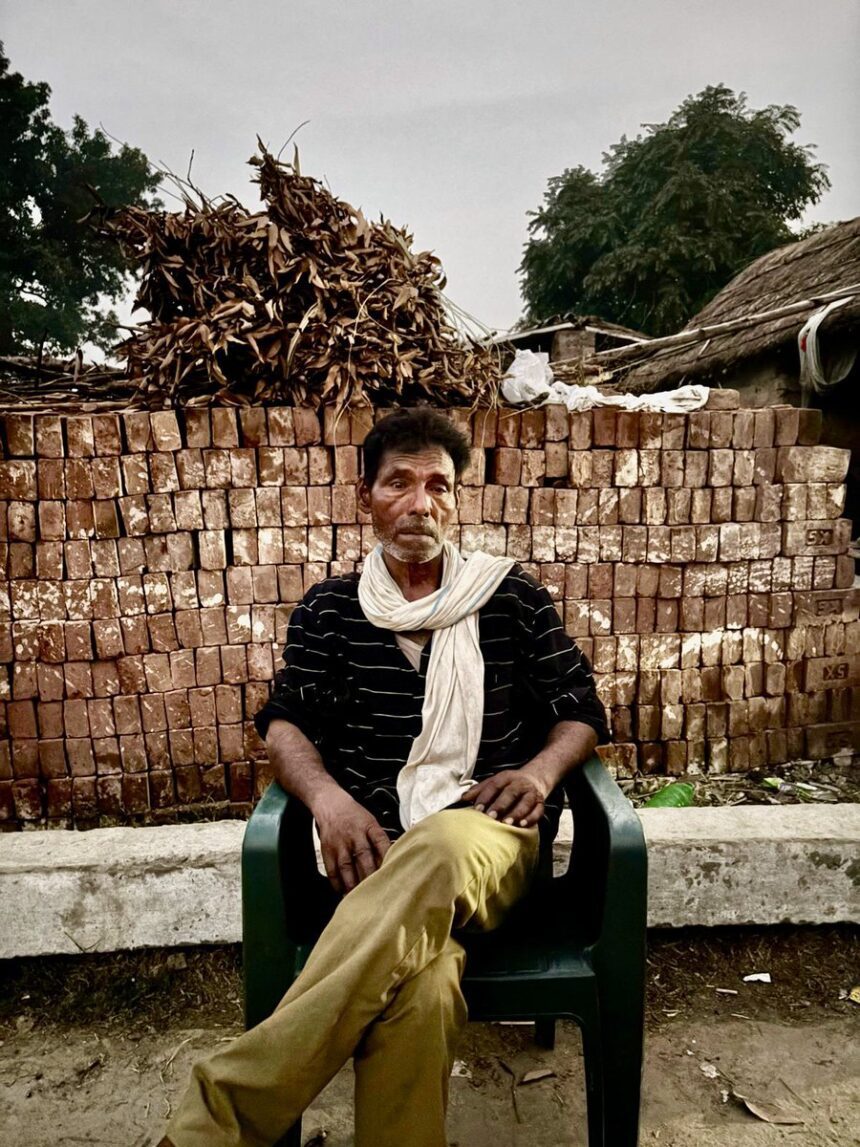

This evening, significant discussions took place regarding the tragic lynching of Shahzad in Siwan, a case that has sparked widespread outrage. His father, Kayamuddin sahab, received immediate financial assistance and an assurance for the educational future of Shahzad’s children. However, calls for stringent punishment for the perpetrators are gaining momentum to prevent similar incidents of communal violence.
Systemic Violence and Lynching in India
The recent lynching of Shahzad has unearthed deep concerns about the rising incidents of mob violence in India, particularly against minority communities. This incident is just one of many that reflect a broader trend of communal strife fueled by social, economic, and political factors. Reports indicate that such lynchings often arise from allegations of cow slaughter and other communal provocations, exacerbating tensions between communities.
The violence surrounding Shahzad’s death not only highlights the immediate loss of life but also raises questions about the safety of minority communities in India. Activists argue that lynching displays an alarming normalization of violence, which translates into a chilling effect on public safety and communal harmony.
Community Support and Relief Efforts
In response to this tragedy, immediate relief measures have been initiated. Through the efforts of organizations like @miles2smile_, financial assistance totaling Rs 50,000 has been provided to Kayamuddin sahab, aiming to offer some solace in a time of immense grief. Furthermore, commitments have been made to secure the educational needs of Shahzad’s children through the @Shaagird__ Foundation.
This type of community support is crucial in the aftermath of such tragedies, as it not only assists the affected families but also symbolizes unity against hatred and violence. It serves as a stark reminder that even in the face of brutality, collective compassion can pave the way for healing and justice.
Justice and Accountability: A Call to Action
Despite the immediate aid provided, the fight for justice remains paramount. Advocacy groups and concerned citizens are calling for severe penalties for Shahzad’s assailants, urging the legal system to act decisively to deter future occurrences of similar communal violence. There is a growing belief that without accountability, the cycle of hate and violence will continue to perpetuate.
Public sentiment is increasingly aligning with the demands for systemic changes to prevent lynching and safeguard vulnerable communities. Activists emphasize the need for comprehensive legal reforms and improved policing to protect citizens from mob violence. The situation is a reminder of the responsibility borne by both government authorities and civil society to uphold justice and promote coexistence.
Why This Matters
The implications of this event extend beyond the immediate tragedy of Shahzad’s death. The ongoing issue of lynching in India has profound political significance, reflecting the challenges facing the country in maintaining social justice, communal harmony, and human rights. These incidents garner national attention and can ignite significant political debates, especially regarding the role of state and societal responses to communal violence.
As India navigates its diverse societal landscape, the handling of such incidents can influence public perception of governance and the strength of its legal system. The demand for justice in Shahzad’s case may inspire broader movements advocating for the protection of minority rights and sharpening the focus on accountability in cases of communal violence.
Frequently Asked Questions
What happened to Shahzad in Siwan?
Shahzad was brutally lynched by a Hindu mob last week in Siwan. The incident has sparked widespread outrage and demands for justice.
What assistance has been provided to Shahzad’s family?
Kayamuddin sahab received immediate financial assistance of Rs 50,000 and a commitment to ensure the education of Shahzad’s children through the @Shaagird__ Foundation.
What actions are being called for to prevent similar incidents?
Activists and concerned citizens are demanding severe punishments for the perpetrators to deter future communal hate killings and are advocating for systemic legal reforms.
Why is this lynching significant in a political context?
The lynching highlights ongoing societal tensions and the need for effective governance. It has implications for the protection of minority rights and public safety, making it a focal point for political discourse in India.