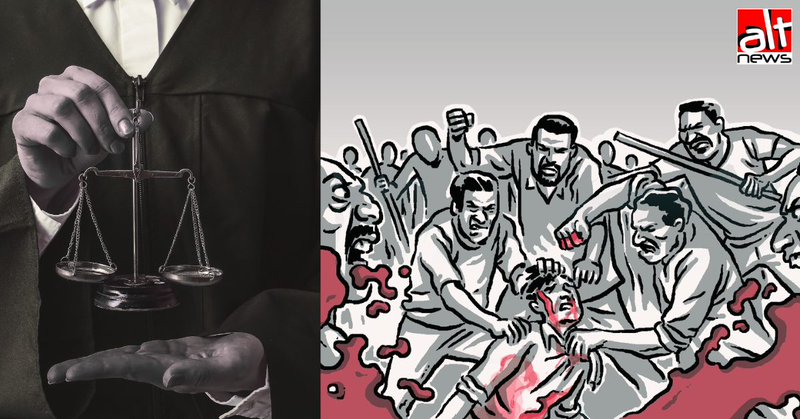

In a troubling incident highlighting the volatile intersection of law and religious identity in India, Madhya Pradesh judge Tabassum Khan has come under attack from Hindutva activists. The threats, including a particularly heinous rape threat issued by Vishal Thakur from Surat, follow her decision to sentence 14 cow vigilantes to life imprisonment for the murder of a Muslim truck driver.
Context of the Conviction
The legal proceedings that led to this backlash began when a Muslim truck driver was lynched in Madhya Pradesh in 2022 by a mob of cow vigilantes. The case garnered widespread media attention and sparked public outrage. The court’s decision to convict the assailants was seen as a significant move against the elements of fanaticism that have been increasingly emboldened in the country. Judge Tabassum Khan’s sentencing of the 14 men involved was a plea for justice, aimed at upholding the rule of law amidst escalating communal tensions.
Threats Directed at Judge Khan
Following Judge Khan’s ruling, social media became a platform for organized attacks against her. Vishal Thakur, a known provocateur, made a public statement where he issued rape threats against her, reflecting a disturbing trend where women in positions of authority, particularly from minority communities, face harassment. This incident not only underscores the threats faced by female judges in India but also highlights the deep-seated communal biases that can manifest in violent rhetoric.
The Role of Social Media in Amplifying Hate
The threats against Judge Khan exemplify a broader phenomenon in which social media platforms serve as a battleground for communal disputes. In recent years, online platforms have increasingly been used to mobilize mobs against individuals perceived as opponents of Hindutva ideology. The ability to instantly disseminate threats and hateful messaging has made these platforms critical in shaping communal narratives in India. Moreover, the lack of stringent action against such behaviors emboldens perpetrators to continue using these tactics to intimidate and silence dissenting voices.
Why This Matters
The threats against Judge Tabassum Khan carry significant political ramifications. They reflect the rising climate of intolerance and hostility toward minority communities in India, and specifically, women who break through traditional roles in the judicial system. The backlash she faced may deter other judicial figures from making similar rulings, undermining the independence of the judiciary. Furthermore, this incident raises broader questions about the safety of women in public life and the need for protective measures to ensure that justice can prevail over fear.
Frequently Asked Questions
What sparked the threats against Judge Tabassum Khan?
The threats were a direct reaction to her sentencing of 14 cow vigilantes to life imprisonment for the murder of a Muslim truck driver, a decision that challenged extremist views and practices surrounding cow protection in India.
Who is Vishal Thakur?
Vishal Thakur is an individual from Surat who has been identified as one of the Hindutva flagbearers issuing vocal threats against Judge Khan on social media, showcasing the rise of online harassment linked to communal tensions.
What does this incident reveal about the current state of the judiciary in India?
This incident underscores the increasing pressures and threats faced by judicial members, particularly those who make rulings that challenge extremist ideologies, signaling a potential chilling effect on legal independence.
How has social media played a role in this situation?
Social media has acted as a platform for mobilizing hatred and threats against Judge Khan, illustrating how online environments can amplify tensions and provide a space for communal dissent against judicial systems.