
Summary
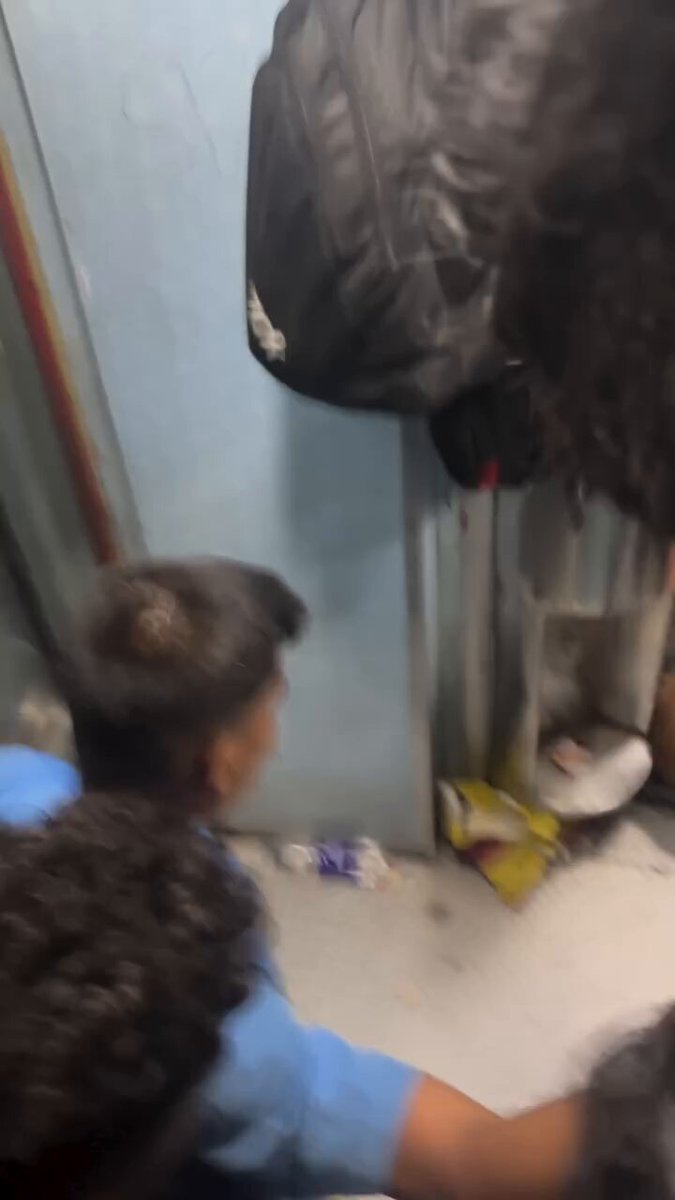
A viral video on social media depicts an incident where IRCTC catering staff allegedly assault a passenger aboard a train. This incident has reignited discussions about overpricing of onboard food and drink items, culminating in serious concerns regarding passenger safety and accountability within Indian Railways.
Context of the Incident
The disturbing footage circulating on social media shows apparent violence between IRCTC catering staff and a passenger. This incident adds to a long list of complaints regarding the overpriced food and beverages served on trains. Passengers frequently report instances where items, such as a ₹10 cup of tea sold for ₹20, or a ₹14 water bottle priced at ₹20, have been oversold. These inflated prices extend to food items as well, where a standard thali costing ₹80 is often sold for between ₹120 and ₹200.
The pricing issues, coupled with an incident of alleged violence, raises significant concerns about the service quality and operational standards followed by IRCTC and the Indian Railways. With passengers becoming increasingly vocal about these concerns, the pressure mounts on railway authorities to address these complaints effectively.
Background on Passenger Complaints
Over the years, the Indian Railways has faced substantial scrutiny regarding the pricing of food and beverages offered to travelers. It has been a common sight for passengers to express dissatisfaction related to service quality, cleanliness, and, most importantly, pricing. IRCTC, which manages catering services in trains, has been under the scanner not only for price hikes but also for the safety protocols it observes while handling customers.
The public perception has shifted towards the belief that passengers are often exploited, with their frustrations fueled by social media’s rapid dissemination of stories like the recent assault. The existence of such predicaments draws attention to the need for accountability within the railway system and a reassessment of how catering services are managed.
Analysis of Safety and Accountability
This incident raises critical questions regarding the safety and accountability measures in place for passengers. If staff members are resorting to violence in response to complaints or disputes, it indicates a troubling culture that lacks proper conflict resolution mechanisms. Passengers, who should feel secure and supported while traveling, may now hesitate to voice concerns about unsatisfactory service for fear of backlash or violence.
Moreover, the need for a thorough investigation by the Railways Ministry and IRCTC becomes inevitable. Reports of similar incidents could tarnish the reputation of Indian Railways and lead to diminished trust among travelers. Several questions emerge: Are sufficient training programs provided for catering staff? What grievance redressal mechanisms are available for passengers? Is there adequate monitoring of service standards?
Why This Matters
This incident is emblematic of broader systemic issues that plague Indian Railways. The interplay between passenger safety, service standards, and the pricing strategy becomes critical in a country where rail travel remains a primary mode of transportation for millions. The politicization of such issues can sway public sentiment against the ruling government, especially if perceived negligence leads to rising dissatisfaction among the populace.
Politically, accountability within public sector organizations like Indian Railways reflects government efficiency and responsiveness to citizen needs. The manner in which this incident is addressed will serve as a litmus test for the current administration’s commitment to improving public services and ensuring traveler rights are safeguarded.
Frequently Asked Questions
What does the viral video show?
The video depicts an alleged altercation between IRCTC catering staff and a passenger in a train, highlighting incidents of violence over disputes that have arisen regarding service and pricing.
What are the common complaints regarding IRCTC services?
Passengers frequently report inflated prices for food and beverages on trains, where common items are often sold at significantly higher rates than the marked prices.
What action should be taken against the staff involved?
There should be a thorough investigation into the incident, with appropriate penalties imposed on the staff involved if they are found guilty of misconduct or violence against passengers.
How does this affect passenger safety on Indian Railways?
The incident raises alarming questions about the safety and security of travelers on trains, suggesting that if staff are resorting to violence, a change in training and oversight protocols may be urgently needed.