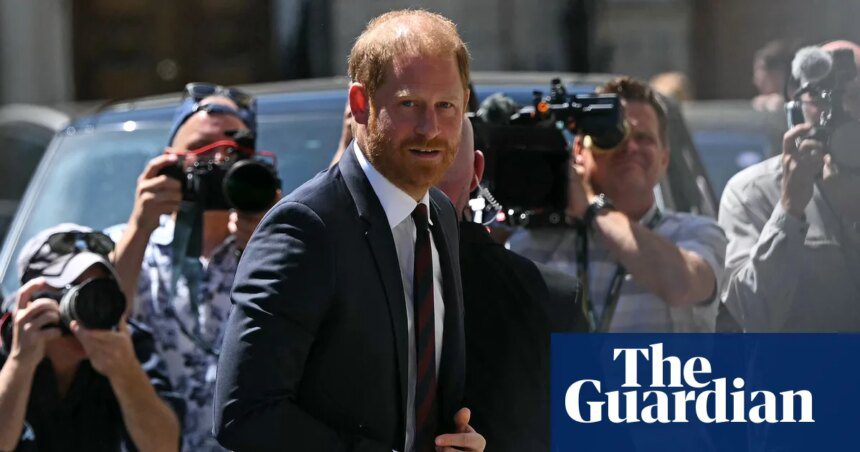

On 26 January 2015, an unexpected alliance formed in the sparkling milieu of London as disgraced tabloid journalist Graham Johnson met with actor Hugh Grant at KX Gym. This unlikely encounter paved the way for Prince Harry and others to launch a high-profile privacy lawsuit against the Daily Mail, revealing the intricate connections between celebrity, journalism, and the legal system.
The Seeds of a Legal Battle
In an era where privacy and press freedom often collide, the meeting between Grant and Johnson marked a pivotal moment. Johnson, who had been grappling with legal troubles of his own due to phone hacking, faced potential jail time until he decided to turn whistleblower. Johnson’s collaboration with Grant and former MP Evan Harris gave birth to a legal action that would involve not just Prince Harry, but other celebrities such as Elton John, Elizabeth Hurley, and Doreen Lawrence. Their collective aim was to expose alleged breaches of privacy committed by the Daily Mail, a publication long criticized for its invasive tactics.
Operation Bluebird Takes Flight
As Johnson and Harris began their investigative work, they initiated Operation Bluebird, a mission focused on uncovering unlawful reporting practices at the Daily Mail. Despite the scandal that enveloped other tabloids like News of the World, the Daily Mail had managed to evade scrutiny. Spearheaded by Paul Dacre, the paper faced a growing stack of allegations concerning its treatment of private individuals, notably Harry and his associates. This task was compounded by the challenge of finding credible sources and evidence while building an alliance among high-profile claimants.
Cracks in the Alliance
As the case progressed, underlying tensions began to surface. Johnson’s fallout with key witness Gavin Burrows raised questions about the reliability of the evidence compiled against the Daily Mail. Burrows, initially seen as a major asset due to his willingness to elaborate on illegal practices in tabloid journalism, later recanted some of his statements. The fallout illustrated both the complexity of unearthing journalistic misconduct and the inherent risks of relying on damaged credibility in such high-stakes legal battles. Sadly, this culminated in a significant defeat for Harry and his co-claimants when the judge ruled against them on every count of the lawsuit.
Why This Is Trending
This topic has captured considerable media attention, particularly among Indian audiences, for multiple reasons. First, the worldwide conversation about media ethics and celebrity privacy resonates in India, where Bollywood figures frequently find themselves in the tabloids. Furthermore, Prince Harry’s emotional journey and his fight against intrusive journalism have sparked a wave of sympathy and interest, leading to discussions on similar topics within Indian celebrity culture.
Frequently Asked Questions
What was the primary objective of the lawsuit against the Daily Mail?
The lawsuit aimed to expose the alleged illegal practices and breaches of privacy committed by the Daily Mail against Prince Harry and other prominent individuals.
Who are the key figures involved in this legal battle?
Key figures include Prince Harry, Hugh Grant, Graham Johnson, Evan Harris, Elton John, Elizabeth Hurley, and Doreen Lawrence.
What led to the breakdown of the case?
The breakdown was largely attributed to the loss of credibility of key witness Gavin Burrows, who later distanced himself from the claims he had made against the Daily Mail.
Why did this case resonate with the Indian audience?
With India’s growing discourse on media ethics and privacy in the age of rampant tabloid journalism, the implications of such high-profile legal battles are particularly relevant for an Indian audience curious about the intersection of fame and privacy.