
Summary
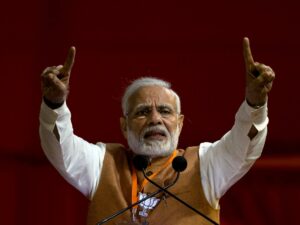
Recent events in India highlight an alarming escalation in the demolition of mosques, reflecting anti-Muslim policies enforced by the ruling Bharatiya Janata Party (BJP). Justice For All expresses grave concern over these actions and the prevailing atmosphere of religious intolerance influenced by the party’s majoritarian agenda under Prime Minister Narendra Modi.
Recent Mosque Demolitions
In a disturbing five-day span, three mosques were demolished across India. The targeted sites include Masjid Mustafa Qadri in Sambhal and the Shaheed Azgaib Mosque in Varanasi, both located in Uttar Pradesh, as well as the Noorani Mosque in Jaipur, Rajasthan. Notably, the Shaheed Azgaib Mosque had functioned without issue for the last 200 years, yet now faces destruction under claims of encroachment. This raises concerns about the selective enforcement of laws, as many Hindu temples built on public land remain untouched.
The BJP governs both Uttar Pradesh and Rajasthan, indicating a troubling trend where regional power aligns with a nationwide anti-Muslim sentiment. In many instances, the law appears to apply more stringently to Muslim places of worship compared to Hindu ones, highlighting a systemic bias that fosters an unequal religious landscape.
Rhetoric of Division
The political climate in India has shifted dramatically with the rise of the BJP, as the party’s narrative often pits Hindus against Muslims and Christians. The hate speech proliferated by party leaders has galvanized a movement that marginalizes minority communities, portraying them as threats to the cultural fabric of India.
Zahir Adil, head of the Save India From Fascism campaign at Justice For All, states, “India is regressing at an alarming pace with regard to religious tolerance. The ruling party’s tactics—ranging from violence to institutional disregard for constitutional rights—create a climate in which religious minorities feel increasingly unsafe.” This atmosphere leads to social exclusion and economic boycotts against Muslims, compounding their marginalization in various sectors of Indian society.
Calls for Collective Action
In the face of growing polarization, there is a pressing need for Indian society to confront this majoritarianism. Justice For All calls upon intellectuals and activists to unite against the normalization of hate politics perpetuated by the BJP. The message is unequivocal: Indian democracy cannot flourish in an environment where differences are demonized.
Such collective action could help challenge the narratives that justify discrimination and reclaim the ideals of pluralism and coexistence, which are central to India’s constitution and social contract. It urges citizens, especially those in positions of influence, to offer robust resistance against these divisive trends and advocate for equitable treatment of all communities, irrespective of their faith.
Why It Matters
This situation is critical not just for the social fabric of India, but it has implications that extend globally. The discriminatory practices observed under the BJP’s governance could serve as a case study for the phenomenon of rising majoritarianism and its impacts worldwide. The issues of social exclusion and marginalization also resonate with concerns over human rights and efforts to promote global diversity, equity, and inclusion.
The international community must also monitor these developments closely. Heightened scrutiny and advocacy for human rights can play a role in influencing governmental accountability and can foster a more inclusive approach to policymaking. Failure to act or to address these issues risks normalizing intolerance in other regions grappling with similar challenges.
Frequently Asked Questions
What specific incidents have led to recent mosque demolitions in India?
In June 2026, three mosques were demolished, including two in Uttar Pradesh (Masjid Mustafa Qadri and Shaheed Azgaib Mosque) and one in Rajasthan (Noorani Mosque), highlighting a pattern of targeting places of worship for alleged encroachment.
What is the political context behind these demolitions?
The BJP, led by Prime Minister Narendra Modi, has encouraged a climate of intolerance against religious minorities, leading to increased hate rhetoric and actions against Muslims and Christians throughout India.
How has the status of religious tolerance changed in India?
The status of religious tolerance in India has deteriorated, with reports of selective legal enforcement and increased violence and discrimination against minority communities, particularly Muslims.
What can be done to address the situation?
Collective action from civil society, intellectuals, and activists is vital to confront the prevailing majoritarianism and advocate for a pluralistic society that respects all religious identities within India.