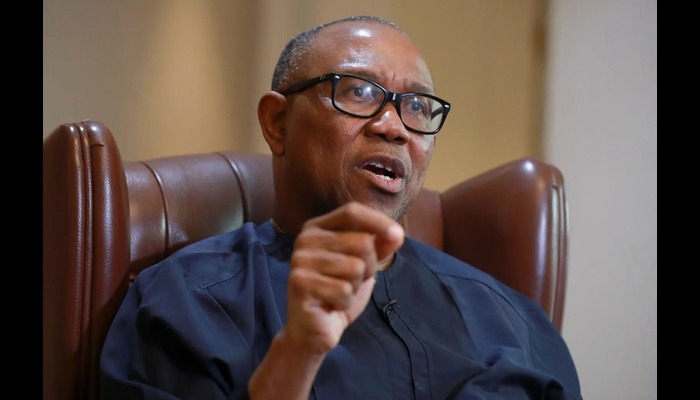

As Nigeria approaches the January 16, 2027 presidential election, Peter Obi, candidate of the Nigeria Democratic Congress (NDC), positions his campaign around themes of prudence, accountability, and competence. His political narrative, rooted in a legacy of fiscal discipline during his governorship of Anambra State, is set against a backdrop of voters grappling with economic challenges, insecurity, and a lack of trust in public institutions.
Campaign Themes: Prudence and Accountability
Peter Obi’s campaign is built on a platform advocating for a shift from a consumption-driven economy to one focused on production. His administration’s track record emphasizes targeted investment in key sectors like education and healthcare while tackling issues such as corruption and waste. By centering his message on character and stewardship, Obi seeks to redefine the standards by which candidates are evaluated in the upcoming election.
His supporters assert that his approach is a reflection of a commitment to responsible governance, a perspective increasingly resonant amid rising living costs and unemployment. However, contrastingly, critics question whether his state-level achievements can credibly extend to a complex national framework, where he would be expected to formulate cohesive monetary policies and navigate a multi-faceted political landscape.
Framing the Election: A Values-Based Referendum
Obi’s media strategy positions the upcoming election as a watershed moment for Nigeria, portraying it as a choice between historical inefficiencies and a new paradigm grounded in competence and accountability. This framing aims to transcend ethnic and religious divides, which are often pivotal in Nigerian elections, by presenting a call for more thoughtful governance rooted in tangible outcomes.
However, transitioning this ideological stance into a robust national coalition poses challenges. Successful presidential campaigns in Nigeria often rely on local alliances and regional preferences, which Obi must adeptly navigate to convert personal popularity into widespread electoral support.
The 150-Day Challenge Ahead
As the 150-day campaign unfolds, Obi will be scrutinized not only for his popular policies but also for the specificity of his execution strategies. Voters will demand clear answers regarding cost-reduction methods, budget management, and the anticipated impacts of his proposed reforms on the broader economy.
Specifically, voters will be keen on his plans for enhancing power generation, infrastructure investments, and strategies for national security against persistent threats like terrorism and communal violence. These concrete answers will play a critical role in distinguishing between campaign rhetoric and actionable governance.
Why It Matters
The current political landscape in Nigeria reflects broader trends in governance and public accountability, highlighting the importance of transparent leadership. Obi’s focus on measurable outcomes signals a potential shift away from traditional populist strategies towards a governance model that prioritizes sustainability and ethical stewardship. This evolution could influence not just the Nigerian electoral framework, but also serve as a catalyst for broader discussions on effective governance in emerging democracies globally.
Frequently Asked Questions
Who is Peter Obi?
Peter Obi is the presidential candidate for the Nigeria Democratic Congress (NDC) and a former governor of Anambra State, known for advocating fiscal responsibility and governance reforms.
What are the key messages of Obi’s campaign?
His campaign focuses on themes of prudence, accountability, and a transition from a consumption-driven economy to a production-oriented model, aiming to improve governance outcomes in key sectors like education and national security.
What challenges does Obi face in the 2027 election?
Obi must contend with ingrained ethnic and regional dynamics that often dominate Nigerian elections while also demonstrating his capability to govern at the federal level, which requires strategies that cater to a diverse electorate.
How will voters assess Obi’s policies?
Voter scrutiny will focus on the specifics of Obi’s proposed reforms regarding governance costs, economic strategies, and actionable solutions to persistent issues such as security and healthcare, distinguishing his proposals from mere political rhetoric.