
Summary
In a troubling incident from Thane district, Maharashtra, four individuals including three women and a child were wrongfully detained on suspicion of being Bangladeshi nationals, despite possessing valid Indian documentation. Their release came after public outcry and intervention from political leaders, highlighting ongoing issues of discrimination and scrutiny faced by Muslims in India under current governing frameworks.
Background of the Detention
On a late Tuesday night, authorities in Thane detained three women and a minor from West Bengal, alleging that they were illegal Bangladeshi immigrants. The detainees produced authentic Indian documents, including passports and Aadhaar cards, validated by West Bengal authorities. Despite this, local officials persisted in their detainment, claiming that a thorough investigation was essential and implying that the documentation could be fraudulent. This situation reflects heightened scrutiny faced by certain communities in India, particularly against a backdrop of prevailing political narratives.
Public Response and Activism
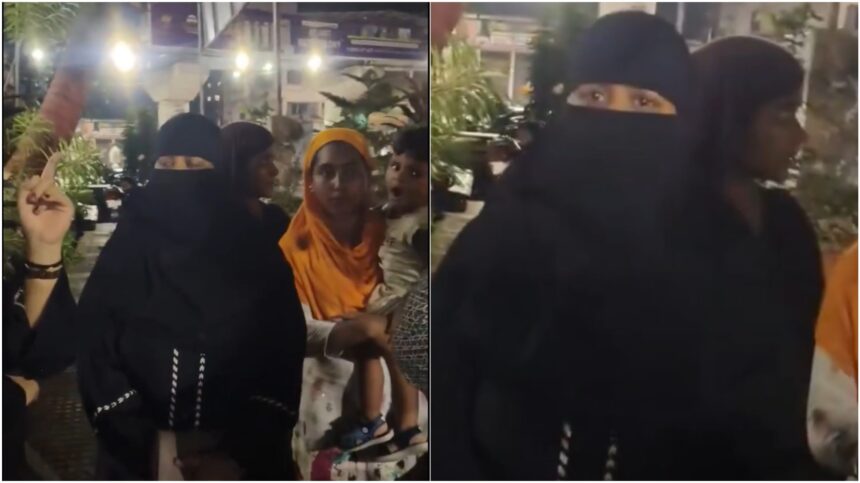
The case gained significant media attention when Rubina Ammar Patel, AIMIM Women’s Youth President, shared a video from insde the local police station, calling attention to the alleged illegal detention. The footage stirred public outrage on social media, prompting demands for transparency and accountability. Activists and political figures, including former MP Waris Pathan, joined forces to advocate for the detainees, pushing back against what many viewed as an unjust system that disproportionately affects Muslim citizens under the BJP-led government’s policies.
Release and Implications
Following widespread protests and heightened scrutiny, authorities eventually verified the validity of the detainees’ documents, leading to their release. The detainees expressed relief, with Patel stating, “Truth has prevailed.” Nevertheless, the incident underscores a growing concern regarding the misuse of state power in citizenship verification processes, leaving many to question the ease with which authorities can arbitrarily detain individuals based on profiling. The implications of such detentions extend beyond personal distress, as they create a chilling effect within disputed communities, fostering a sense of insecurity and exclusion.
Why It Matters
This incident raises critical questions about civil liberties, accountability, and the treatment of Muslim communities in India. The ongoing detention and scrutiny of individuals based solely on their religious or ethnic background signal potential violations of rights and highlight systemic issues. The broader implications of such discrimination reflect a worrying trend within the socio-political landscape of India, where national identity is increasingly scrutinized through the lens of religious affiliation. This case sheds light on the urgent need for safeguards in citizenship verification to prevent misuse by state authorities, thereby ensuring that the rights of all citizens are preserved, irrespective of their community background.
Frequently Asked Questions
What led to the detention of the women and child?
Their detention was based on suspicions that they were Bangladeshi nationals, despite them carrying valid Indian documents such as passports and Aadhaar cards.
Who intervened on behalf of the detainees?
Rubina Ammar Patel, the AIMIM Women’s Youth President, along with other AIMIM leaders like former MP Waris Pathan, intervened through protests and representations to secure their release.
What was the public reaction to the detentions?
Public outrage surged after the video of the detained individuals surfaced on social media, triggering widespread criticism and demands for accountability from authorities.
What did the authorities say about the validity of the documents?
Thane officials initially claimed that the documents might be forged but later confirmed their authenticity, leading to the detainees’ release.