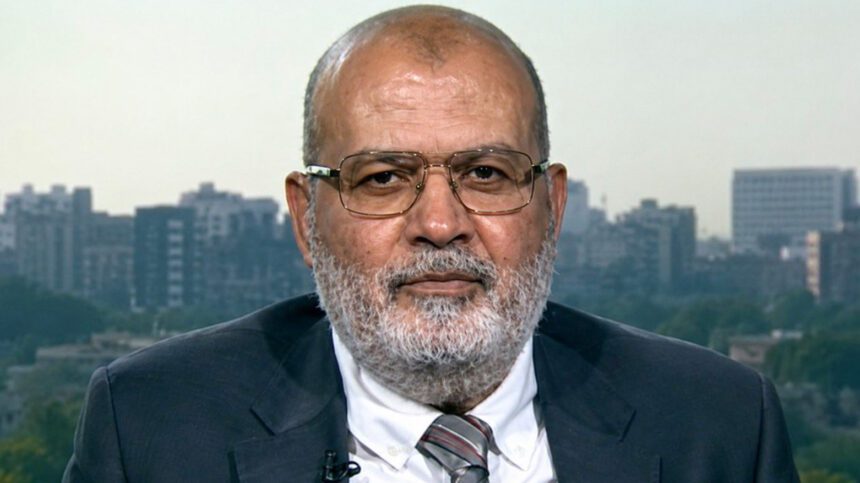

Recent U.S. sanctions against leaders of the Muslim Brotherhood signal a robust commitment to dismantling global financial networks that support terrorism. This action, which includes sanctions on the organization’s key financial players, targets entities operating under the guise of charitable activities but allegedly funneling funds to groups like Hamas.
U.S. Sanctions: A Strategic Move Against Financial Networks
The U.S. Department of the Treasury recently confirmed sanctions on Mahmoud Al-Abyari, a prominent leader of the Muslim Brotherhood, and several associates who are implicated in financial interactions with Hamas. These sanctions aim to cut off significant funding sources that the Brotherhood has leveraged globally. Two organizations in Indonesia and Gaza were particularly noted for masquerading as charitable groups while facilitating monetary support to Hamas’ military operations.
Unraveling a Global Financial Structure
The U.S. action reveals a sophisticated financial structure utilized by the Muslim Brotherhood that operates through multinational channels. This network reportedly enables the organization to manage cross-border fundraising activities and money transfers, often hidden behind charitable fronts. Treasury Secretary Scott Bescent has emphasized that the U.S. will continue its pursuit of those financing terrorism, regardless of how they structure their operations.
The Implications of Targeting Mahmoud Al-Abyari
Mahmoud Al-Abyari, designated as a specially designated global terrorist, plays a pivotal role in managing financial resources for the Muslim Brotherhood in Europe and Africa. The U.S. position to sanction him coincides with its broader strategy to disrupt the financial frameworks that sustain extremist groups. Al-Abyari, who has been involved in managing donations for sanctioned entities, is viewed as a crucial figure in the Brotherhood’s operational continuity. His sanctions not only impact him but also open discussions regarding the movement of funds within such organizations.
Why It Matters
The recent sanctions against the Muslim Brotherhood reflect a significant transition in the U.S. government’s approach toward international terrorist financing. The implications of these actions could extend to broader financial sectors, as banks and other entities will have to navigate stricter compliance regulations to avoid involvement with sanctioned individuals or organizations, potentially reshaping how financial institutions operate. Additionally, this move signals to global partners that financial transactions associated with known terrorist organizations will be scrutinized more diligently, thus reinforcing the U.S.’s commitment to counterterrorism funding measures.
Frequently Asked Questions
What are the key elements of the U.S. sanctions against the Muslim Brotherhood?
The sanctions are directed at Mahmoud Al-Abyari and several organizations in Turkey, Gaza, and Indonesia. They focus on cutting off financial support for Hamas and highlight a multi-layered approach to monitoring and combating terrorist financing.
What did the U.S. Treasury Department’s statement indicate about the Muslim Brotherhood?
It detailed how the Brotherhood utilizes various fronts for fundraising, operating in a concealed manner to transfer money internationally and manage financial networks critical to its survival.
How do these sanctions affect donations to the Muslim Brotherhood?
Donations to sanctioned entities are subject to freezing, and any financial institution that facilitates such transactions could face legal repercussions, highlighting the risks for potential donors.
What is the significance of Mahmoud Al-Abyari in the Muslim Brotherhood?
Al-Abyari is a top leader within the Brotherhood, intricately involved in executing financial strategies. His sanctions could lead to greater scrutiny over the organization’s funding operations.