
Hezbollah has sharply criticized Lebanese President Joseph Aoun’s recent visit to Washington, calling it an ineffective mission that failed to secure vital commitments on national issues. The Iran-backed group accuses the Lebanese government of succumbing to foreign influence while neglecting key aspects, including the need for complete Israeli withdrawal from Lebanese territory.
Hezbollah’s Resounding Critique
Following Aoun’s visit to the White House, Hezbollah lawmakers issued statements expressing disappointment over the lack of U.S. commitment to pressing for the total withdrawal of Israeli forces from Lebanese territory. They argued that the talks did not yield any tangible results, specifically criticizing the failure to stop Israeli military operations in southern Lebanon and to facilitate the return of displaced residents.
The meeting, hosted by former President Donald Trump, included discussions on the full withdrawal of Israel but did not result in concrete commitments from the U.S. regarding additional pressure on Israel. Hezbollah’s statements reflect a longstanding opposition to what they perceive as an erosion of Lebanon’s sovereignty due to foreign interventions.
Political Landscape and Ongoing Tensions
In addition to their critique of Aoun’s Washington visit, Hezbollah reiterated its staunch opposition to direct negotiations with Israel, which began in April. They also oppose a U.S.-brokered framework agreement signed by Lebanon and Israel last month. This agreement stipulates a planned Israeli withdrawal and conditions under which the Lebanese army will deploy in designated areas to disarm Hezbollah.
As part of the agreement, Lebanese Army Commander Rodolphe Haykal visited Zawtar Al-Gharbiya, signaling increased security measures aimed at enabling displaced residents to return. The Prime Minister’s recent act of raising the Lebanese flag in the town was also part of broader efforts to reinforce state authority in the region.
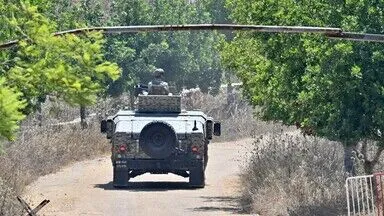
Despite a decrease in cross-border violence following the U.S.-Iran memorandum and the Lebanon-Israel framework agreement, Israeli military operations persist. Reports indicate ongoing military activity, including large explosions near the border village of Al-Tiri and incidents involving gunfire that have resulted in injuries to civilians.
Impacts on Local Communities
The military and political tensions underscore a deeply fragmented and unstable environment in Lebanon. Residents feel the impact of these geopolitical confrontations daily, facing uncertainty about their safety, displacement, and the prospects for reconstruction in war-affected areas. Hezbollah’s firm stance and the Lebanese government’s actions highlight an ongoing struggle for national agency against foreign influence, bringing to light issues of governance that resonate with local populations.
The Lebanese state’s authority in areas affected by Israeli operations remains in question, with Hezbollah positioning itself as a protector of national sovereignty against foreign pressures, primarily from the U.S. and Israel. The complexities of this situation will likely continue to have lasting effects on the socio-political fabric of Lebanon and the daily realities of its citizens.
Why It Matters
The interactions between Lebanon, Israel, and the U.S. have significant implications for regional stability and international relations in the Middle East. The failure of President Aoun to secure commitments from the U.S. can embolden extremist factions and exacerbate tensions in an already volatile region. Moreover, the Lebanese army’s deployment and its implications for groups like Hezbollah introduce new dynamics in power balances, impacting everyday lives and the international community’s engagement in Lebanon.
This situation also sheds light on the complicated relationships between foreign nations and local governments, where the influence of superpowers can overshadow national decision-making processes. As the political landscape continues to shift, the international community must remain vigilant about how these developments affect the broader prospects for peace and conflict resolution in the region.
Frequently Asked Questions
What was the purpose of Joseph Aoun’s visit to Washington?
The visit aimed to discuss the need for a full Israeli withdrawal from Lebanese territory and to seek U.S. support on key national issues.
What are Hezbollah’s main concerns regarding the U.S.-Israel agreement?
Hezbollah is concerned that the agreement could undermine Lebanese sovereignty by facilitating Israeli military presence and failing to secure a complete withdrawal.
How does the current situation affect displaced residents in southern Lebanon?
The ongoing military operations and political uncertainties hinder efforts to facilitate the safe return of displaced residents and reconstruction efforts.
Why is U.S. involvement significant in the Lebanon-Israel context?
The U.S. plays a crucial role in shaping the political landscape in Lebanon and managing tensions between Israel and Hezbollah, influencing broader regional stability.