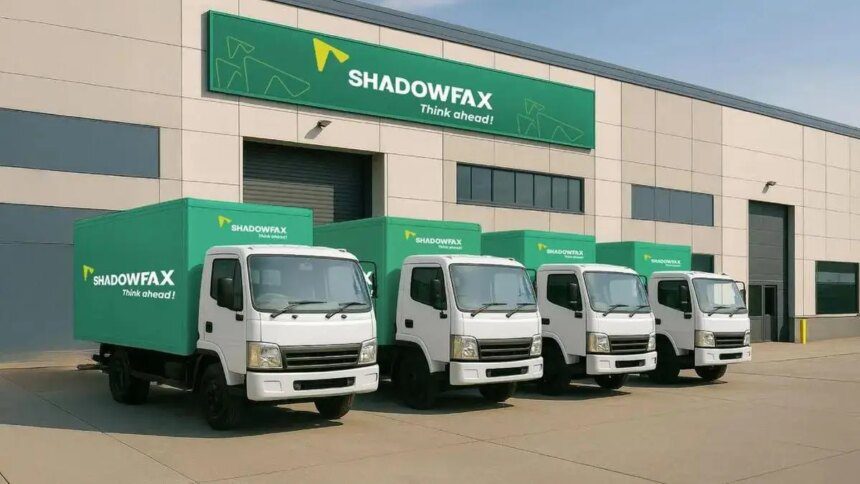

Shadowfax Technologies is on the verge of executing a significant block deal valued at ₹1,047.5 crore (approximately $108 million) on July 23, 2026. Existing investors, including Eight Roads Investments Mauritius II, Flipkart Internet, and IMM India Fund, are poised to divest shares in a strategic secondary market transaction aimed at liquidity and portfolio rebalancing.
Details of the Block Deal
The upcoming block deal involves selling up to 9.08% of Shadowfax’s total outstanding shares. Notably, the transaction is expected to take place at a floor price of ₹197 per share, which translates to a discount of 9.9% compared to the closing price of ₹218.58 recorded on July 23. This discount reflects a strategic exit by existing shareholders who may be looking to reinvest elsewhere or adjust their positions in the fast-evolving digital logistics space.
Role of Financial Institutions
The transaction is being facilitated by major players in the financial services sector, including Kotak Securities and Morgan Stanley India. Their involvement underscores the significance of the deal, as these institutions are known for their expertise in managing such large-scale transactions. The deal’s entirely secondary nature indicates that proceeds from the sale will go directly to the selling shareholders, rather than benefiting Shadowfax itself.
Investors’ Outlook and Market Context
The decision by prominent investors like Flipkart and Eight Roads Investments to offload shares could signal various underlying trends. Given the rapid growth of the e-commerce sector in India, especially accelerated by the COVID-19 pandemic, logistics companies like Shadowfax, which provide crucial supply chain support, have been pivotal to ensuring timely deliveries. However, shifting market dynamics and competition may prompt existing investors to capitalize on their investments at this juncture.
What This Means
The execution of this block deal is a significant event for the Indian business ecosystem. It not only reflects the active engagement of institutional investors in the logistics sector but also highlights the ongoing restructuring of investment portfolios in the face of fluctuating market conditions. For Shadowfax, while this may not directly influence operational cash flows, it does signal confidence from investors in the company’s existing business model and future growth potential. The secondary nature of the deal suggests liquidity is being prioritized, which can often be a sign of cultivating further investor trust in upcoming capital raises or strategic initiatives.
Frequently Asked Questions
What is a block deal?
A block deal is a transaction involving the sale of a large number of shares that are typically executed outside of the open market to facilitate quicker transactions and provide liquidity to the shareholders.
What is the significance of the floor price in a block deal?
The floor price is the minimum price at which the shares are offered in the block deal. It serves as a benchmark to ensure that selling shareholders can achieve an acceptable exit price and reflects a discount to the current market valuation, encouraging buyer interest.
Why are existing investors selling their shares?
Existing investors may sell their shares for various reasons, such as realizing profits, reallocating investments to other opportunities, or adjusting their risk exposure in response to market conditions.
How will this block deal affect Shadowfax’s operations?
As a secondary transaction, the block deal will not directly impact Shadowfax’s operational finances, but it may affect investor sentiment and perceptions around the company’s growth trajectory and market positioning.