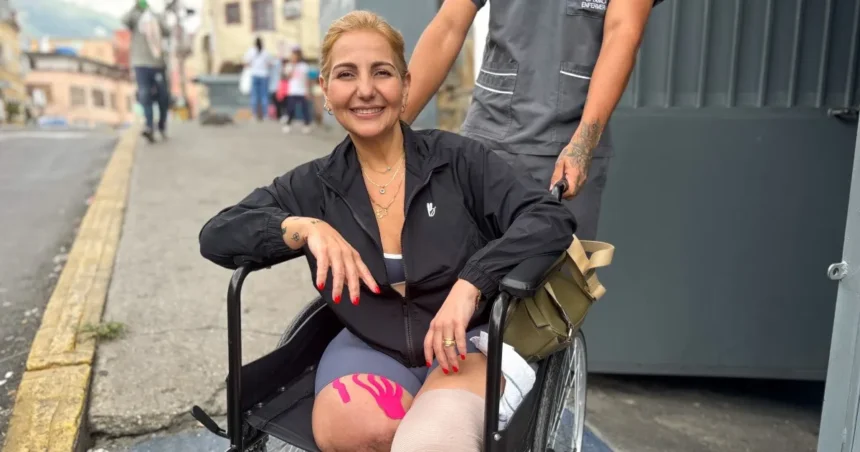

Resilience Amidst Tragedy
Ricardo Contreras, a young Venezuelan man, faces the profound challenges of adjusting to life after losing his parents in devastating earthquakes. Despite his personal losses, he remains optimistic, continuing his education and taking on the responsibility of caring for his younger brother, Andres.
The Impact of Natural Disasters
Natural disasters have a massive toll, often resulting in the loss of life and property. In Venezuela, the recent earthquakes led to the collapse of numerous buildings, claiming many lives, including that of Ricardo’s parents. Reports indicate that survivors often grappling with grief frequently struggle to redefine their lives in the aftermath. Ricardo’s experience is a stark reminder of the psychological and emotional scars left by such calamities.
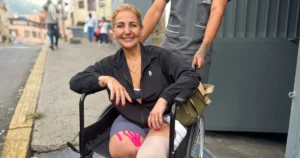
Ricardo lost both his parents when they were trapped in a collapsed building during the earthquakes in La Guaira. The tragedy did not just take his parents but also forced him to transition into adulthood overnight, shouldering responsibilities that far outweigh his years. The aftermath of the earthquake poses an ongoing challenge — rehabilitating both emotionally and physically.
Education and Support Systems
Returning to university has been a significant milestone for Ricardo. He expressed initial anxiety about navigating the campus, particularly with mobility issues due to his injuries. However, the faculty’s willingness to adapt classes to accessible locations demonstrates an essential aspect of inclusive education. Support from classmates has made a challenging situation slightly more bearable.
In India, where education can be a tool for social mobility, Ricardo’s journey resonates with many students facing adverse circumstances. The commitment from his university to provide a full scholarship offers a lifeline, reflecting the importance of educational support in rebuilding lives after crises.
Challenges of Financial Strain
Economic pressures weigh heavily on Ricardo and Andres. Following the earthquakes, the family business has seen a decline, mirroring a broader economic struggle in Venezuela where the private-sector average salary is about $200 a month. Families affected by disasters often face an uphill battle not only emotionally but also financially, as rebuilding efforts require both time and resources.
In India, similar instances can be observed with families impacted by floods, landslides, and other natural disasters. The trend of sustainable recovery, which calls for government aid and community support, is vital in ensuring families can rise once more from the rubble of their pasts.
What This Means
The plight of individuals like Ricardo highlights the critical need for effective disaster management and mental health resources in disaster-prone regions, including India. As climate change increases the frequency of natural disasters, understanding the psychological aftermath and the importance of educational and financial support becomes paramount. Ricardo’s story showcases resilience, illustrating how community efforts and institutional support systems can facilitate recovery and rebuilding lives after devastating events.
Frequently Asked Questions
What are the common emotional impacts of natural disasters?
Survivors often experience grief, anxiety, depression, and post-traumatic stress disorder (PTSD) as they deal with loss and significant life changes.
How can educational institutions support students affected by disasters?
Schools and universities can provide flexibility in course delivery, mental health services, scholarships, and community support to facilitate a conducive learning environment.
What steps can communities take to rebuild after natural disasters?
Communities should focus on establishing support networks, securing government aid, and creating plans for sustainable rebuilding efforts to ensure long-term recovery.
How does financial instability affect disaster recovery?
Financial instability poses a significant barrier; it can hinder immediate recovery efforts and long-term rebuilding, making it crucial for governments to provide financial aid and employment opportunities to affected individuals.