
In a surprising political shift, Serbia’s ruling party led by President Aleksandar Vucic has been ousted in snap parliamentary elections, largely driven by a grassroots student movement. This result has sparked significant celebrations across the nation, marking the end of Vucic’s long-standing dominance in Serbian politics.
The Rise of the Student Movement
The recent elections on Sunday saw an unprecedented turnout of young voters, fueled by nearly two years of activism spearheaded by students. The catalyst for this movement was the tragic collapse of a railway station canopy in Novi Sad in 2024, which took 16 lives. This incident, attributed to corruption and cronyism, ignited public outrage and became a rallying point for protests against the ruling establishment.
Student leaders, such as Mila Martic, articulated a feeling of newfound freedom and hope among the populace. With chants of “Victory, victory!” echoing through the streets of Belgrade, many citizens expressed their desire for a government that is accountable to its people. The movement has been described as one of the most substantial mobilizations since the fall of Slobodan Milosevic in 2000, demonstrating a notable shift in political engagement among younger generations in Serbia.
A Celebratory Atmosphere in Belgrade
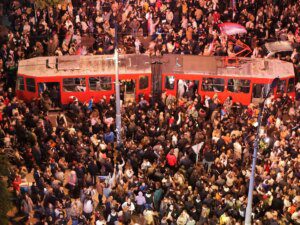
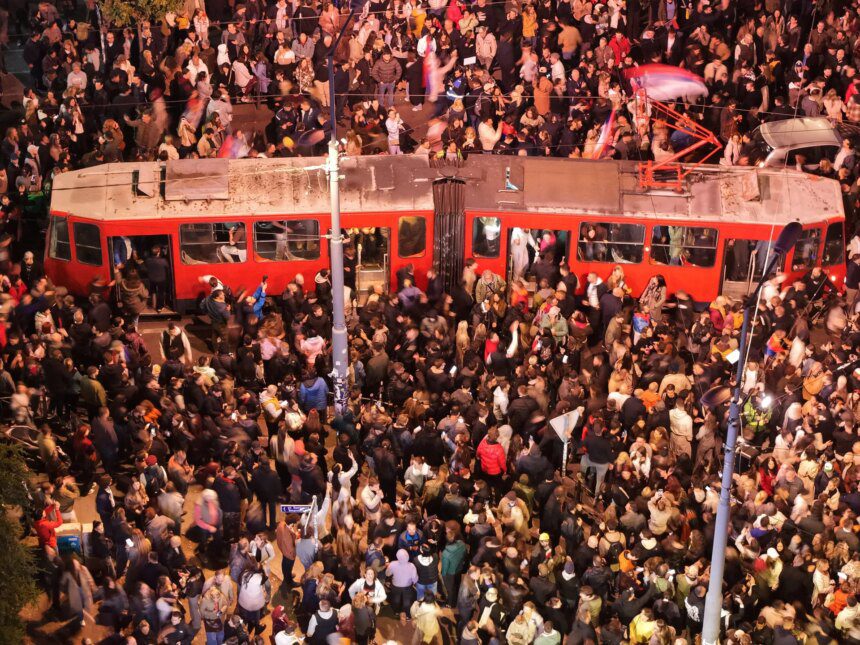
Post-election, Belgrade witnessed jubilant celebrations as supporters of the winning Student List took to the streets adorned with Serbian flags. As fireworks lit up the skies, citizens celebrated in central squares, carefully avoiding any escalation of tensions. Supporters expressed their hope for democratic reforms and called for a government that prioritizes citizen welfare over partisan interests.
One victorious candidate, Radomir Saicic, articulated ambitions for a political future devoid of dictatorship, proclaiming, “Serbia has won as we promised. Never again a tyrant in this country.” His remarks signal a commitment to responsible governance and a focus on addressing the root causes of public discontent, including corruption and lack of transparency.
Challenges Ahead
While the celebrations reflect a significant political victory, the new government faces multifaceted challenges ahead. Dismantling entrenched corruption and rebuilding public trust will be critical to ensuring the longevity of this political change. The atmosphere of expectation must also be tempered with realism, as the remnants of Vucic’s administration may still hold sway in various institutions.
As previous frameworks of power transition, there may be resistance from old political structures. Observers note that similar movements in other countries have often faced backlash or pushback from established elites, which could pose challenges for the new leadership in Serbia as they attempt to navigate post-election scenarios.
What This Means
For Indian readers, Serbia’s political upheaval presents an insightful case study on the power of grassroots activism and student-led movements in bringing about political change. The clear mobilization of young citizens to challenge entrenched power can resonate with similar dynamics observed in India, where youth engagement in politics is on the rise, especially around issues like corruption and governance.
Moreover, this event underlines the significance of democratic processes and public discourse in fostering change. It highlights the vital role that silent or previously apathetic demographics can play when they mobilize for a cause, reminding Indian citizens of the consequences of ensuring their voices are heard in a democratic setting.
Frequently Asked Questions
What triggered the recent protests in Serbia?
The protests were triggered by the tragic collapse of a canopy at a railway station in Novi Sad in 2024, which resulted in 16 fatalities. This disaster raised public concerns over issues of corruption and poor governance.
Who is Aleksandar Vucic?
Aleksandar Vucic has been the President of Serbia and the leader of the ruling party since 2012, and he has maintained significant control over Serbian politics throughout his tenure, which has now been challenged by emerging political forces.
What are the potential challenges for the new government?
The new government will face challenges in addressing ingrained corruption, gaining public trust, and overcoming resistance from entrenched political elites loyal to the former administration.
How does this political change affect Serbia’s international relations?
Changes in government could lead to shifts in foreign policy, particularly regarding Serbia’s aspirations to join the European Union and its balancing act with Russia and other nations. The new leadership’s priorities may redefine these relationships.