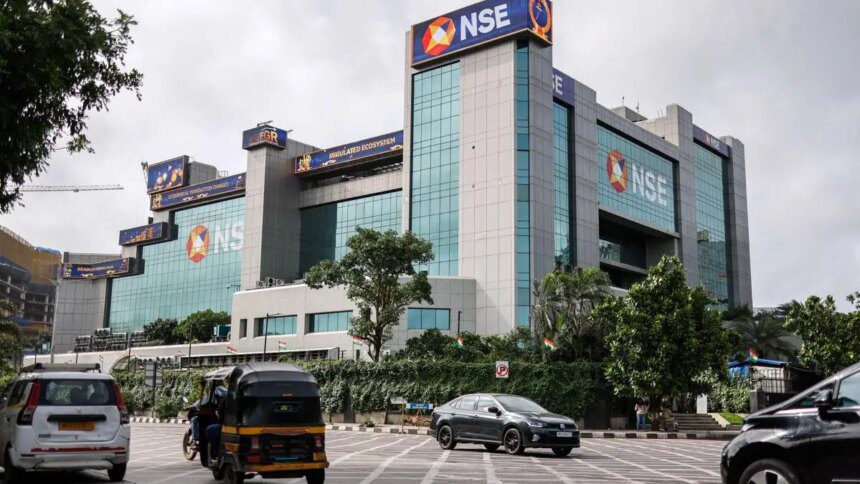

As the Hindu financial year of Samvat 2083 approaches, Indian equities are currently grappling with a bearish sentiment marked by volatility and weak investor confidence. The Nifty index has plummeted approximately 13% during the ongoing Samvat 2082, making it the worst-performing year since 2014, as investors stay cautious amid rising inflation and geopolitical tensions.
Current Market Sentiment
The return of the Samvat season, which typically symbolizes new beginnings for investors, is shadowed by significant uncertainty this year. Experts emphasize that the current market situation is unusual due to the absence of conventional signs that typically indicate a market recovery. Anand James, Chief Market Strategist at Geojit Financial Services, highlighted that the Nifty index is reverting to levels seen back in May 2020, contributing to heightened investor wariness.
In stark contrast to previous years, the current performance of the Nifty, which recorded substantial gains for multiple consecutive years prior to this, has hampered investor sentiment. With Samvat 2080 yielding a return of 24.6% and Samvat 2077 showing a dramatic 40.2% increase, it is notable that investors now face a decline sharper than any experienced since Modi took office. The previous worst-performing Samvat, however, only saw a modest 1.4% dip.
Influencing Factors
Several intertwined factors are influencing market performance. Inflation has emerged as a significant concern, driven primarily by rising crude oil prices, which are inching towards $120 per barrel. This presents risks not just to retail consumers but also to broader economic stability. The unease surrounding geopolitical tensions and cooling market liquidity compounds the situation, leaving investors struggling to find compelling reasons to re-enter the market.
Moreover, small-cap stocks have encountered more severe corrections than major indices, signaling dwindling confidence across the broader market spectrum. Despite this, some heavyweight stocks, particularly in the IT and PSU banking sectors, have managed to prop up the Nifty index somewhat, yet they don’t represent the broader market’s reality.
Looking Ahead to Samvat 2083
As the new Samvat 2083 approaches, analysts urge caution. There are no visible signs of a turnaround, and expectations for a resurgence in risk appetite are muted. James noted that without clear indicators of stabilization, the upcoming financial year could continue to be fraught with volatility despite trading near significant support levels.
Dinshaw Irani, MD & CEO of Helios Capital Asset Management, shared that while market volatility remains a concern, the long-term structural growth story of India is intact. He emphasizes the importance of focusing on companies with sustainable growth potential. Investors are encouraged to remain prudent amid uncertainty, aligning their strategies with the promise of long-term market rewards.
What This Means
For Indian investors, this prolonged bearish sentiment serves as a critical reminder of the unpredictable nature of financial markets. As volatility continues to sting, especially among small-cap stocks, understanding the underlying economic factors contributing to these shifts can guide future investment decisions. With rising inflation and geopolitical issues threatening stability, a cautious approach may be prudent as the new financial year unfolds. Investors should remain informed and vigilant, taking offers in structurally sound companies while also tempering expectations regarding short-term gains.
Frequently Asked Questions
What is the performance of Nifty during Samvat 2082?
The Nifty index has experienced a decline of approximately 13% during the Samvat 2082, marking it the worst year since Prime Minister Modi took office in 2014.
Why are rising crude oil prices a concern for Indian investors?
Rising crude oil prices contribute to inflation, which poses risks not only to consumer spending but also affects the overall economic stability, impacting market performance negatively.
What factors contribute to the current market volatility?
Key factors include rising inflation concerns due to high crude oil prices, geopolitical risks, and signs of slowing liquidity in the markets.
Should investors be concerned about the current bearish trend?
While caution is warranted due to current market conditions, analysts emphasize that India’s long-term structural growth story remains intact, urging investors to focus on sustainable growth potential rather than short-term volatility.