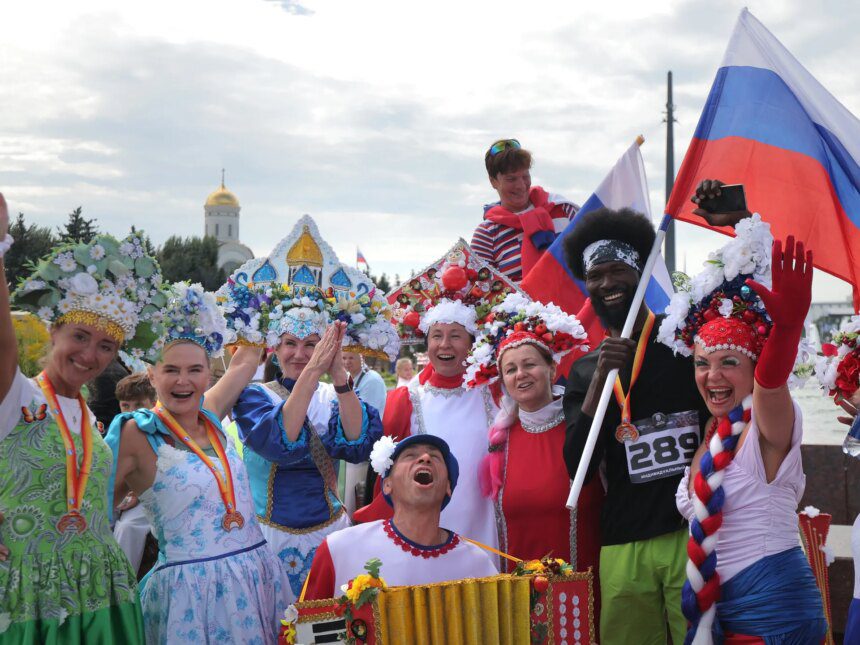

Russia recently observed National Flag Day with state-sanctioned events aimed at reinforcing patriotic sentiments amid the ongoing conflict in Ukraine and rising tensions with Western nations. The celebration, especially visible in cities like St Petersburg, serves both as a reminder of national pride and as a tool for the Kremlin to consolidate public support.
National Flag Day: A Symbol of Unity
National Flag Day, which originated in the 1990s following the dissolution of the Soviet Union, commemorates the adoption of the Russian tricolor flag that replaced the socialist hammer-and-sickle. This year’s ceremonies included participants in St Petersburg gathering under a spectacular display of the flag’s white, blue, and red colors. Volunteers were seen distributing symbolic ribbons, while local choirs performed patriotic songs that emphasize themes of unity and resilience.
Patriotism as Political Messaging
Since the onset of the Ukraine conflict in 2022, the Russian flag has played a pivotal role in pro-government gatherings, school curriculums, and military commemorations. These observances are designed to create a narrative of national strength and historical mission, reinforcing the government’s stance against Western sanctions. Analysts suggest that such displays of patriotism aim to enhance public morale, appealing to citizens amidst growing economic challenges and military setbacks.
Rallying Domestic Support Amidst Conflict
The Kremlin’s extensive utilization of national symbols during events like National Flag Day is a strategic move to bolster domestic support. With independent voices largely marginalized, the government’s narrative surrounding the flag seeks to unify citizens under a collective identity, portraying patriotism as indispensable to national security. This approach serves as a counter-narrative to any dissent or dissatisfaction stemming from ongoing hostilities and their economic repercussions.
What This Means
For Indian readers, Russia’s actions reflect a broader trend seen in many nations where government narratives lean heavily on patriotism, particularly during conflicts. The utilization of national symbols as a unifying force can lead to stronger public support, even when there are underlying issues affecting daily life. Understanding these dynamics is crucial, as they may offer insights into how other nations, including India, manage national identity during periods of geopolitical tension.
Frequently Asked Questions
What is the significance of National Flag Day in Russia?
National Flag Day is significant as it commemorates the adoption of the Russian tricolor, symbolizing a shift from the Soviet-era emblem to a national symbol that embodies contemporary Russian identity and values.
How has the flag’s meaning changed since the Ukraine conflict?
Since the invasion of Ukraine in 2022, the flag has become a prominent symbol of national pride and resistance, used by the Kremlin to rally support and promote a narrative of resilience against Western antagonism.
Why is patriotism emphasized in Russia’s political landscape?
Patriotism is emphasized in Russia’s political discourse as a means to create unity among citizens, distract from economic difficulties, and consolidate support for government actions, particularly amidst international conflicts.
What can other countries learn from Russia’s use of national symbols?
Other countries can observe how the strategic use of national symbols can effectively mobilize public sentiment and create a sense of belonging, especially during crises. These tactics may serve as both unifying forces and political tools, depending on the context.