Summary
Residents in eastern Indonesia are grappling with the aftermath of a devastating magnitude 7.7 earthquake, which has resulted in at least 68 fatalities and over 200 injuries. As thousands seek shelter outdoors and authorities mobilize aid, the region is also experiencing a series of aftershocks, complicating rescue efforts.
Current Situation and Impact
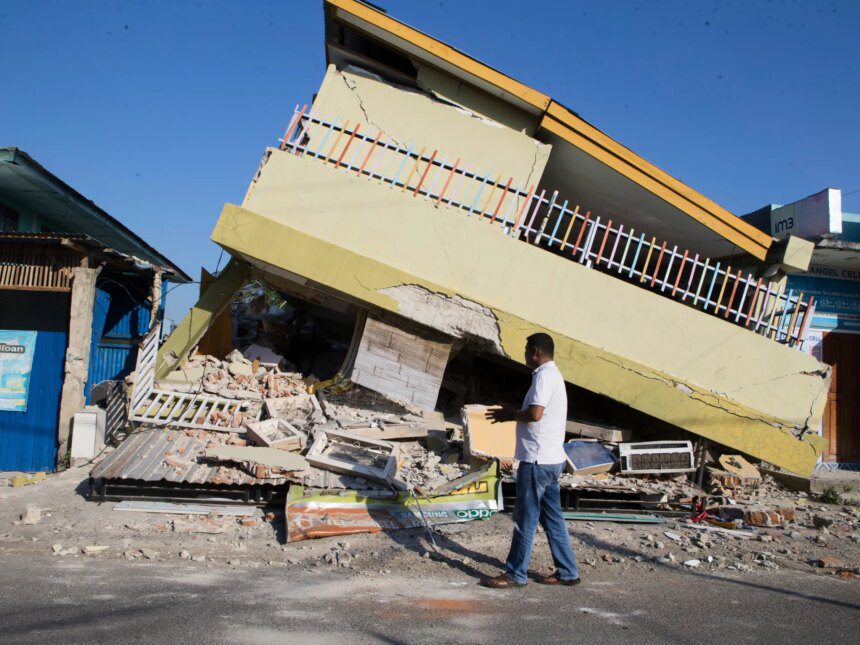
The earthquake struck on Saturday, causing extensive damage to villages in East Nusa Tenggara province. As the death toll was officially increased from 54 to 68, Berton SP Panjaitan from Indonesia’s National Disaster Management Agency (BNPB) provided updated figures, noting that more than 200 individuals were injured amidst this disaster.
Local villagers are anxiously awaiting aid, as rescuers continue to search through the rubble of collapsed buildings where many may be trapped. The urgent need for assistance has garnered international attention. Thousands who had to evacuate are currently sheltered in makeshift tents, afraid to return home due to the ongoing risk of aftershocks, a concern that has been validated by reports indicating nearly 1,600 aftershocks in the region.
Challenges in Rescue Operations
Rescue operations are further complicated by the earthquakes triggering landslides and obstructing roads, particularly in the districts of Sikka and Manggarai. The geophysics agency in Indonesia also reported a lesser magnitude tremor of 5.6 on Monday morning, which added to the residents’ fears.
Authorities are preparing aircraft to deliver crucial supplies, including food and tents, to those affected. The BNPB reported that around 500 homes have sustained damage, leaving many families in a precarious situation, uncertain about their immediate future as relief efforts ramp up.
Historical Context of Natural Disasters in Indonesia
Indonesia is situated on the Pacific Ring of Fire, making it prone to seismic activities, including earthquakes and volcanic eruptions. This recent calamity marks the deadliest earthquake since a similar event in West Java in 2022, which claimed hundreds of lives. The repeated occurrences of such disasters highlight the urgent need for improved disaster preparedness and management, resonating with the experiences of other earthquake-prone regions, including parts of India.
In India, areas like Gujarat and Uttarakhand have witnessed devastating earthquakes in the past. The lessons learned from these incidents could provide valuable insight for Indonesia as it navigates the current crisis and works towards enhanced disaster resilience for its communities.
What This Means
The situation in Indonesia underscores the ongoing vulnerabilities faced by countries situated on tectonic boundaries, including India. With the likelihood of aftershocks continuing and a rising death toll, it becomes imperative for both countries to invest in disaster preparedness initiatives. Increased collaboration between nations dealing with similar challenges could facilitate more effective responses to natural disasters.
Moreover, as news of the Indonesian earthquake circulates, Indian authorities and citizens may reflect on their own preparedness and response strategies for potential seismic events. Establishing stronger frameworks for community education and efficient evacuation procedures could mitigate the impact of such disasters in India.
Frequently Asked Questions
What caused the 7.7 magnitude earthquake in Indonesia?
The earthquake was caused by tectonic activity typical in regions like Indonesia, which is part of the Pacific Ring of Fire. This area is known for its seismic instability, frequently experiencing earthquakes and volcanic eruptions.
How many people have been affected by the earthquake?
The earthquake has reportedly claimed at least 68 lives, with over 200 people injured. Thousands more were evacuated and are currently living in temporary shelters.
What kind of aid is being provided to the victims?
Authorities in Indonesia are mobilizing aid, including food and tents. Aircraft are being prepared for delivery to ensure that those affected by the disaster receive necessary supplies promptly.
Why should India pay attention to the Indonesian earthquake?
Being in a similarly earthquake-prone region, India can borrow lessons from Indonesia’s disaster response strategies. The ongoing situation in Indonesia serves as a reminder for Indian authorities to evaluate and enhance their disaster preparedness frameworks.