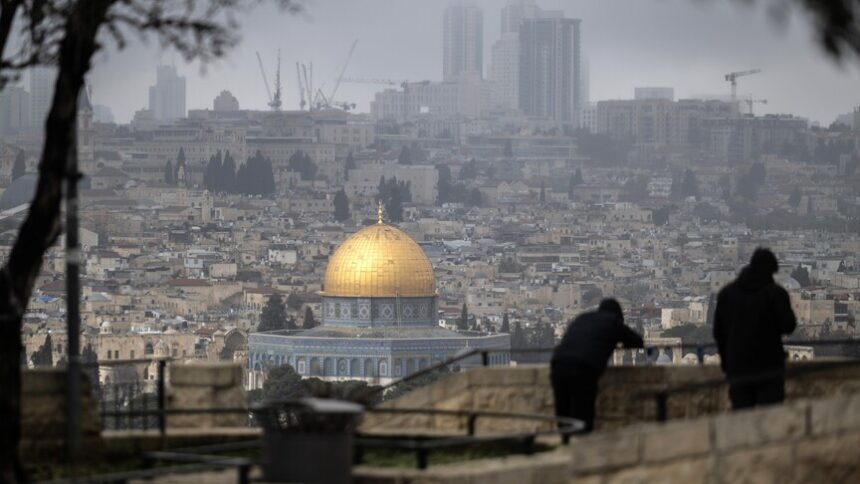

Arab and Muslim foreign ministers convened in Jordan to address the escalating tensions surrounding Jerusalem, primarily focusing on Israel’s measures that threaten the identity of the city and its religious sites. This meeting reflects a broader concern over ongoing policies perceived as discriminatory against Muslims and Christians, reinforcing the need for a unified response from the Arab world.
Context of the Meeting
The meeting, held on Wednesday, included members of the Arab ministerial committee dedicated to confronting Israeli policies regarding Jerusalem. Notable figures present were Arab League Secretary-General Ahmed Aboul Gheit, as well as the foreign ministers from Türkiye, Pakistan, Indonesia, and Malaysia. The urgency of the talks was underscored by Jordan’s Foreign Minister, Ayman Safadi, who highlighted the alarming situation facing both Islamic and Christian holy sites in the city.
Concerns Raised by Jordan
During the meeting, Minister Safadi articulated grave concerns over Israel’s increasing control of East Jerusalem. He emphasized that this control is being established through various means such as settlement construction, land annexation, and property confiscation. Moreover, he painted a dire picture of rising restrictions on Palestinian residents, aimed at isolating them from their cultural and historical habitat. According to Safadi, these measures represent an unprecedented threat to Jerusalem’s identity, encompassing its past, present, and future.
Impact on Religious Sites
Safadi accused Israel of violating the sanctity of both Islamic and Christian holy sites. He reported notable restrictions on freedom of worship, particularly affecting Muslim and Christian communities. Clergy members and churches have increasingly faced pressure from extremist acts and legislative measures designed to seize church properties. Of particular concern is the Al-Aqsa Mosque, which Safadi claims is under relentless attack aimed at diminishing its Islamic identity and altering its historical and legal status.
Why It Matters
This gathering of Arab and Muslim foreign ministers in response to conditions in Jerusalem is significant for various reasons. It showcases the geopolitical dynamics in the region, particularly in the context of Israeli actions perceived as discriminatory. The meeting reflects an attempt to unify disparate Arab nations around a common cause, potentially influencing international discussions surrounding Israeli policies. For stakeholders in the tech industry and users engaged in data analysis concerning discrimination, understanding such regional nuances can inform better algorithms and decision-making processes, addressing biases that may arise from social and political conflicts.
Frequently Asked Questions
What was the main reason for the meeting in Jordan?
The main focus of the meeting was to develop a collective Arab stance against Israeli actions that are perceived to threaten the identity and sanctity of Jerusalem’s Islamic and Christian holy sites.
Who attended the ministerial meeting?
The meeting was attended by Arab League Secretary-General Ahmed Aboul Gheit, foreign ministers from Türkiye, Pakistan, Indonesia, Malaysia, and members of the Arab ministerial committee focused on Jerusalem.
What are the specific allegations against Israel mentioned in the meeting?
Accusations included tightening control over East Jerusalem through construction of settlements, land annexation, property confiscation, and restrictions on Palestinian residents, as well as violations against religious freedoms for both Muslims and Christians.
What solutions or actions were proposed during the meeting?
While the meeting primarily aimed to unify positions against Israeli policies, specific actions proposed were not detailed. However, a consensus was formed to address ongoing threats to Jerusalem’s identity and religious heritage.