
Strengthening National Identity in Tripura’s Schools
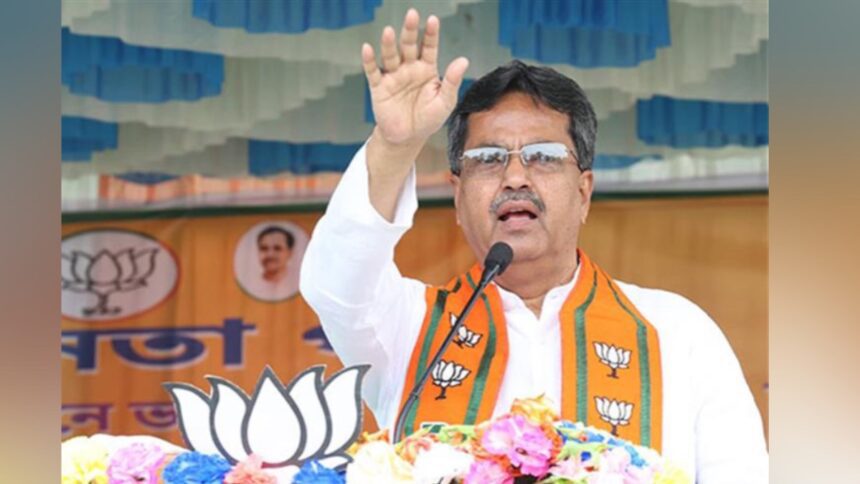
In a move aimed at reinforcing national integration and patriotism, Tripura Chief Minister Dr. Manik Saha announced on July 7 that singing the complete version of the national song ‘Vande Mataram’ alongside the national anthem ‘Jana-Gana-Mana’ will become mandatory in all schools across the state. This policy, part of a broader initiative to instill respect for national symbols, follows guidelines from the Ministry of Home Affairs.
Implementation Across Educational Institutions
The directive will be uniformly enforced across all types of educational institutions in Tripura. This includes government schools, government-aided schools, privately managed institutions, and recognized Madrassas, whether aided or unaided. The School Education department is charged with ensuring compliance with these regulations, which are set to begin with the daily academic routine by singing ‘Vande Mataram’ followed by ‘Jana-Gana-Mana’.
Dr. Saha emphasized that this initiative is designed to cultivate an understanding of national pride amongst the youth. The introduction of these measures aligns with a broader goal of instilling patriotism in formal educational settings. The Council of Ministers in Tripura took this decision on June 25, highlighting a unified approach to embedding cultural heritage in educational practices.
Cultural Context and Concerns
While the intention behind this mandate appears to be focused on promoting a unified national identity, it raises concerns about inclusivity, particularly for marginalized communities in Tripura, such as Indian Muslims. Observers note that the focus on nationalistic songs could exclude those who may not share the same cultural or religious sentiments. The demands for cultural assimilation may inadvertently foster feelings of alienation among minority groups, leading to social exclusion.
The imposition of patriotic songs in the educational curriculum is part of a larger trend under Sangh Parivar and Bharatiya Janata Party (BJP) governance, where cultural nationalism is often prioritized. Critics argue this could further marginalize voices within the educational ecosystem that do not align with a singular national narrative. The potential backlash may escalate social tension, complicating efforts towards fostering an inclusive society.
Why It Matters
The enforcement of nationalistic songs in schools raises significant questions regarding social cohesion and diversity in India, particularly in states like Tripura where communal tensions exist. For educational policymakers and developers, understanding the implications of such educational mandates is crucial. These policies could influence how curricula are designed and the degree to which they promote or inhibit social inclusion.
In technology and education, the implications are equally relevant. Developers could potentially create platforms or tools that explore multicultural education, promoting activities that respect diverse backgrounds while meeting governmental policies. Emphasizing dialogues around national pride through inclusive approaches may aid in bridging gaps between varying cultural viewpoints.
Frequently Asked Questions
What is the new mandate in Tripura regarding national songs in schools?
The Tripura Chief Minister announced that singing the full version of ‘Vande Mataram’ and the national anthem ‘Jana-Gana-Mana’ will be mandatory in all schools in the state as part of a move to promote patriotism and national integration.
When will this mandate take effect?
The directive is set to be implemented in the daily academic routines of schools following its announcement on July 7, 2023, with initial compliance expected immediately thereafter.
Why is this mandate controversial?
The initiative may alienate certain communities, particularly Indian Muslims, leading to concerns about social exclusion and lack of representation in educational practices. Critics argue that it promotes a singular narrative at the expense of diversity.
How does this reflect on the broader national policies under the BJP government?
This decision aligns with the BJP and Sangh Parivar’s broader focus on cultural nationalism, where educational content is increasingly framed within a nationalistic context, raising concerns about inclusivity and social equity.