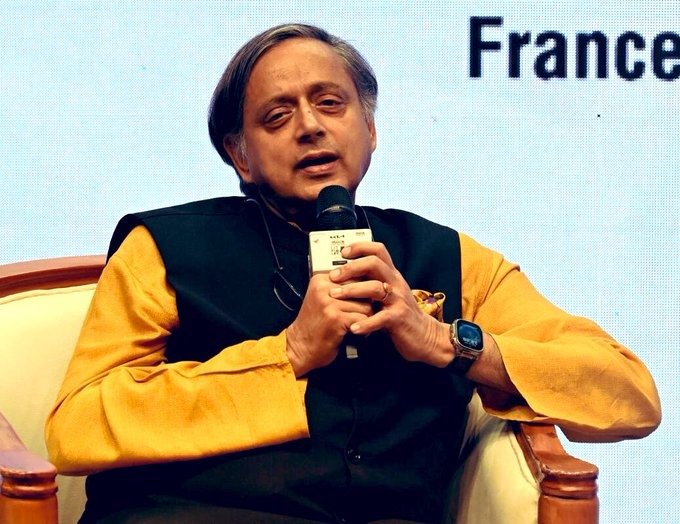

Shashi Tharoor, a veteran Congress leader, has highlighted the troubling trend of discrimination against Muslims in India, coalescing around a recent incident involving a Muslim leader from the Bharatiya Janata Party (BJP). His remarks point to a broader societal issue, where such acts of exclusion signal a significant moral decline within the nation’s social fabric.
Context of Discrimination in Modern India
Tharoor’s concerns surged after Sajjad Yusuf Shah, whom the BJP named as Jammu and Kashmir’s media co-in-charge, reported an incident where he was allegedly denied accommodation at a hotel in Aurangabad. This occurrence was not merely an isolated incident, as Tharoor emphasized, but a reflection of a growing trend of identity-based discrimination against Muslims in India. Shah claimed he was forced to leave the hotel due to his religious and ethnic background, which ignited Tharoor’s warning regarding the moral decay thread blooming within society.
The Ethical Implications of Exclusion
Tharoor asserted that a nation’s greatness cannot solely be gauged by metrics like GDP or infrastructural advancements. He stressed that true civilization reflects how it treats its most vulnerable citizens, specifically its minorities. “A great civilization is not measured only by GDP growth, highways, or defense systems,” he stated. His arguments highlight that social harmony deteriorates when segments of the population experience exclusion and fear. He proposed that, “No society can function peacefully when a section of citizens feels they have no stake in the country or social order.”
The Congress MP called for a serious reconsideration from the ruling BJP on how even its members are subjected to prejudice due to their identity. He warned that normalized discrimination could extend beyond political divides and target individuals based on their identity, consolidating a dangerous societal trend where such bias becomes institutionalized and pervasive.
The Return of Inclusiveness in Indian Culture
Recalling India’s diverse cultural heritage, Tharoor referenced values such as Atithi Devo Bhava (the guest is divine) that have long characterized Indian hospitality and inclusiveness. He urged a revival of these principles to create an environment where every citizen, regardless of their religion or ethnicity, feels secure and welcomed within their own country. He remarked on the hotel incident as emblematic of deeper societal issues where Muslims face widespread discrimination across various sectors, from housing to employment and public interactions.
Tharoor testifies to the significant contributions of Muslim citizens to India’s heritage and progress, highlighting figures such as A. P. J. Abdul Kalam and Ustad Bismillah Khan. He warns that fostering exclusion, particularly among future generations, undermines the nation’s collective identity and invites moral decay into its fabric. Expressions of alienation, he argues, can jeopardize the harmony and dignity that contribute to shared citizenship.
Why It Matters
The phenomenon of discrimination and exclusion in India not only tarnishes the nation’s democratic foundations but also raises urgent concerns about social cohesion and stability. From a global perspective, these incidents illustrate the challenges democracies face in maintaining harmonious relationships among diverse populations. They serve as important case studies for efforts in social equality and the protection of minorities in various societies worldwide, emphasizing the need for vigilance against the normalization of biases that can escalate into systemic injustice.
Frequently Asked Questions
What incident prompted Shashi Tharoor’s remarks?
Shashi Tharoor’s comments were in response to a claim made by Sajjad Yusuf Shah, a Muslim leader from the BJP, who alleged he was denied accommodation at a hotel in Aurangabad due to his religious and ethnic background.
How does Tharoor view the treatment of minorities in India?
Tharoor believes that a society’s true greatness is reflected in how it treats its weakest members, particularly minorities, and argues that ongoing discrimination can lead to societal destabilization.
What cultural values does Tharoor highlight as essential in India?
Tharoor emphasizes cultural values like Atithi Devo Bhava (the guest is like God) and the Ganga-Jamuni culture, which signify India’s long-standing tradition of inclusivity and hospitality towards all people.
What implications does societal exclusion have for future generations in India?
Tharoor warns that societal exclusion may foster feelings of alienation among future generations, damaging the nation’s social fabric and undermining the dignity associated with shared citizenship.