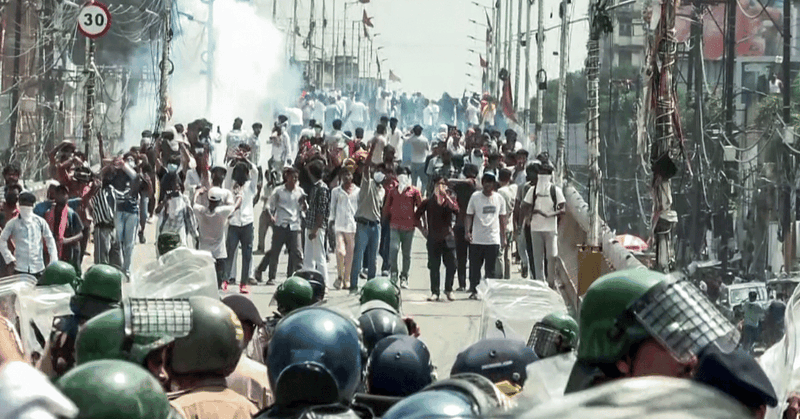

Protests across several Indian states have drawn attention to troubling practices surrounding arrests, including the use of blank arrest memos in Bihar and the alleged inclusion of a Bhima Koregaon accused’s name in FIRs in Mumbai. While the Supreme Court has granted temporary relief to some protesters, concerns about the ongoing legal ramifications and police intimidation continue to loom.
Recent Protests: A Snapshot
Recent demonstrations in states like Bihar, West Bengal, and Maharashtra have been marked by allegations of arbitrary arrests and police violence. In Bihar, protesters have reported being coerced into signing blank arrest memos, raising serious concerns about abuse of legal authority. Meanwhile, in Mumbai, individuals participating in the protests were shocked to find their legal documents naming an accused related to the controversial Bhima Koregaon case, further complicating their legal standing. Protesters in Kolkata faced a unique situation where they were arrested while attempting to file complaints against local BJP leaders who allegedly harassed them post-demonstration.
Legal Response and Continuing Anxiety
The Supreme Court has recently intervened, placing a temporary bar on coercive actions against these protesters. Many who were detained have since been released, but the lingering anxiety about potential FIRs and ongoing intimidation has left them in a precarious situation. Despite being freed, the protesters continue to feel the threat of future legal repercussions, particularly as they recount incidents of lathi charges and police harassment. The situation underscores a worrying trend: the use of law enforcement as a method of suppressing dissent.
Historical Context of Dissent in India
The current climate of intimidation against protesters is not an isolated incident. Historically, movements advocating for justice and social change in India have faced significant pushback from authorities. The Bhima Koregaon case serves as a chilling reminder of the lengths to which state machinery can go in countering dissenting voices. By including the names of alleged political dissidents in legal documents and employing aggressive tactics, law enforcement agencies are allegedly silencing opposition and stifling democratic expression. This trend poses fundamental questions about the erosion of civil liberties in India.
Why This Matters
The ongoing situation surrounding the protests is crucial for understanding the dynamics of civil rights and political expression in India. As the state apparatus increasingly engages in practices meant to deter dissent, citizens must remain vigilant about safeguarding their rights. The implications extend beyond the immediate protests and threaten the democratic fabric of the nation. With an electoral season approaching, such incidents can influence public sentiment and voter behavior, fueling debates about governance, freedom of expression, and human rights.
Frequently Asked Questions
What are blank arrest memos, and why are they concerning?
Blank arrest memos are legal documents that police can use to formally record the arrest of an individual. When individuals are forced to sign blank memos, it raises concerns about accountability and legal protections, as it allows for potential misuse and arbitrary detention without proper documentation.
What did the Supreme Court rule regarding the protesters?
The Supreme Court has issued a temporary order barring coercive actions against the protesters, allowing some individuals to be released. However, the court’s intervention does not eliminate the legal troubles that may still arise from FIRs pending against them.
How have local BJP leaders been involved in this situation?
Protesters have reported harassment from local BJP leaders following their participation in marches against government policies. Some individuals who attempted to file complaints regarding this harassment have faced arrests, suggesting a troubling dynamic between political power and law enforcement.
What does this mean for social movements in India?
This situation indicates a challenging environment for social movements in India. The tactics employed by authorities suggest an increasing willingness to suppress dissent, which could deter individuals from participating in future protests or activism out of fear of retaliation.