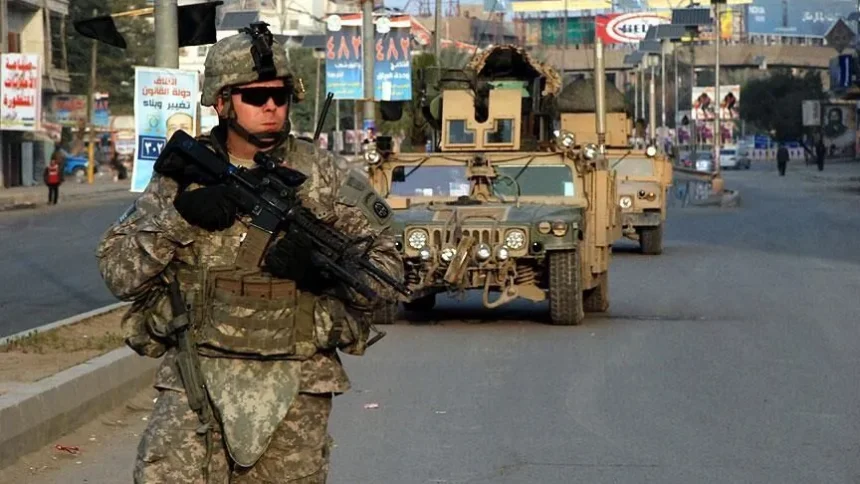

US-Led Coalition Forces Set to Withdraw from Iraq’s Kurdistan Region
US-led coalition forces are poised to withdraw from military sites in Iraq’s Kurdistan region, with a deadline set for September 30. This transition, confirmed by the Iraqi government, signifies a shift from a combat-oriented mission to a more cooperative bilateral security arrangement.
Details of the Withdrawal Plan
According to government spokesperson Haider Al Aboudi, the preparations for the withdrawal are proceeding in an orderly fashion. This initiative aligns with a broader agreement between Baghdad and Washington that includes a complete military withdrawal by 2024. The coalition facilities currently used for various military operations, including training and logistics against remnants of Daesh, are expected to be handed over to Iraqi security forces.
Prime Minister Ali Al Zaidi has communicated to European diplomats that practical measures are being implemented to adhere to the withdrawal deadline, although US officials have not publicly verified this information at the time of reporting.
Implications for Iraqi Security and Sovereignty
Experts like Hannan Hussain from the policy think tank Initiate Futures suggest that the departure of US forces may bolster Iraq’s control over armed groups and national security. He notes that the increasing security threats faced by US troops in Iraq have made their presence increasingly untenable. Furthermore, Hussain argues that retaining foreign troops has provided Iran-aligned militias with justification for attacking the government and undermining its authority.
Removing these forces could potentially lessen tensions between Baghdad and Iran-backed factions, fostering a more stable security environment within Iraqi borders.
Transitioning to Bilateral Cooperation
The planned withdrawal reflects Iraq’s aspirations to enhance its sovereignty in security matters while still maintaining relationships with international partners through bilateral agreements. As coalition forces step back, there is an emphasis on reinforcing Iraqi security agencies’ capacities to respond to threats autonomously.
This shift may redefine the dynamics of international cooperation in the region, with Iraq seeking a balanced approach to security that does not rely heavily on foreign military presence. However, it also raises questions about the capacity of local forces to manage security challenges, especially in areas still vulnerable to extremist ideologies.
Why It Matters
This withdrawal and the accompanying shift in Iraq’s security dynamics are critical not just for the region but also for international observers interested in Middle Eastern geopolitics. An independent Iraqi security framework could reshape alliances and influence regional stability more broadly. The US withdrawal may also encourage other nations to reconsider their military involvements abroad, weighing the implications of local sovereignty against international security commitments.
Frequently Asked Questions
What is the timeline for the US forces’ withdrawal from Iraq?
The US-led coalition forces plan to withdraw from military sites in Iraq’s Kurdistan region by September 30, with a complete withdrawal deadline established by 2024.
What has prompted the withdrawal of coalition forces?
The withdrawal follows increasing security threats faced by US troops and a growing consensus in Iraq to reinforce state control over security matters, reducing reliance on foreign military presence.
How will Iraqi authorities manage security after the withdrawal?
Iraqi security agencies are expected to take over control of the military sites currently used by coalition forces, aiming to enhance their capacity for handling security operations independently.
What are the broader implications of this withdrawal for Iraq?
The withdrawal could lessen tensions between the Iraqi government and Iran-aligned militias, thereby fostering a more stable security environment and reinforcing Iraq’s sovereignty in managing its own security affairs.