
The increasing anti-Muslim sentiment in India, especially since the Bharatiya Janata Party (BJP) assumed power in West Bengal, has led to a climate of fear and discrimination for the Muslim community. Local sentiments highlight concerns about recent electoral manipulations and governmental rhetoric that actively marginalizes Muslims and Rohingyas, revealing deeply rooted social and economic implications.
Escalating Discrimination Against Muslims
Mohammed Rizwan, a 21-year-old engineering student from West Bengal, expressed his frustration: “I cannot even post on social media now.” His concerns mirror those of many in the state, particularly after the arrest of a prominent local Muslim for simply protesting on social media. Following the BJP’s contentious victory in the state elections on May 4, the situation for Muslims has grown more dire, with many feeling increasingly marginalized and silenced.
Dr. Z. Ayesha, a social activist based in Kolkata, noted the palpable fear among the Muslim community post-election, stemming from a history of unrest towards minorities under BJP rule. According to her, numerous incidents targeting Muslims have occurred since the election results were announced, echoing Rizwan’s sentiment of dread about the repercussions of speaking out.
Political Gains Through Manipulation
The BJP’s recent electoral victory was not without controversy, with numerous allegations of electoral manipulation during a special intensive revision (SIR) of voting rolls. Reports indicate that more than 9 million names were flagged or removed, raising suspicions among the Muslim population about the legitimacy of the election results. Critics claim that this has intentionally marginalized Muslim voters, effectively allowing the BJP to consolidate its power.
Furthermore, the BJP’s rhetoric during the campaign included derogatory references to Muslims, labeling them as “vermin” and “pests.” Newly elected Chief Minister Suvendu Adhikari’s remarks about prioritizing Hindus resonate deeply within a community already on edge. Such inflammatory language serves to alienate Muslims and exacerbate their fears of social exclusion and marginalization.
Implications on Regional and International Relations
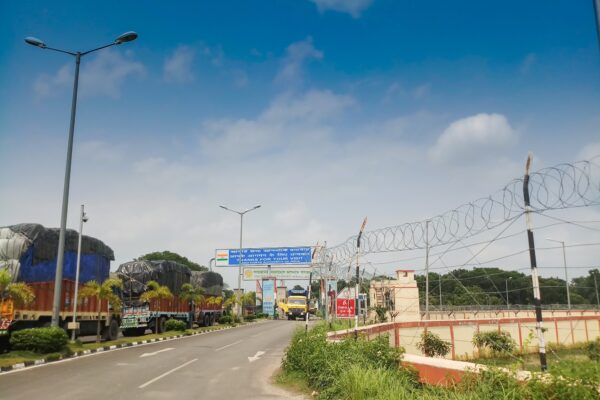
The state of West Bengal shares a significant border with Bangladesh, making its political dynamics crucial not only for India but also for its neighbors. In the wake of increasing tensions post-election, incidents of alleged forced migrations from India into Bangladesh have been reported, prompting backlash from Bangladeshi officials. This geopolitical strain represents broader implications for regional stability, as noted by Snigdhendu Bhattacharya, a Kolkata-based journalist, who emphasized the rising tensions at the border.
Bangladesh’s foreign affairs adviser has publicly rejected pop-policies that aim to push people back into their country of origin. “The people of Bangladesh are not afraid of barbed wire,” said Humayun Kabir, indicating a strong stance against India’s border policies under BJP’s governance. As regional dynamics shift, the sustained antagonism toward minority groups in India, particularly Muslims, faces scrutiny and could lead to diplomatic tensions.
Why It Matters
The ongoing discrimination and marginalization of Muslims in India under the BJP’s rule have significant ramifications both domestically and internationally. For policymakers and NGOs, understanding the socio-political climate in India is vital for addressing human rights concerns and promoting social justice. These issues influence bilateral relations in South Asia, especially with Bangladesh, as well as how international entities perceive India’s democratic integrity. Additionally, any escalation could impact the stability of the region, affecting foreign aid, investments, and diplomatic negotiations, particularly surrounding sensitive topics like water-sharing treaties and border management.
Frequently Asked Questions
What are the main concerns of Muslims in India today?
Muslims in India face increased discrimination, marginalization, and social exclusion, especially following the BJP’s recent electoral victories. Many express fears about their safety, freedom of expression, and political representation.
How has the BJP’s rhetoric affected minority communities?
The BJP’s inflammatory rhetoric labeling Muslims as “vermin” and “pests” has heightened fears among minority communities, fostering an atmosphere of exclusion and suspicion that threatens social cohesion.
What impact does the political situation in West Bengal have on India-Bangladesh relations?
The political climate in West Bengal, characterized by increased anti-Muslim sentiment, has strained relations with Bangladesh, raising concerns over cross-border migrations and escalating tensions along the shared border.
How does international perspective shape actions taken by Indian authorities?
International watchdogs and human rights organizations are increasingly calling attention to India’s treatment of Muslims and Rohingyas, influencing how Indian authorities respond to domestic policies and potential international scrutiny.