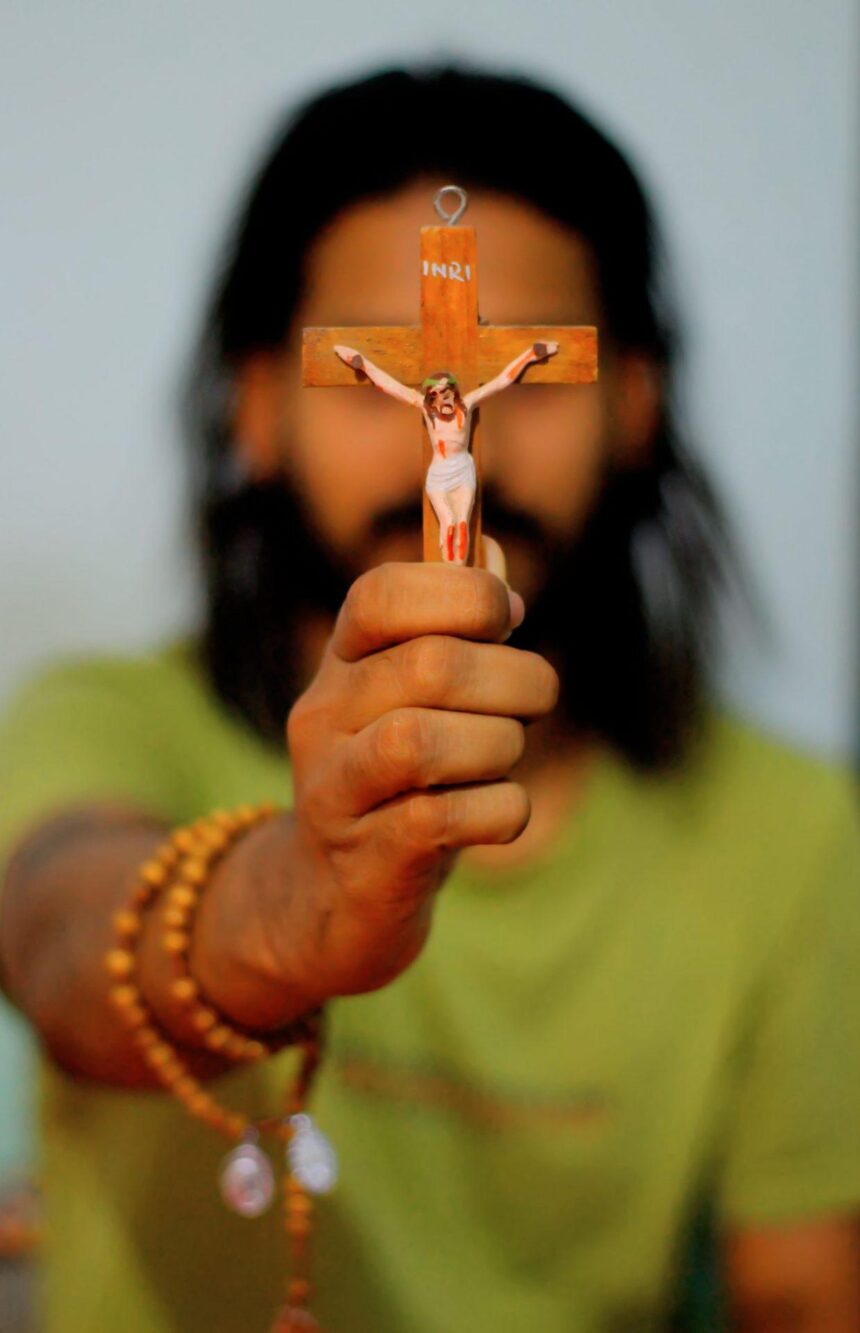

Police Arrests Highlight Rising Tensions Against Christians in Uttar Pradesh
In a disturbing development for religious minorities in India, police in Uttar Pradesh arrested three Christians during a healing prayer service after allegations of attempted conversions were made by a local Hindu nationalist leader. This incident signals an increasing trend of tensions and discrimination against religious minorities, particularly Christians, in the face of stringent anti-conversion laws enacted by the state government.
Details of the Arrest and Allegations
The arrests occurred on August 25, stemming from a complaint filed by Shubham Kumar, a local member of the Bajrang Dal. The accused individuals—Subedar, Rekha Devi, and Sadhna—are residents of Kathauli village, near Prayagraj city. Kumar accused them of attempting to convert poor attendees during a private prayer gathering held two days earlier.
According to the complaint, roughly 100 unidentified participants were allegedly involved in these conversion attempts at the event. Following the protest from the Bajrang Dal and other Hindu extremist groups, local law enforcement acted on the accusations. Initial detentions included five individuals, but two were later released for lack of evidence.
Context of Religious Discrimination
The arrests of Christians in Uttar Pradesh are not isolated incidents but reflect a broader trend of discrimination against religious minorities under the current government, led by the Bharatiya Janata Party (BJP) and its affiliated organizations. Local religious leaders, including Pastor Ravi Mohan, have indicated that routine prayer and charitable activities are increasingly framed as attempts at conversion, leading to legal repercussions.
The state’s anti-conversion laws provide the legal framework for such actions. Uttar Pradesh’s regulations prohibit converting individuals through coercion, undue influence, or bribery, with amendments that have broadened the scope of these laws and heightened penalties. Christian organizations report that these laws are often weaponized to obstruct worship and intimidate congregations, creating an atmosphere of fear and exclusion within communities.
Broader Implications for Minority Communities
The implications of these arrests extend far beyond the individuals involved, reflecting an atmosphere of social exclusion that many minority communities are increasingly experiencing in India. Recent reports indicate a significant rise in the persecution of Christians, with 843 documented incidents reported in 2024 alone, including 209 instances occurring in Uttar Pradesh, the highest incidence of violence against Christians recorded in any state.
This atmosphere cultivates a sense of vulnerability among Christians, making it increasingly challenging for them to hold religious gatherings without facing allegations of conversion. Christian leaders and human rights advocates express grave concerns that such crackdowns could diminish the rights and freedoms guaranteed to all citizens, further marginalizing an already vulnerable segment of the population.
Why It Matters
The situation in Uttar Pradesh serves as a significant case study in understanding the broader policies and actions affecting religious minorities across India. The stringent anti-conversion laws not only contribute to social exclusion but also pose threats to the principles of religious freedom enshrined in the Indian Constitution. For developers and users of AI technologies, particularly in the context of social media and news dissemination, the implications are profound; they illustrate the necessity for algorithms to be cognizant of rising intolerance and discrimination, ensuring that platforms remain safe for diverse expressions of faith. Furthermore, developers should advocate for policies that promote inclusivity and respect for all religions to prevent the perpetuation of violence and discrimination online and offline.
Frequently Asked Questions
What sparked the arrests of Christians in Uttar Pradesh?
The arrests were initiated after a complaint from Shubham Kumar, a Hindu nationalist leader, who alleged that the individuals attempted to convert people during a Christian healing prayer service.
What are the anti-conversion laws in Uttar Pradesh?
Uttar Pradesh’s anti-conversion laws prohibit conversions through coercion, fraud, undue influence, or allurement, and recent amendments have broadened the legal ramifications for those accused of such actions.
How widespread is the persecution of Christians in India?
In 2024, over 843 incidents of persecution against Christians were documented across India, with Uttar Pradesh recording the highest number of incidents at 209.
What are the broader implications of these arrests for religious minorities?
The arrests signal a growing trend of social exclusion and legal challenges faced by religious minorities in India, raising concerns about the erosion of religious freedoms and the safety of minority communities within the country.