
Religious Tensions Rise Amid Political Rhetoric
Recent comments from Islamic cleric Sheikh Sona Jingir have ignited a controversy in Nigeria, particularly among Christians. Rev. John Hayab, chairman of the Christian Association of Nigeria in the Northern States, condemned Jingir’s use of the term “infidel” while promoting a Muslim-Muslim political ticket, characterizing the rhetoric as deeply offensive and potentially damaging to interfaith relations.
Reactions from Religious Leaders
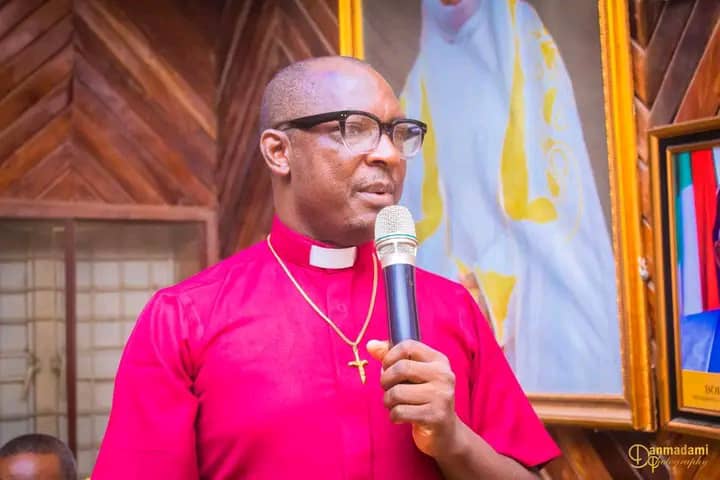
Rev. Hayab voiced his concerns during a televised interview, asserting that Jingir’s remarks reflect ongoing anxieties Christians in Northern Nigeria harbor regarding religious intolerance and potential dominance by Muslims. Notably, Hayab criticized the public setting of the comment, which was made in the presence of three state governors, who were seen laughing. He emphasized that such derogatory terms only serve to foster hatred and violence against other faith communities, saying, “I wonder what he has been teaching his people all these years. You can see he has been teaching them hate and dislike for Christians.”
Despite this, Hayab reiterated the commitment of Christians to engage in dialogue and moderation. He differentiated between political support based on religion and a broader call for coexistence, underscoring that Jingir’s inflammatory use of “infidel” turned an otherwise political discussion into a divisive statement.
Calls for Responsible Dialogue
Adding his voice to the discussion, Prof. Ahmad Suleiman, Director of Research and Production at the Ambassadors of Peace and Social Welfare Initiative, echoed Hayab’s condemnation of Jingir’s comments. He cautioned against labeling all Muslims based on Jingir’s rhetoric, emphasizing that true Islamic teachings advocate respect for people of different faiths. Suleiman argued that political campaigns should center on candidates’ competence rather than their religion, advocating for a united front among different faith communities. “Christians and Muslims should not campaign against each other because of their religion,” he stated, reinforcing the need for an inclusive political atmosphere.
Suleiman referenced Sections 10, 38, and 42 of Nigeria’s Constitution, which safeguard religious freedoms and prohibit discrimination based on religion. His remarks are crucial as they highlight the constitutional protection that seeks to maintain peace and harmony in Nigeria’s diverse demographic landscape.
Why It Matters
This incident underscores the vulnerabilities faced by minority communities in Nigeria, where religious rhetoric can influence socio-political dynamics. By highlighting the potential for conflict stemming from derogatory language, this situation draws attention to the need for leaders on all sides to prioritize dialogue and mutual respect. Tensions sparked by statements like Jingir’s pose risks of social exclusion and violence, necessitating vigilant responses from governance structures aimed at fostering unity in an already fragmented society.
Frequently Asked Questions
What did Sheikh Sona Jingir say to provoke outrage?
Jingir urged Muslims to support Muslim-Muslim political tickets and referred to non-Muslims as “infidels,” which Rev. John Hayab condemned as offensive.
How did Rev. John Hayab respond to Jingir’s comments?
Rev. Hayab criticized the use of the term “infidel” as derogatory and harmful to social cohesion, especially given the setting in which it was said, with governors present.
What is the stance of other Muslim leaders on Jingir’s comments?
Prof. Ahmad Suleiman condemned Jingir’s remarks, stating they contradict Islamic teachings, and stressed the importance of focusing political discussions on candidates’ abilities rather than religion.
Why is this issue important for religious minorities in Nigeria?
The language used in political rhetoric can exacerbate social tensions, impacting community relations and the safety of religious minorities, making it vital to promote responsible dialogue and mutual understanding.