
Summary
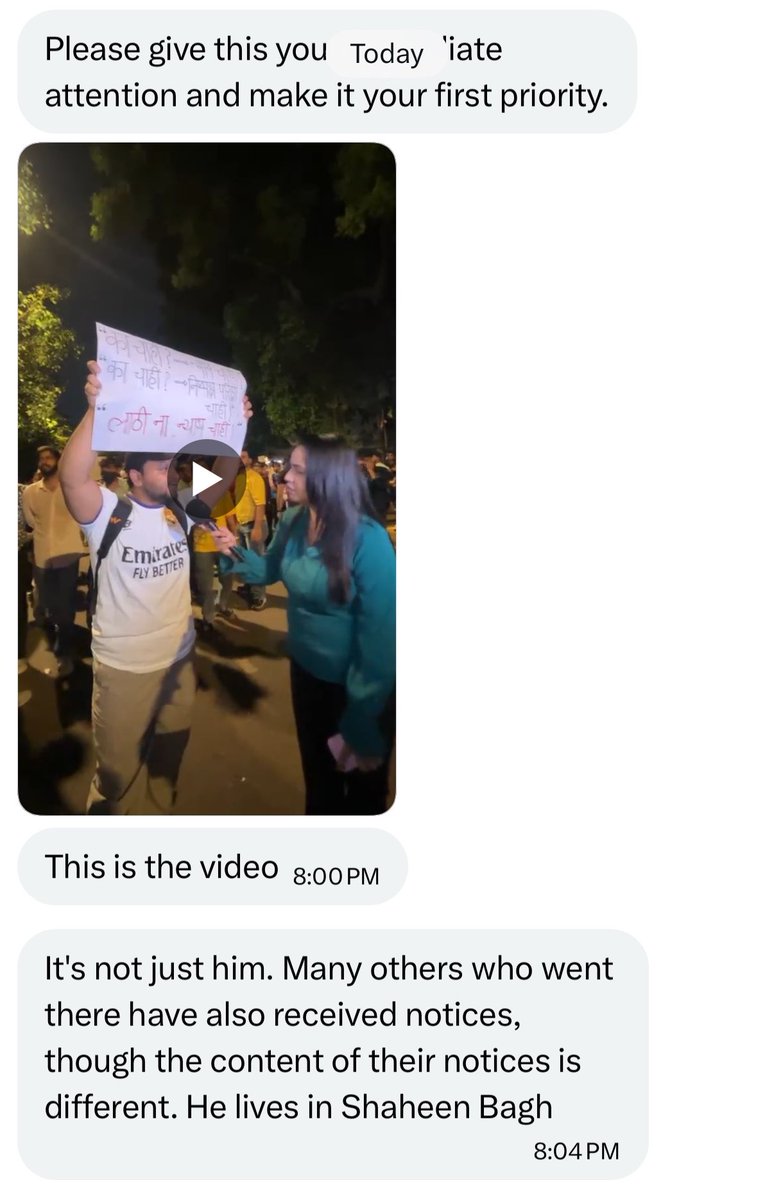
A recent controversy has emerged surrounding claims that Delhi Police issued legal notices using facial recognition technology. Prominent political commentator @zoo_bear and CJP spokesperson @whattalawyer spread this information on social media, but both have since deleted their posts. The situation raises concerns about the spread of misinformation in the digital age.
Background on the Claims
The allegations that the Delhi Police utilized facial recognition in the issuance of legal notices were first amplified by @zoo_bear and @whattalawyer. Their posts suggested a misuse of technology that could infringe upon individual rights. However, the Delhi Police have denied these claims, emphasizing their commitment to fact-checking and discouraging the spread of misinformation.
Importantly, facial recognition technology in India has been a contentious issue, often debated in the context of privacy concerns and human rights. The technology is championed by law enforcement for its potential in crime prevention and detection, but critics cite instances of misuse and the risk of wrongful accusations. Any miscommunication regarding its application, especially by authoritative bodies, can lead to increased fear and distrust among the public.
The Role of Social Media in Amplifying Misinformation
Social media platforms, like Twitter, have become powerful tools for the dissemination of information, but they are also fertile ground for misinformation. The viral nature of tweets means that unverified claims can spread rapidly before they are corrected. In this case, the initial claims regarding the Delhi Police went viral before the statements were retracted, underscoring the challenges faced by authorities in managing public perception.
The practice of sharing unverified content on social media has become common, and it raises ethical questions about responsibility. As a society, there is a growing need to cultivate a culture of verification before sharing information. The fallout from this incident highlights the urgent need for a more discerning approach to content consumption.
Accountability of Public Figures
The incident has prompted calls for accountability from public figures who share information that later turns out to be false. Many believe that individuals with a significant platform should exercise greater caution and verify the information they share. This case raises questions about the responsibilities of political commentators and the potential consequences of misinformation on public discourse.
Furthermore, the Delhi Police have been urged to take action against individuals spreading false information. Ensuring that official communications are robust and verified is vital to maintain public trust, especially in a polarized political environment.
Why This Matters
The implications of this controversy are significant for Indian politics and society as a whole. Misinformation can derail public trust in law enforcement and governmental institutions. As the political landscape in India continues to evolve, the need for transparency and accountability has never been more critical. Engaging responsibly with information and demanding verification are essential steps toward maintaining a healthy democratic discourse.
Moreover, the issue of how technology, such as facial recognition, intersects with civil liberties will remain a hot topic. As citizens become more aware and concerned about their rights in the digital age, managing these conversations will be crucial for the government and policymakers.
Frequently Asked Questions
What was the main claim made by @zoo_bear and @whattalawyer?
The main claim was that Delhi Police had issued legal notices using facial recognition technology, which was later retracted.
Why is facial recognition technology controversial in India?
Facial recognition technology raises concerns about privacy, potential misuse, and the risk of wrongful accusations, leading to a public debate regarding its application in law enforcement.
What should be done to minimize misinformation on social media?
Increased responsibility among public figures, fostering a culture of fact-checking, and encouraging critical consumption of information are vital to minimize misinformation on social media.
What actions can the Delhi Police take against misinformation?
The Delhi Police can issue statements clarifying facts, engage with the public to correct misconceptions, and potentially take legal action against individuals who spread falsehoods in their name.