
Summary
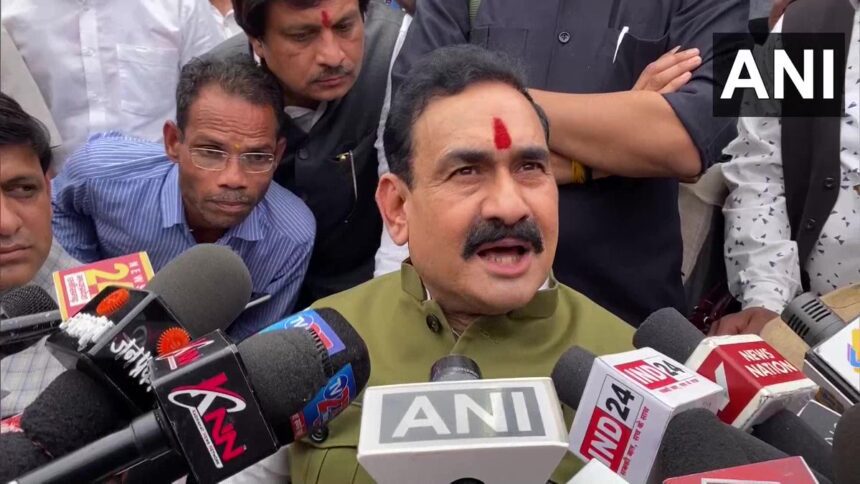
Madhya Pradesh Home Minister Narottam Mishra has criticized the film ‘Pathaan’, labeling it as flawed and rooted in a toxic mentality. His comments further spotlight ongoing cultural and political tensions surrounding film content in India, particularly regarding perceived religious sensitivities.
Context of the Comments
Narottam Mishra, a prominent political figure in Madhya Pradesh, has made headlines recently for his comments on the film ‘Pathaan’. The film, which stars Bollywood superstar Shah Rukh Khan, has drawn scrutiny over its lyrics and costumes. Mishra asserts that the song ‘Besharam Rang’ features lyrics that need to be “corrected” due to their portrayal of saffron and green clothing, colors often associated with Hindu and Muslim populations, respectively. This intervention by a state official indicates how political leaders can influence the screening of films based on cultural values.
Background on Film Censorship in India
India has a long history of film censorship and regulation, primarily managed by the Central Board of Film Certification (CBFC). However, state officials like Mishra often express their opinions on films, sometimes threatening to ban or censor them based on political or religious sentiments. This pattern raises questions about the autonomy of filmmakers and the implications of political interference in the arts. With increasing polarization in Indian society, films have become battlegrounds for ideological conflict, reflecting broader societal issues. Whether a minister should have the power to influence artistic expression remains a contentious topic.
Analysis of the Political Landscape
Mishra’s remarks highlight the delicate balance politicians must tread between cultural sentiment and artistic freedom. In a politically charged environment, his alignment with certain voter bases and religious sentiments might be seen as a move to bolster support among conservative constituents in Madhya Pradesh. By taking a strong stance on a high-profile film like ‘Pathaan’, Mishra not only asserts his political relevance but also signals to his supporters that he stands against perceived cultural offenses. This reflects broader political strategies where leaders amplify their voices on pop culture to connect with their followers.
Why This Matters
The tensions surrounding ‘Pathaan’ underscore significant cultural and political dynamics in India. The representation of religious symbols and narratives in media has vast implications for national discourse and communal relations. Officials like Mishra wield considerable influence over public sentiment and the arts, making such statements critical in understanding the intersection of politics and culture in India. Additionally, the political stance taken by regional leaders can set precedents for future government interventions into cultural affairs, affecting not just cinema but also other art forms and media.
Frequently Asked Questions
What specific criticisms did Narottam Mishra have about ‘Pathaan’?
Mishra criticized the film for its lyrics and portrayal of saffron and green clothing, stating they reflected a “toxic mentality”. He called for corrections to be made or else threatened to reconsider the film’s screening in Madhya Pradesh.
How does film censorship work in India?
Film censorship in India is primarily managed by the Central Board of Film Certification (CBFC). However, state officials can influence or threaten to ban films based on local sentiment, often leading to significant debates about freedom of expression versus cultural sensitivities.
Why are films often points of contention in Indian politics?
Films are culturally significant and widely consumed, making them ripe for political commentary and influence. Leaders often use films to connect with their base or to project their ideological stances, leading to heightened scrutiny and often leading to public protests or calls for bans.
What implications do these comments have for artistic freedom?
Mishra’s comments could lead to increased self-censorship among filmmakers who may alter their content to avoid political backlash. This could stifle creativity and provoke self-regulatory measures within the industry, raising concerns over artistic freedom and expression in a democratic society.