
Summary
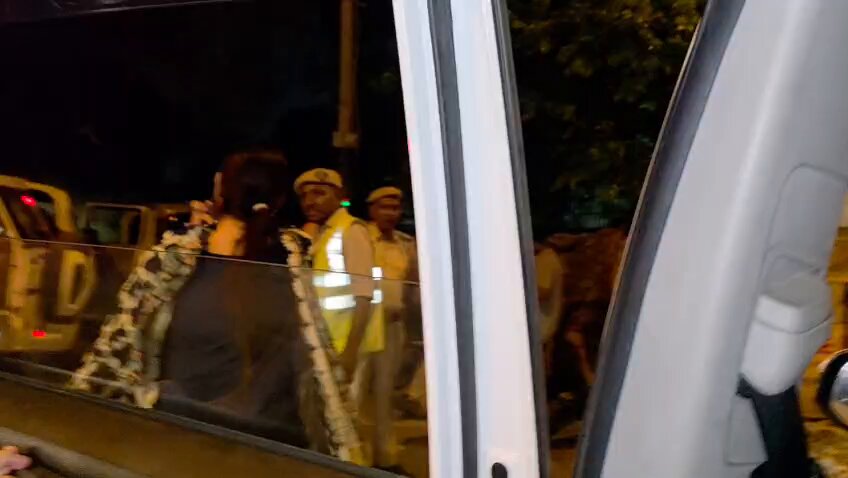
Recent events have highlighted a troubling trend of police detentions targeting Muslim students in India. Five students returning from a protest at Jantar Mantar were detained by police, raising concerns about civil liberties and the treatment of Muslim citizens during demonstrations.
Context of the Protest
The protest at Jantar Mantar was organized in response to various social justice issues faced by the community. These public protests are critical for communities to express grievances and seek governmental accountability. However, the attendees, particularly from vulnerable groups, have increasingly found themselves under scrutiny and targeted by law enforcement.
Social activist Zeba Khan and reporter Afzal Alam intervened when the police detained the students, prompting a public outcry about the actions of Delhi Police. Their swift action in freeing the students highlights the disparity between the rights guaranteed to citizens and the reality on the ground, especially for marginalized communities.
Narrative on Police Action
The detention of the students has sparked significant discussion on the role of police in democratic processes. Mohammed Zubair, a prominent political commentator, voiced his shock over the incident, effectively illustrating a growing trend where dissent is met with reprisals. Police have a responsibility to protect citizens’ rights to protest; however, the consistent targeting of specific groups raises alarms about whether these rights are genuinely extended to all citizens.
The phrase “Why are young Students from the Jamia area being treated like criminals?” encapsulates a widespread concern about systemic biases within law enforcement agencies. Delhi Police’s rationale for detaining the students remains unclear, prompting questions about the legality of their actions.
Broader Implications
This incident is not isolated but part of a broader narrative within Indian society regarding the treatment of Muslims and other minorities. The detention of students highlights significant tensions in the country regarding religious identity and civil rights. As India continues to grapple with its identity as a secular nation, such actions by police further polarize communities and exacerbate feelings of disenfranchisement among minority populations.
The police’s selective enforcement raises critical questions: Are protests being stifled when they involve specific demographics? How does the narrative of national security intertwine with the rights of citizens to assemble and express dissent? The response from both the public and the authorities will be crucial in shaping future protests and the treatment of those who participate in them.
Why This Matters
For Indian readers, the implications of this incident extend beyond the immediate effects on the students involved. It serves as a stark reminder of the ongoing challenges faced by minority groups, especially in urban areas like Delhi. The ability to protest peacefully is a cornerstone of democracy, and incidents of unlawful detentions create a chilling effect on civic participation.
Furthermore, as the political climate in India evolves, issues of religious identity will likely play a significant role in shaping societal dynamics. Understanding the implications of such detentions can guide civic engagement and influence policy advocacy aimed at protecting civil liberties for all citizens.
Frequently Asked Questions
Why were the students detained by the police?
The police detained the students without clear justification, raising concerns about their right to participate in a peaceful protest.
What role did activists play in this incident?
Activist Zeba Khan and reporter Afzal Alam intervened during the detention, ultimately helping to free the students from police custody, highlighting the importance of civic engagement and activism.
What does this indicate about police behavior towards minorities in India?
This incident reflects systemic biases in law enforcement, suggesting a troubling trend of disproportionate targeting of specific communities, particularly Muslims, in the context of civil protests.
How can citizens respond to such incidents?
Citizens can engage in advocacy, raise awareness through social media, and participate in legal challenges against unjust detentions to defend their civil rights and the rights of others in similar situations.