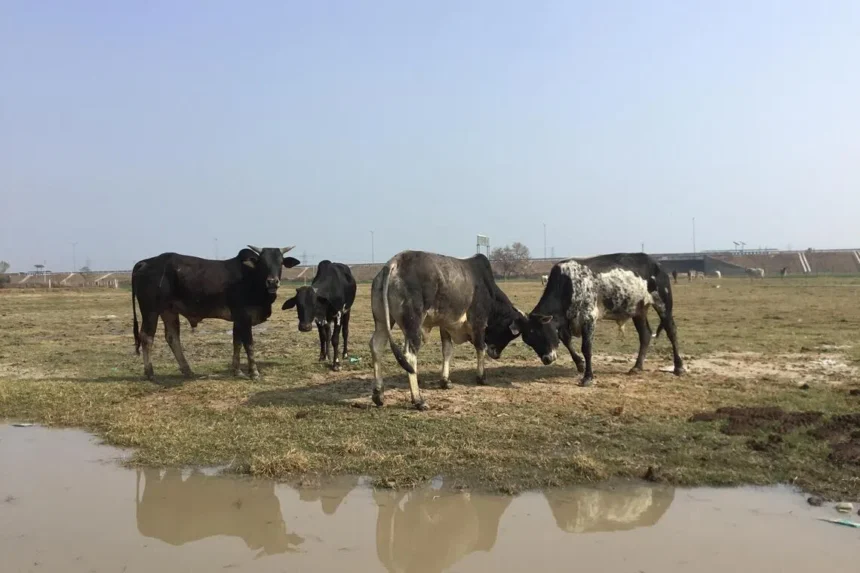

Several Muslim leaders and organizations in India are urging the government to declare the cow as the national animal and impose a nationwide ban on cow slaughter. This demand aims to reduce the escalating Hindu-Muslim communal tensions and violence often linked to cattle trade and slaughter practices.
The Context of Cow Slaughter and Religious Sentiment
Cattle trade and slaughter are deeply contentious issues in India, frequently resulting in violence against Muslims and marginalized Hindus accused of participating in these activities. Cow slaughter, considered a religious violation by many Hindus who regard cows as sacred, has become a focal point for mob violence, particularly since the rise of the Bharatiya Janata Party (BJP) in 2014. According to a FactChecker database, over 98% of recorded cow-related lynching incidents occurred after May 2014.
Muslims, along with marginalized groups, are often victims of these vigilante attacks. Incidents have included fatal assaults against Muslims transporting cattle, a practice labeled illegal by various state-level restrictions on cow slaughter. Arshad Madani, president of Jamiat Ulama-i-Hind, emphasized that declaring the cow as a national animal could defuse communal tensions and prevent violence linked to cattle trade.
A Patchwork of Regulations and Consequences
Current laws governing cattle slaughter vary significantly from one Indian state to another, resulting in inconsistent regulations. Most states impose strict bans on cow slaughter, while a few, including Kerala and West Bengal, allow it. This inconsistency leads to the transportation of cattle from states with bans to those that permit slaughter.
The demand for a national animal status for the cow gained traction during the Muslim festival of Eid al-Adha, a time when cattle sacrifice is customary. The Muslim community argues that a comprehensive ban on cattle trade would minimize occasions for communal conflict. Moreover, Khasim Shoaib Ur Rahman, a representative of the All India Jamiatul Quresh, expressed that a blanket ban on all cattle species would unfairly target farmers and those involved in the meat trade.
The BJP’s Dilemma
The BJP has historically rallied for cow protection; however, it faces backlash regarding the proposal to officially declare the cow as the national animal. Despite some party members supporting this idea, the government has repeatedly stated there are no plans to enact such a law. Law Minister Arjun Ram Meghwal reaffirmed this position, suggesting that states should maintain autonomy over their slaughter policies. This approach risks exacerbating tensions, particularly in states governed by opposition parties or with sizeable Christian populations, which allow cattle slaughter.
Political commentators observe that a strict nationwide ban could undermine the BJP’s electoral strategy that polarizes Hindu and Muslim voters. As Rasheed Kidwai noted, less engagement in this communal issue could reduce voter polarization, presenting a dilemma for a party reliant on religious divides for electoral support.
Why It Matters
The current call for cow protection and a ban on slaughter speaks not only to religious sentiments but also highlights significant socio-political dynamics within India. This issue underscores the marginalization of certain communities, particularly Muslims, and raises questions around economic dependencies related to cattle farming and meat trading. A unilateral approach to cow protection could have far-reaching consequences for community relations, economic stability in affected sectors, and the overall framework of religious tolerance in the country.
Frequently Asked Questions
What are the current laws regarding cattle slaughter in India?
Laws regulating cattle slaughter vary by state. Many states impose strict bans, especially on cow slaughter, while states like Kerala and West Bengal allow it.
Why is cow slaughter a contentious issue in India?
Cow slaughter is contentious due to its religious significance in Hinduism, where cows are considered sacred, leading to violence against those accused of violating religious sentiments.
What impact would declaring the cow as the national animal have?
Declaring the cow a national animal would standardize slaughter laws across India, potentially reducing communal violence linked to cattle trade and improving relations between communities.
How has the BJP government responded to calls for a cow protection law?
The BJP government has avoided granting cows national-animal status, asserting that states can create their own regulations regarding cattle slaughter while expressing concerns about potential political fallout.