
Escalating Tensions in the Middle East
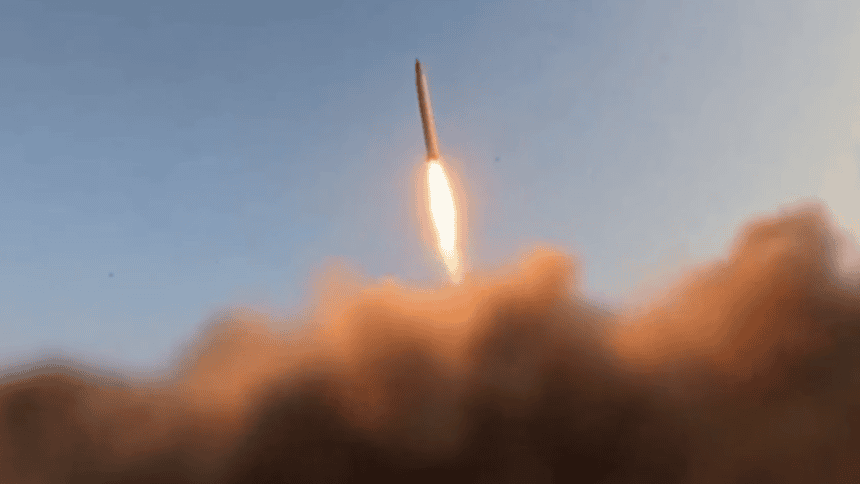
Recent military actions in the Middle East reveal a rapidly escalating situation involving Iran and its neighboring countries. Both Bahrain and Kuwait reported successful interceptions of Iranian missiles, while Iran’s military asserted its involvement in attacks against US assets in the region. Concurrently, Israel’s military operations against Palestinians have intensified, reflecting a broader pattern of conflict and heightened geopolitical instability.
Missile Interceptions and Military Strikes
Both Bahrain and Kuwait have sounded alarms following missile interceptions, signaling rising concerns over Iranian military activities. The Iranian army claimed responsibility for an assault on the Al-Azraq US Airbase in Jordan. In a parallel narrative, the US Central Command has conducted airstrikes against Iran for a record 13 consecutive nights. Reports from Iranian media indicate explosions in multiple cities, including Khorramabad and Bandar Abbas, highlighting a significant uptick in hostilities. A US missile strike near Ahvaz resulted in casualties, with four individuals confirmed dead and five injured, further exacerbating the dire humanitarian situation in the region.
Israel-Palestine Conflict Intensifies
The ongoing conflict in Israel and Palestine has seen a tragic spike in violence, with four Palestinians and two Israelis killed during a shootout close to the settlement of Havat Gilad. In retaliation, the Israeli military has initiated an extensive operation in Nablus and surrounding areas, leading to fears of further civilian casualties and a deepening humanitarian crisis in the occupied West Bank. This cycle of violence underscores the fragile state of peace in the region and raises critical questions about the future of Israeli-Palestinian relations.
Iran’s Response to US Actions
In light of the escalating military confrontations, Iranian Foreign Minister Abbas Araghchi described the attacks as “mindless aggression,” threatening that the US would face a more significant price for its actions. This statement reflects Tehran’s defiant stance amidst rising tensions and underscores the potential for further retaliation. The Iranian government remains unwavering in its narrative, framing the situation as a struggle against foreign interference in its national sovereignty.
Why It Matters
The developments in the Middle East have global implications, particularly regarding oil security, international relations, and the balance of power. Nations worldwide must consider the potential for broader conflict, economic impact from disrupted oil supplies, and the migratory repercussions of escalating violence. Additionally, geopolitical stability in the region is crucial for global security, and the continued conflict may hinder diplomatic efforts aimed at resolving longstanding tensions. Analysts are closely monitoring how these military actions will influence foreign policy, military alliances, and regional diplomacy moving forward.
Frequently Asked Questions
What led to the recent military actions involving Iran?
Increased tensions, resulting from claims of missile interceptions and ongoing military operations against Palestinian territories, have ignited confrontations involving Iran, the US, and Israel.
What are the consequences of the US air strikes against Iran?
The airstrikes have resulted in casualties and heightened military responses from Iran, contributing to the ongoing cycle of violence in the region.
How has the Israeli-Palestinian conflict escalated recently?
A shootout near the Havat Gilad settlement, resulting in multiple deaths, has led Israel to conduct a large-scale military operation in the occupied West Bank, exacerbating the humanitarian crisis.
What are the potential global implications of these conflicts?
The conflicts could disrupt oil supply chains, influence foreign policy decisions worldwide, and prompt humanitarian crises as violence escalates in the region.