
Summary of Recent Protests in Kolkata
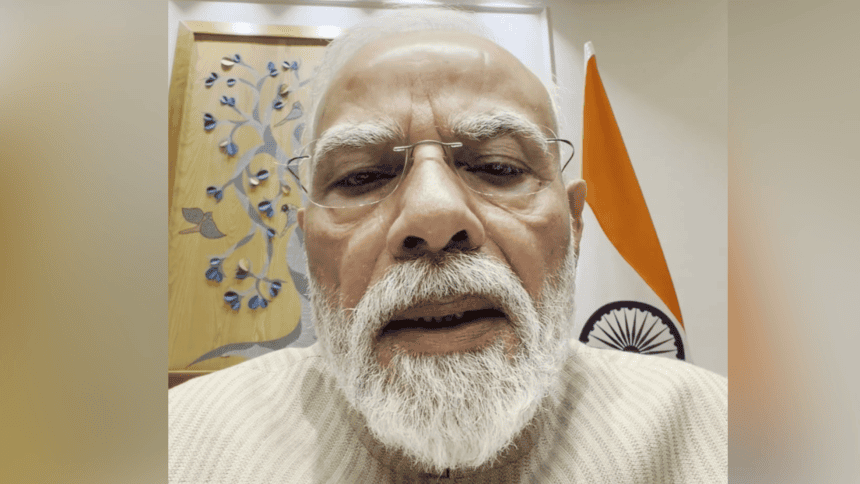
A man named Soumik Chattopadhyay was arrested in Kolkata for allegedly setting fire to a photograph of Prime Minister Narendra Modi during a protest against the NEET exam question paper leak. This incident highlights the rising tensions surrounding educational governance in India, particularly among student groups aligned with the political left, who seek accountability from the ruling government.
The Incident: Protests and Arrests
The protests took place in Kolkata on Friday, organized by various Left-affiliated student groups. These groups have been vocal in their demands for the resignation of Union Education Minister Dharmendra Pradhan, citing an alleged leak of the National Eligibility cum Entrance Test (NEET) question paper as a significant issue affecting the integrity of the education system.
During the protest, Chattopadhyay was reported to have used the flames from the photograph he set fire to, as a means to light a cigarette. This act quickly garnered attention and sparked outrage, particularly among members of the Bharatiya Janata Party (BJP), who subsequently filed a complaint with the Barasat police. The quick action taken by law enforcement resulted in Chattopadhyay’s arrest within hours of the complaint, emphasizing the sensitivity around political dissent in current times.
Reactions from Political Parties and Public
The incident and subsequent arrest have provoked varied responses from different political factions. Advocates for the protesting groups argue that the educational system, and particularly the NEET exam, has significant implications for students and their futures. They argue that accountability is necessary for a fair educational structure. On the other hand, BJP leaders have positioned Chattopadhyay’s actions as an affront to national dignity, reflecting a broader narrative that seeks to frame dissent against the government as unpatriotic.
The protests eventually spiraled into violence, leading to multiple arrests and several registered cases. This further illustrates the increasingly charged atmosphere surrounding political discourse in India, where student activists often find themselves at odds with governmental authorities amid broader societal tensions.
Why It Matters
This incident is significant because it serves as a case study in the complex relationship between education, governance, and civil rights in India. The alleged NEET question paper leak spotlights deeper systemic issues within the educational framework while illustrating how political ideologies influence public sentiments and actions. Such incidents not only affect immediate stakeholders—students and educators—but also resonate globally regarding the fight for academic integrity and freedom of expression. Understanding the dynamics at play is crucial for observers and stakeholders alike, as they can inform potential interventions and policy recommendations to promote stability and accountability in governance.
Frequently Asked Questions
What sparked the protests in Kolkata?
The protests were primarily driven by allegations of a leak in the NEET exam question paper, prompting demands for the resignation of Union Education Minister Dharmendra Pradhan.
Who is Soumik Chattopadhyay?
Soumik Chattopadhyay is a resident of Badu in West Bengal’s North 24 Parganas district and was arrested for allegedly burning a photograph of Prime Minister Narendra Modi during the protest.
What were the consequences of the protest?
The protest turned violent, leading to multiple arrests and several criminal cases being registered against participants, reflecting the heightened tensions between protesting groups and law enforcement.
Why does this incident matter in a broader context?
The incident highlights critical issues surrounding educational integrity, political dissent, and civil rights in India, signaling the growing complexities and challenges faced by student activists in the current political climate.