
In a troubling incident that underscores the increasing vulnerability of Muslims in India, an elderly Muslim shop owner faced religious abuse and intimidation from members of a Hindutva group in Mumbai. The event, reflecting ongoing communal tensions, raises concerns over safety, discrimination, and the judicial system’s response in the current political climate.
Incident Overview
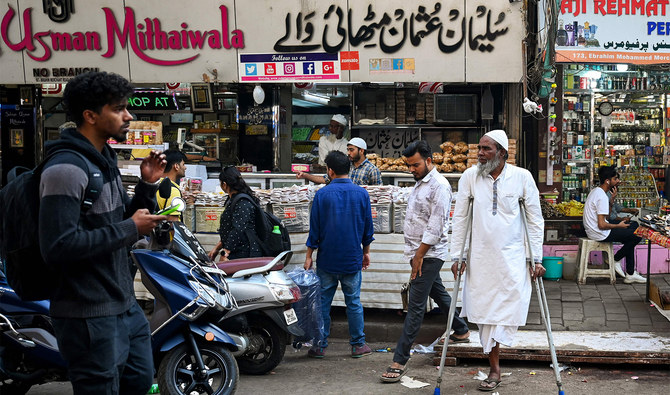
The incident took place at the Mannat Ethnic Designer showroom owned by Rafat Hussain in Mumbai, located in the BJP-ruled Maharashtra state. According to reports from Kashmir Media Service, four women entered Hussain’s shop under the guise of inquiring about sherwanis and wedding suits. However, after expressing initial interest in the products, they swiftly turned hostile, launching into a tirade of religious insults directed at Hussain’s Muslim identity.
Hussain reported that the women said, “You are a Muslim, you live in a certain way, and you do things in the wrong way,” a statement that reflects not just personal malice but broader communal stereotypes. Concerned for his safety, Hussain fled to a nearby police station.
Repercussions and Community Reaction
Upon arriving at the police station, Hussain found himself at the center of a larger conflict. Within 20 to 25 minutes, nearly 150 individuals gathered outside, chanting communal slogans, and approximately 20 to 25 Hindutva activists attempted to breach the station to confront him. Despite being the target of aggression, Hussain revealed that the police registered a First Information Report (FIR) against him based on the women’s complaint, rather than taking action against the aggressors.
Hussain expressed that the incident was likely premeditated, questioning how such a large crowd could mobilize in a short timeframe if the women had genuinely been intent on shopping. The fear and uncertainty that followed left him shaken, stating, “My only crime is that I have a beard and wear a cap.” His experience has sparked a wave of outrage on social media, with many users condemning the community targeting of a Muslim businessman.
Broader Implications for Indian Muslims
This incident is not an isolated case; it is emblematic of a growing trend of discrimination, social exclusion, and economic boycotts faced by Muslims in India. Under Prime Minister Narendra Modi’s government, numerous reports have surfaced detailing attacks and discrimination against Muslim communities, raising concerns about the impacts on social harmony and individual safety.
Marginalization affects various sectors of society, including economic opportunities, where Muslims often find themselves excluded from business partnerships, property transactions, and access to credit. Such systemic issues add layers to the challenges faced by business owners like Hussain, who must navigate not only market competition but also cultural prejudice and hostility.
Why It Matters
The implications of this incident extend beyond individual experiences and reflect systemic issues within India’s socio-political landscape. The increasing normalization of communal tensions poses significant risks for social cohesion in a diverse society. When minority voices are stifled, economic growth can be stunted, and societal rifts can deepen. Understanding these dynamics is essential for policymakers, community leaders, and international observers monitoring the implications of such incidents for democracy, human rights, and communal harmony in India.
Frequently Asked Questions
What happened to Rafat Hussain?
Rafat Hussain, an elderly Muslim shop owner in Mumbai, was verbally abused and intimidated by members of a Hindutva group in his showroom. When he sought police protection, the police instead registered an FIR against him based on the complaint of the attackers.
Why did the police not protect Hussain?
The police failed to take action against the individuals who attacked Hussain, instead choosing to register a complaint against him. This illustrates a concerning trend where victims of communal violence face further victimization by law enforcement.
What are Hindutva groups?
Hindutva groups advocate for Hindu nationalism and often promote ideologies that marginalize non-Hindu communities in India, including Muslims. Their activism has been linked to several incidents of communal violence and discrimination.
What does this incident indicate about minority rights in India?
The incident highlights significant challenges regarding minority rights in India, particularly for Muslims. It reflects a broader atmosphere of intolerance that can endanger civil liberties and erode social cohesion in a diverse nation.