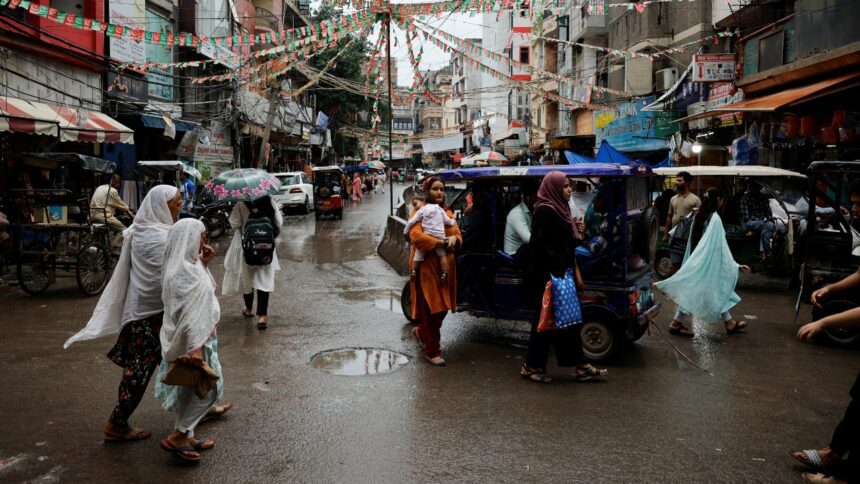

As South East Delhi prepares for the publication of its draft electoral roll on August 24, significant concerns are being raised regarding potential disenfranchisement, particularly among Muslim residents. With nearly 7 lakh names expected to be removed, the situation highlights ongoing issues of discrimination and social exclusion under the current political environment driven by the BJP and its affiliated organizations.
Electoral Roll Disparities and Potential Exclusions
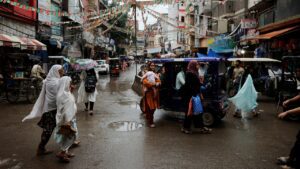
South East Delhi is positioned to be the most adversely affected area in terms of deletions from the draft electoral roll, with reports suggesting that around 7 lakh names could be left out. This alarming figure is compounded by the region’s poor digitization rate of enumeration forms, which stands at only 56.32%. This lag is particularly concerning in Muslim-majority neighborhoods like Okhla, where a large number of inhabitants are migrants or tenants who could easily be overlooked during the door-to-door verification process.
While there is no explicit data from the Election Commission indicating that the deletions are specifically targeting Muslim voters, the demographic profile of several areas in South East Delhi raises eyebrows. The fear of exclusion appears to stem more from the socioeconomic landscape—complex factors such as mobility, rental housing, and lack of documentation—than from overt political bias. The issues are exacerbated by the transient nature of many residents, as many laborers frequently shift between jobs and locations.
Broader Implications of Electoral Changes
Overall, the ongoing enumeration exercise is reportedly collecting forms for about 97.47 lakh voters out of Delhi’s 1.45 crore population. However, with 47.62 lakh names being marked as “uncollectible,” the potential ramifications extend beyond individual disenfranchisement. These figures suggest that entire communities may be systematically marginalized, an issue that policymakers and human rights advocates must take seriously. The uncollected names are categorized as individuals who have moved, died, or were unable to be reached during the verification process. It paints a troubling picture where communities with transient populations, like South East Delhi, become increasingly invisible in electoral representation.
In this context, the process of digitization and normalization of voter information becomes crucial not only for electoral integrity but also for ensuring social justice within these marginalized communities. The prevalent narrative surrounding voter identification often overlooks the structural barriers fraught with issues of accessibility for low-income, migrant populations.
The Role of Mobility and Economic Factors
According to officials from the Chief Electoral Officer’s office, the high disenfranchisement rates may also be attributed to the movement of workers to other states such as Uttar Pradesh and Bihar, reinforcing patterns of economic migration which contribute to their invisibility in the electoral process. Many workers maintain their family and permanent addresses in these regions, thus complicating their participation in local elections.
Furthermore, the concerns among Muslim residents in densely populated areas like Okhla reflect a larger trend of economic boycotts that disproportionately affect communities based on religious affiliations. The frequent movement of residents, coupled with their undocumented status, prevents comprehensive participation in the democratic process. This not only raises issues of representation but also serves to reinforce the existing social stratifications amplified by the political narrative endorsing “Hindutva” ideologies.
Why It Matters
This situation in South East Delhi underscores the larger implications of voter disenfranchisement under the current political climate in India. It highlights a crucial intersection between electoral politics, social justice, and the economic realities faced by marginalized communities. For the global audience, understanding these dynamics is essential in deciphering the implications of policies being implemented in regions with diverse demographic profiles, particularly as they pertain to human rights and equitable representation in governance.
Frequently Asked Questions
What is the significance of the upcoming electoral roll publication in South East Delhi?
The publication could lead to the exclusion of nearly 7 lakh names, primarily affecting marginalized groups, especially in Muslim neighborhoods. This can severely impact electoral participation and representation.
Why are there concerns specifically regarding Muslim voters?
The primary concern involves the socioeconomic demographic of Muslim-majority areas that often comprise transient populations, making accurate enumeration challenging.
What challenges do migrant workers face during voter enumeration?
Migrant workers often move frequently for economic reasons, which can lead to difficulties in updating their voter registrations and increase the chances of being left out of the electoral roll.
How does the digitization rate affect the electoral process?
A lower digitization rate can mean incomplete voter registrations and increased disenfranchisement, raising concerns about the integrity and inclusivity of the electoral process.