
Summary
The demolition of the Langda Hafiz Mosque in Varanasi, as part of the Rs 224-crore Dalmandi road widening project, raises questions about the social dynamics and treatment of minority communities under current governance. This event marks a significant milestone but highlights ongoing concerns regarding the handling of religious institutions amidst infrastructural development.
Context of the Dalmandi Road Widening Project
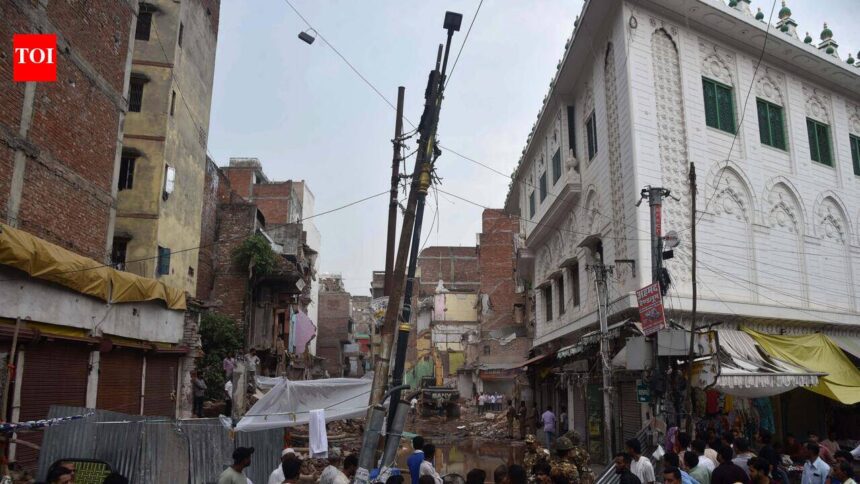
The Dalmandi road widening project aims to enhance traffic flow by expanding a 650-metre stretch of road to 17.4 metres, thereby alleviating congestion in Varanasi, particularly in areas leading to the Kashi Vishwanath Dham shrine. However, the project has faced criticism due to the extensive demolition of structures, including six mosques, at a time when community relations are delicate. The Langda Hafiz Mosque, with its historical significance, became the focus of negotiations and subsequent demolition.
Implications for Minority Communities
The demolition of the Langda Hafiz Mosque exemplifies the tensions surrounding religious minority identities in India, particularly amid infrastructure projects backed by the government. The authorities aimed to minimally impact the livelihoods of affected traders and religious communities; however, the uprooting of businesses and places of worship evokes feelings of marginalization among local Muslims. Over the years, similar incidents have punctuated discussions about how policies affect the socio-economic fabric of Muslim communities in India.
Official Responses and Community Concerns
In response to the demolition, officials reiterated their focus on maintaining order throughout the project. Surveillance through drone cameras was heightened, yet no additional security measures were deemed necessary, which contrasts sharply with months of heightened security concerns earlier in the demolition phase. These measures highlight a complex balancing act faced by local administrations when navigating community sensitivities regarding demolition and infrastructure expansion. Ongoing dialogue with mosque authorities and trading communities signals an effort to avoid conflict, but many still worry about the long-term implications of these developments.
Why It Matters
This incident is significant not only for local governance but also for broader discussions on the implications of urban development in diverse societies. The handling of such projects can set precedents for future interactions between authorities and minority communities. It raises critical questions about equity in development and the rights of marginalized groups, fostering dialogue on how to ensure inclusive progress that respects cultural and religious identities.
Frequently Asked Questions
What is the Dalmandi road widening project?
It is an infrastructure project in Varanasi aimed at expanding a key road to ease traffic congestion, costing approximately Rs 224 crores.
How many buildings have been demolished for the project?
A total of 181 buildings, including six mosques, have been demolished partially or entirely to facilitate the road widening effort.
What measures were taken to ensure community safety during the demolition?
Surveillance was intensified, particularly through drone technology, but no additional security forces were deployed during the final stages of the demolition at the mosque.
What are the implications for local businesses affected by the demolition?
Many local traders have been impacted significantly, with some having to relocate or rebuild their businesses, raising concerns about economic marginalization within the community.