
In a sharp political critique, Indian political commentator Shehzad Jai Hind lambasted Miya Zubair, who previously derided leaders of the Bharatiya Janata Party (BJP) and later joined the party. The critique highlights the perceived hypocrisy in Zubair’s political journey, emphasizing his shifting allegiances and questionable statements.
Background of Miya Zubair’s Political Journey
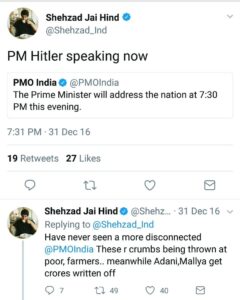
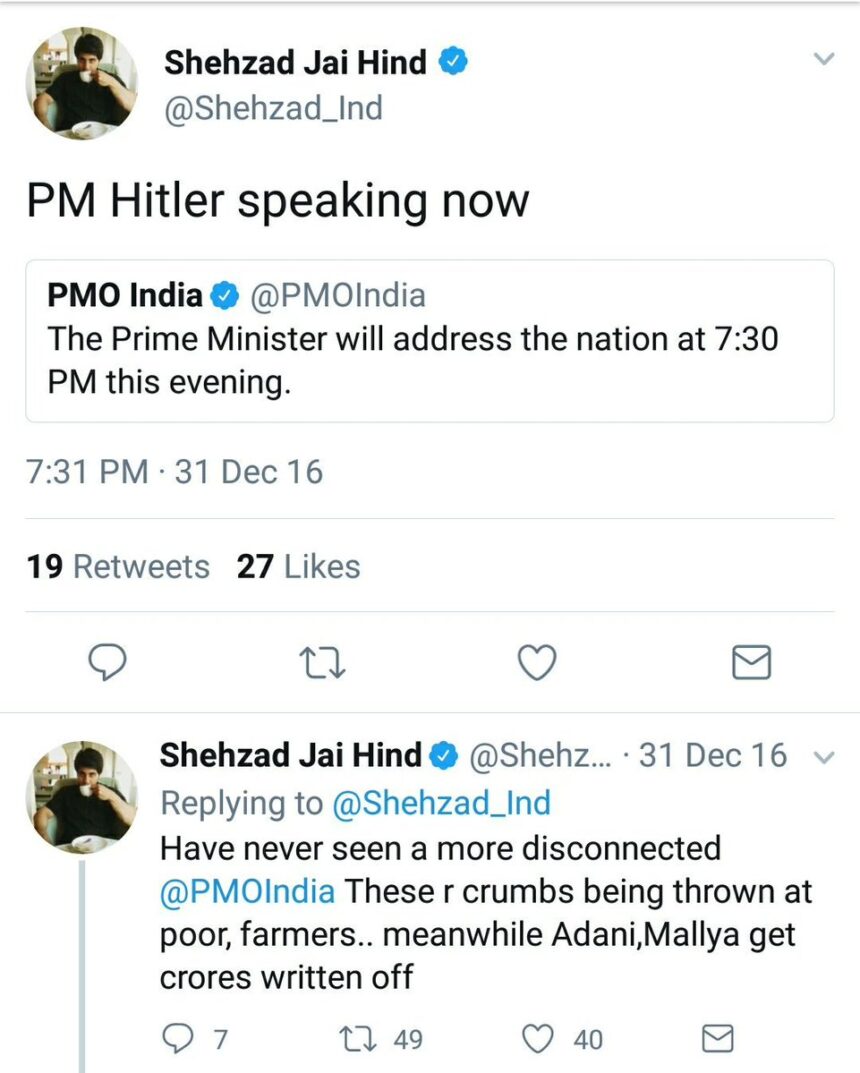
Miya Zubair’s political trajectory has seen significant shifts over the years. Initially, he was a vocal critic of the BJP, making strong statements against Prime Minister Narendra Modi and Home Minister Amit Shah. Zubair referred to Modi as “Hitler” and described Shah as a “Goebbels” figure, both references aiming to underscore what he perceived as authoritarian tendencies within the BJP government. Despite these scathing criticisms, Zubair later joined the BJP, attempting to position himself as a “Sanatani Musalman,” a term implying a balancing act between his religious identity and a newfound alignment with party ideologies.
This unexpected shift has raised eyebrows and sparked debates regarding political integrity and motivations, as his prior condemnations of the party juxtapose starkly with his newfound camaraderie with its leaders.
Critique and Reaction from Shehzad Jai Hind
In his recent tweet, Shehzad Jai Hind unleashed a critique on Zubair, suggesting that his transition into the BJP was driven more by opportunism than ideological alignment. The strong language used, referencing “goats,” “underage kids,” and “cleaning toilets for ISIS,” was meant to deride Zubair’s credibility and invoke strong emotional responses. This sort of rhetoric is common in Indian political discourse, often targeting opponents by undermining their character and values.
Jai Hind’s comments reflect a broader sentiment among some political commentators who view Zubair’s political maneuvering as a blatant display of “chatukarita,” or sycophancy, especially considering his prior opposition to the very leaders he now aligns with. This situation raises questions about loyalty in Indian politics, where changing sides can be both a strategy for survival and a source of criticism.
Political Implications of Zubair’s Departure
Zubair’s eventual resignation from the BJP, reportedly due to not obtaining a desired position, suggests further complications within the party dynamics. His departure indicates potential fractures in BJP cohesion, especially as the party navigates various internal and external pressures leading up to upcoming elections. Such shifts can sway public perception and influence voter behavior, particularly among younger and more politically aware constituents.
Discontent within party ranks over appointments and promotions can signal volatility. As leaders like Jai Hind point out, such actions not only reflect on Zubair but also place the BJP’s strategies under scrutiny in a climate where many are keen to observe how leadership manages dissent and loyalty.
Why This Matters
Zubair’s journey from critic to member of the BJP, and subsequently his exit, encapsulates a broader narrative in Indian politics: the fluidity of political alliances and the stakes involved in maintaining credibility. For the electorate, understanding these shifts is crucial; they echo the challenges of navigating ideological consistency in a rapidly changing political landscape. The reactions prompted by figures like Jai Hind resonate with how citizens view integrity and sincerity in party politics, influencing voter engagement and shaping the public narrative as elections approach.
Frequently Asked Questions
What did Miya Zubair say about BJP leaders before joining?
Miya Zubair previously labeled Prime Minister Narendra Modi as a “Hitler” and Home Minister Amit Shah as a “Goebbels,” expressing strong disapproval of their leadership and policies.
What prompted Zubair to leave the BJP?
Zubair reportedly left the BJP due to dissatisfaction with not obtaining a desired position within the party, highlighting the internal conflicts and competition present in political ranks.
What were the main criticisms directed at Zubair?
Critics, including Shehzad Jai Hind, have accused Zubair of hypocrisy for aligning with a party he once openly criticized, suggesting that his motivations were opportunistic rather than ideological.
What is the significance of shifting political alliances in India?
Shifting alliances often reflect broader trends in voter sentiment and party dynamics, influencing public trust and voter engagement as individuals navigate complex political identities.