
Overview of Recent Protests in Bengaluru
Recent protests at Freedom Park, Bengaluru, spotlight a clash between demonstrators and media representatives. A heated exchange captured by a Republic Channel reporter has drawn public ire, showcasing a disconnect between the media’s portrayal of protests and the sentiments of the youth involved.
The Incident at Freedom Park
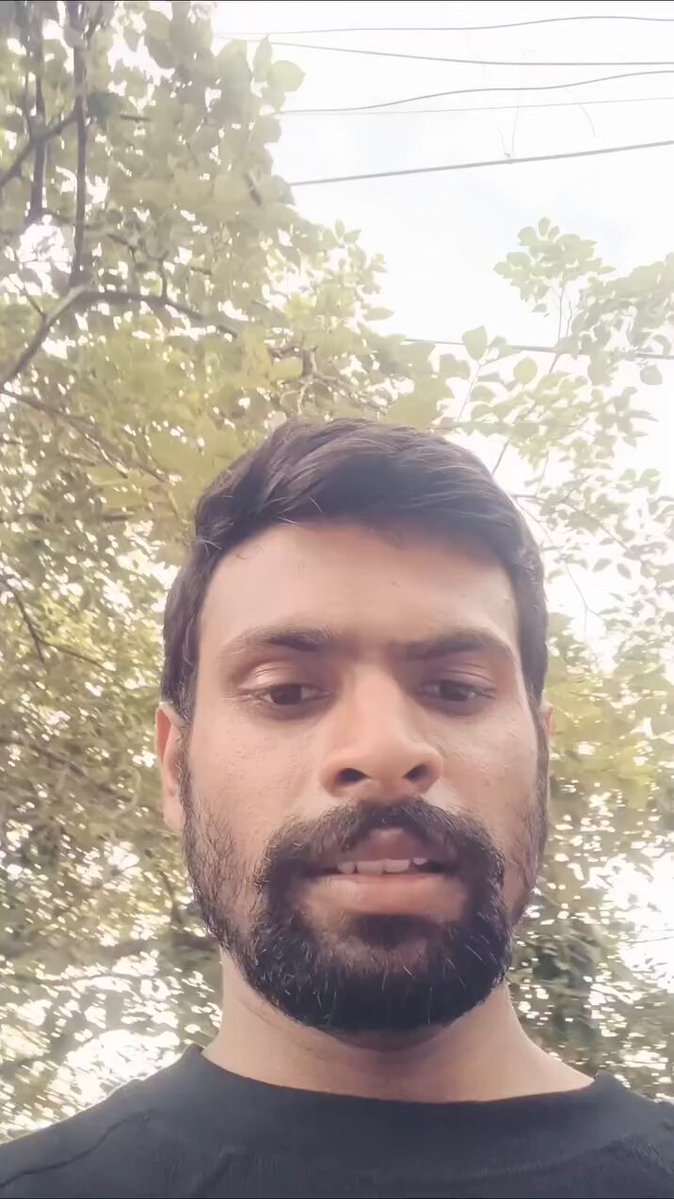
On the previous day, tensions escalated when a Republic Channel reporter confronted a protester at Freedom Park. During this exchange, the reporter questioned the legitimacy of the protest, implying that the demonstrators were not focusing on serious issues. In response, the protester challenged the reporter’s approach, pushing back against what he perceived as sensationalism heightened by the media. The reporter’s evasive tactics, resorting to irrelevant questions regarding the NEET (National Eligibility cum Entrance Test) exam, further added to the frustration felt by many observers.
Public Reaction and the Role of Social Media
This incident has sparked significant backlash, particularly among the younger generation, known as Gen Z. Their disdain for what they call ‘Godi Media’—a term used to describe mainstream media perceived to be biased or sympathetic toward certain political figures—was evident in the widespread sharing of the incident on social media. Many users on platforms such as Twitter expressed their dissatisfaction with the media’s tendency to diverge from critical conversations, focusing instead on trivial matters instead of substantial issues affecting the youth.
The Importance of Protest and Media Responsibility
The protests, notably the #Cjpprotest, aimed to shed light on pressing issues surrounding education and government policies. Activists are utilizing social media to amplify their messages and criticisms of governmental indifference. The way media portrays these protests is crucial, as it shapes public perception and can either validate or marginalize the voices of concerned citizens. This incident serves as a reminder of the responsibility media outlets hold in reporting comprehensively and sensitively on civic protests.
Why This Matters
The increasing disconnect between the media narrative and public sentiment points to a growing divide in Indian society. As the youth become more aware and active in political debates, their frustration with misleading media coverage will likely continue to grow. This protest also reflects larger socio-political issues, pointing to a need for authentic reporting and engagement that reflects real-world problems faced by students and young professionals. The way forward hinges on a media that can bridge these gaps, fostering constructive discourse rather than perpetuating conflict.
Frequently Asked Questions
What was the main issue being protested at Freedom Park?
The protesters were primarily focusing on educational policies and reforms, particularly related to the NEET exam, expressing concerns about how these issues affect students and the future of education in India.
What does the term ‘Godi Media’ mean?
‘Godi Media’ refers to mainstream Indian media outlets that are perceived as being overly sympathetic to certain political figures or parties, often accused of sidelining critical issues in reporting.
How did social media play a role in this incident?
Social media platforms have become a vital space for activists to share their experiences and criticisms of media coverage. The incident was swiftly circulated on platforms like Twitter, leading to greater public engagement and discussion surrounding the protest.
Why is the youth’s perspective significant in this context?
The youth, particularly Gen Z, are increasingly vocal about their political opinions and are shaped by their unique experiences in a rapidly changing environment. Their perspectives are crucial for understanding current socio-political dynamics and the direction of future protests and movements.