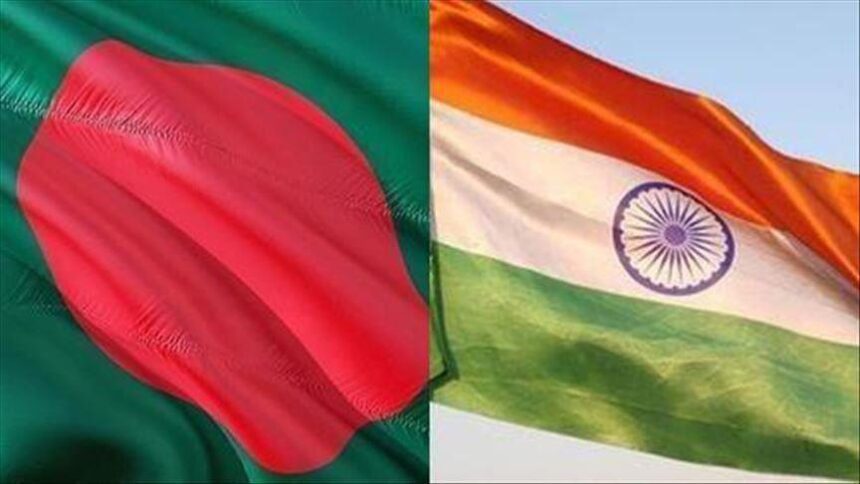

Border Tensions Escalate Between Bangladesh and India
Recent incidents at the Bangladesh-India border highlight increasing diplomatic strains as Bangladesh’s Border Guard (BGB) accused India’s Border Security Force (BSF) of attempting to force a group of eight individuals into Bangladeshi territory. This incident is part of a disturbing trend of cross-border “push-ins,” raising serious concerns over human rights and national policies regarding undocumented migrants.
Allegations of Human Rights Violations
The most recent incident took place before dawn in the Kushtia district of western Bangladesh. BGB officials reported that the BSF allegedly instructed two men, four women, and two transgender individuals to swim across a river into Bangladesh. Upon discovering the attempt, BGB personnel intervened, and local residents witnessed the confrontation. Reports indicate that the group was coerced to swim back to the Indian side when faced with BGB opposition.
This allegation fits into a broader narrative where Bangladesh has repeatedly expressed concerns over India’s unilateral actions, which bypass established legal frameworks for deportation. The BGB has documented multiple such incidents, wherein individuals are expelled without formal nationality verification, significantly heightening tensions between the neighboring countries.
Impact on Marginalized Communities
The ongoing push-in incidents place particular scrutiny on Bengali-speaking Muslims, who reportedly suffer disproportionately from these actions. Rights groups and legal advocates have raised alarms that individuals categorized as suspected undocumented migrants might face detention or expulsion based merely on suspicion and without due process. Such practices denote a troubling erosion of civil liberties, raising questions about the treatment of vulnerable populations amid these border disputes.
The complexities surrounding nationality verification have led to instances where individuals expelled into Bangladesh were later identified as Indian citizens, surfacing issues of identity and human rights. This has amplified fears among marginalized communities about their legal standing and the potential for wrongful expulsion based on ethnicity or religion.
Diplomatic Strains and Responses
The escalation in border conflicts comes amid rising diplomatic tensions. Bangladesh has lodged several formal protests, advocating for a system where nationality must be verified before individuals are repatriated across borders. The Bangladeshi government argues for the necessity of following mutually agreed-upon legal procedures rather than engaging in unilateral actions that exacerbate mistrust and conflict.
Indian authorities have yet to respond definitively to these accusations, leading to questions about accountability and the need for dialogue focused on human rights. As border tensions continue to rise, the issue of undocumented migrants becomes a contentious topic within India-Bangladesh relations, with concerns that broader geopolitical dynamics could overshadow human rights considerations.
Why It Matters
The situation at the Bangladesh-India border highlights significant issues within the regional context, particularly concerning human rights and the treatment of marginalized communities. For the global community, the implications extend beyond bilateral tensions. These incidents may spark international interest and concern about the treatment of minorities and the enforcement of immigration policies. The ongoing disputes may also catalyze discussions regarding human rights violations and the responsibilities of national governments to adhere to international legal standards.
Frequently Asked Questions
What are the alleged incidents reported by the BGB?
The BGB has accused the BSF of attempting to force individuals to swim across the border into Bangladesh, describing these actions as part of a larger pattern of “push-ins” where people are expelled without proper legal procedures.
How have marginalized communities been affected by these incidents?
Reports indicate that Bengali-speaking Muslims are disproportionately impacted, facing wrongful detentions or expulsions based on accusations of being undocumented migrants without adequate legal protection or due process.
What responses have been made by the Bangladeshi government?
Bangladeshi officials have lodged multiple diplomatic protests against India’s unilateral actions, emphasizing the need for nationality verification before any repatriation takes place.
What is the current response from Indian authorities?
As of now, Indian authorities have not provided a comprehensive response to the allegations made by the BGB, leading to continued uncertainty and diplomatic tension between Bangladesh and India.