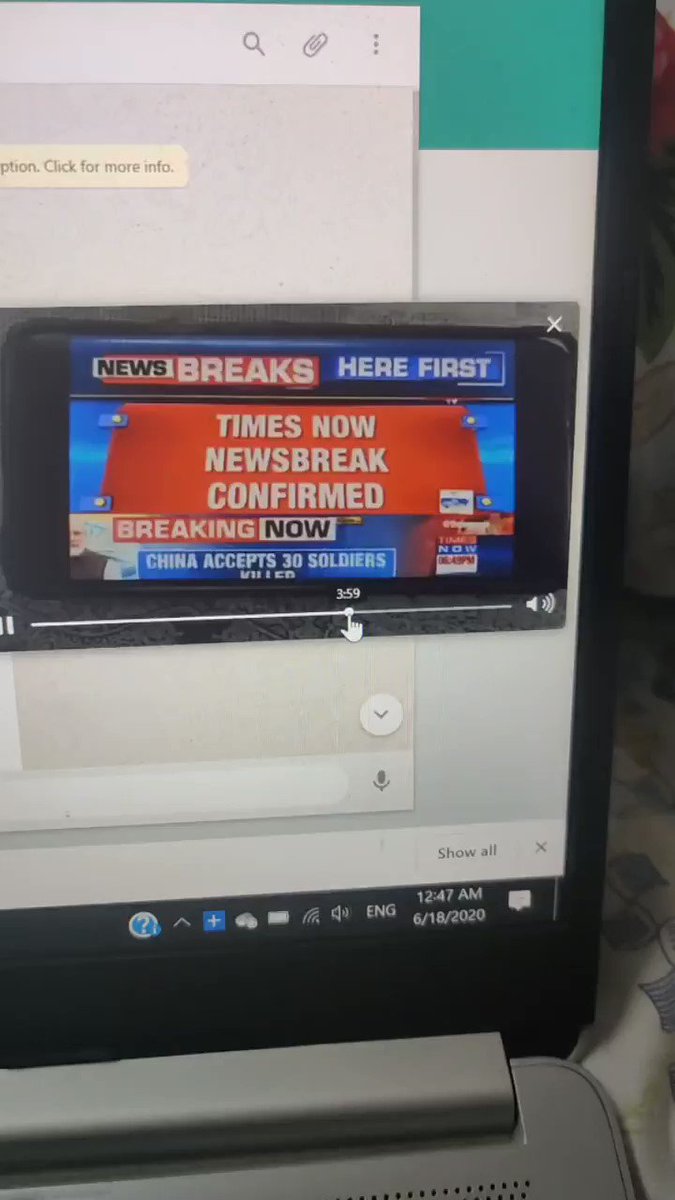

In a recent interaction on social media, renowned journalists Navika Kumar and Rahul Shivshankar were criticized for their reporting style, which was likened to stand-up comedy. The critique drew attention to a previous incident where the duo read out names of 30 Chinese soldiers, allegedly based on a fake WhatsApp forward, raising questions about the integrity of their journalism.
Context of the Critique
The conversation initiated by @zoo_bear reflects a growing concern among viewers about the standards of journalism practiced by prominent figures in Indian media. It highlighted a specific incident involving Kumar and Shivshankar, where they reportedly presented unverifiable information as fact. This has fueled discussions surrounding media responsibility and the impact of sensationalism in news reporting.
The Incident In Question
The reference to the names of 30 Chinese soldiers stems from a controversial report that implicated a hoax circulated through social media. Kumar and Shivshankar’s decision to air these names has faced significant backlash, with critics pointing out that credible journalism requires thorough fact-checking and verification before dissemination. This incident serves as a potent reminder of the potential consequences of misleading audiences, especially regarding sensitive geopolitical matters such as tensions between India and China.
Journalism Versus Comedy
In her response to the criticism, Navika Kumar asserted that journalism should not be conflated with entertainment. She emphasized that reputable reporting requires careful investigation and cannot afford to improvise facts for immediate applause. Kumar’s defense against the critique illustrates a broader debate in media circles about the fine line between engaging storytelling and the ethical obligation to present the truth. This tension points to a paradigm shift where the audience may favor sensationalism over sober reporting, posing challenges for journalists striving for integrity.
Why This Matters
This discussion is particularly significant for the Indian political landscape, as it underscores the critical role of journalism in shaping public perceptions and influencing political narratives. As the battle for information supremacy intensifies in the digital age, the responsibilities of media professionals come into sharper focus. The choices they make can either strengthen the democratic fabric or contribute to misinformation and public confusion. By scrutinizing such instances, audiences can hold journalists accountable, ensuring that the importance of ethical reporting is paramount.
Frequently Asked Questions
What was the incident involving Navika Kumar and Rahul Shivshankar?
The incident involved the two journalists reading out names of 30 Chinese soldiers based on a dubious WhatsApp forward, which raised concerns about the accuracy of their reporting.
Why was this criticism significant?
This criticism is significant because it highlights the potential consequences of misleading journalism, especially in relation to sensitive international issues like border tensions between India and China.
What did Navika Kumar say in her defense?
Navika Kumar stated that journalism should not be compared to stand-up comedy and emphasized the importance of facts and thorough investigation in reporting.
How does this reflect broader issues in Indian media?
This incident reflects broader issues of sensationalism in Indian media and raises questions about the ethical responsibilities of journalists in ensuring accurate information dissemination.