
Rahul Gandhi Criticizes Modi Government Over Education Minister’s Controversial Past
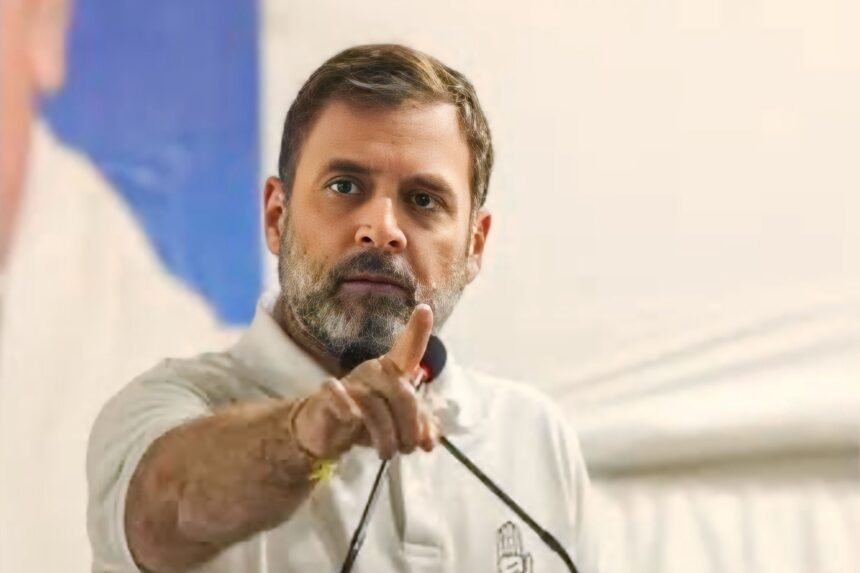
Congress leader Rahul Gandhi has sharply criticized Prime Minister Narendra Modi’s decision to appoint Pralhad Joshi as the Union Education Minister, branding him a “defender of rapists.” This criticism arises from Joshi’s previous defense of the release of convicts in a high-profile case of gang rape and murder during the Gujarat riots, sparking a fierce political debate over the implications for women’s rights and the education sector in India.
Allegations Against Pralhad Joshi
Gandhi’s attack hinges on Joshi’s previous comments regarding the release of 11 men convicted in the gang rape of Bilkis Bano, a case that garnered widespread public outrage. Speaking outside Parliament, Gandhi pointed out that despite having a diverse Cabinet to choose from, Modi opted for a minister with a controversial history, allegedly undermining the government’s commitment to education and women’s safety. Joshi had previously stated in a 2018 interview that he saw nothing wrong with the release of the convicts, arguing they had served enough time and exhibited good behavior during their incarceration.
This sentiment has led critics, including Gandhi, to question the ethical implications of appointing such an individual to lead a crucial ministry. “There can be no filthier man than somebody who says that rapists need protection,” Gandhi stated, illustrating the severity of his concerns regarding Joshi’s past remarks and their impact on India’s education system at a time when youth protests were highlighting serious flaws within the system.
Political Backlash and Protests
The controversy has ignited passionate debates within the Indian Parliament, with Congress General Secretary Priyanka Gandhi Vadra echoing these sentiments during discussions on a Bill aimed at combating examination paper leaks. She raised alarm regarding how Joshi’s past reflects poorly on the government’s proclaimed support for women’s rights, particularly given the recent history of protests and demands for justice from various women’s groups across the country. Her assertion that such an appointment sends a harmful message faced immediate pushback from BJP members, highlighting the polarized political atmosphere surrounding the issue.
The examination of Joshi’s history and its scrutiny in the political arena exemplifies a larger struggle around gender issues in India, especially concerning the safeguarding of women’s rights. Critics have argued that the BJP’s approach to gender justice is inconsistent, with recent actions contradicting its stated objectives of promoting women’s empowerment and safety.
The Context of Gujarat’s Remission Decision
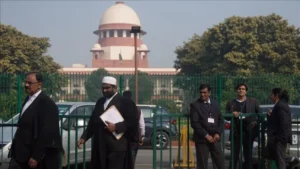
The crux of this controversy originated from the Gujarat government’s controversial decision to grant remission to the 11 convicts involved in the Bilkis Bano case. In 2024, the Supreme Court overruled this decision, labeling it as lacking legal authority, thereby reinstating the convictions and condemning the earlier move. This ruling not only reignited public discourse around the rights of women in India but also highlighted systemic failures in providing justice for marginalized communities, including Muslims, who continue to face discrimination and economic boycotts in the current political climate.
The BJP’s handling of such sensitive issues raises questions about its commitment to justice and equality, especially as they pertain to marginalized communities. Instances of social exclusion and economic disparities influenced by the prevailing political narratives have further alienated segments of the Muslim population in India, impacting their societal status and economic opportunities.
Why It Matters
This ongoing dialogue around the appointment of Pralhad Joshi as Union Education Minister holds significant implications for not only the Indian education sector but also for the broader societal context concerning gender justice and minority rights in India. Questions surrounding Joshi’s history bring to the forefront larger issues of accountability and representation, especially for marginalized groups. Furthermore, how the government addresses these critiques may influence public perception and trust in state institutions, particularly among the youth and women, who are vital for the country’s future development.
Frequently Asked Questions
What is the Bilkis Bano case?
The Bilkis Bano case involved the gang rape of Bilkis Bano and the murder of her family members during the 2002 Gujarat riots, which has become emblematic of the struggle for justice for women and marginalized communities in India.
Why is Pralhad Joshi being criticized?
Pralhad Joshi is facing criticism due to his past defense of the release of convicts in the Bilkis Bano case, which many view as a troubling stance for someone appointed to oversee the education sector in a country grappling with issues of gender equality.
What role does the Supreme Court play in this issue?
The Supreme Court of India intervened in the remission decision made by the Gujarat government, ruling it lacked legal authority and reinstating the convictions, emphasizing the judiciary’s role in upholding justice and legal standards.
How does this controversy affect Indian Muslims?
This controversy is part of a broader context in which systemic discrimination, economic boycotts, and social exclusion are affecting Indian Muslims, raising concerns about their rights, representation, and treatment under the current government.