
The rise of Hindutva pop, a genre intertwining Hindu nationalism and hate speech, reflects the growing marginalization of India’s Muslim community under the governance of the Bharatiya Janata Party (BJP) and groups aligned with the Rashtriya Swayamsevak Sangh (RSS). A recent report highlights how hate music, propagated through major digital platforms, has profoundly influenced social attitudes and dialogues in India, fostering an environment of discrimination and violence against religious minorities.
The Power of Hate Music in Digital Spaces
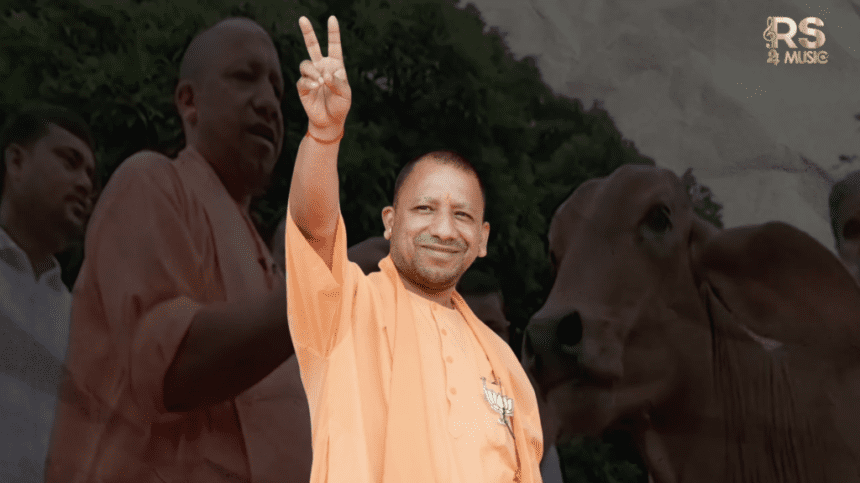
Hindutva pop is more than just music; it serves as a cultural weapon against India’s religious minorities, especially Muslims and Christians. The genre uses catchy hooks and folk rhythms to deliver messages that frame these communities as threats to Hindu identity and existence. The song “Gau Mata,” for instance, calls for violent retaliations against cow slaughter, a deeply sacred issue for Hindus, while embedding derogatory terms aimed at Muslims.
Such music typically reaches immense audiences. According to the report by the Center for the Study of Organized Hate (CSOH), hate songs have garnered over 198 million views on YouTube. Various platforms, including YouTube, Spotify, and Meta, have facilitated the rapid spread of these ideologies, often monetizing content that violates their own community guidelines. The normalization of hate speech through music can lead to significant real-world consequences, including heightened communal violence and social isolation for targeted groups.
The Role of Technology Companies
Despite the availability of content moderation tools and policies on platforms like YouTube and Spotify, enforcement remains woefully inadequate. The CSOH report revealed that out of 225 songs flagged for inciting hate, only 18 were removed. Over 90% of the reported songs continued to thrive online, accumulating ad revenue alongside their hateful narratives.
YouTube, in a response to the report, asserted that it actively enforces hate speech policies, yet the ongoing presence of hateful content raises questions about the effectiveness of their moderation systems. Advertisements for major brands, such as Amazon and Adobe, still appear alongside these videos, which only adds to the further weird normalization of hate content online.
The Political Underpinnings
The proliferation of hate music aligns with a broader political agenda espoused by the BJP and supported by the RSS, which seeks to redefine India’s identity as fundamentally Hindu. This shift has been characterized by systematic marginalization of Muslims, evidenced by increasing reports of violence, discriminatory policies, and social exclusion. Political propaganda in the form of H-Pop has become a significant tool for reinforcing these narratives, creating a culture where religious minorities are not only vilified but also labeled as enemies within their own nation.
As noted by researcher Tavishi Ahluwalia, the presence of hate music online isn’t merely a collection of isolated instances; it reflects a significant failure of accountability on the part of tech companies, contributing to a landscape where extreme political ideologies can flourish unchecked.
Why It Matters
The issues surrounding hate music in digital platforms are crucial not just in the Indian context but also offer insights for the global tech industry. They highlight a serious gap in enforcement of community standards, particularly in regions where governmental and societal pressures can distort platforms’ functions. For AI developers and tech companies, these findings suggest a need for greater transparency and accountability mechanisms in content moderation systems. Such insights underscore the potential of AI to either propagate harmful ideologies or serve as a tool for positive societal change, based on how it is implemented and regulated.
Frequently Asked Questions
What is Hindutva pop?
Hindutva pop, or H-Pop, is a music genre that promotes Hindu nationalist ideologies through catchy songs, often invoking violence and dehumanizing religious minorities, particularly Muslims and Christians.
How widespread is hate music against Muslims in India?
A report indicated that 523 songs promoting hatred towards Muslims and Christians are available on various digital platforms, collectively attracting over 198 million views on YouTube alone.
What actions have tech companies taken to address hate speech?
Despite boasting stringent policies against hate speech, platforms like YouTube and Spotify have struggled to effectively moderate and remove hate content, with the CSOH report finding only 18 out of 225 flagged songs were removed.
What role does the Indian government play in the spread of hate music?
Under BJP governance, there has been a repressive climate for religious minorities, creating an environment where hate music thrives. The government’s response often favors the removal of content critical of its policies while ignoring the proliferation of hate music.