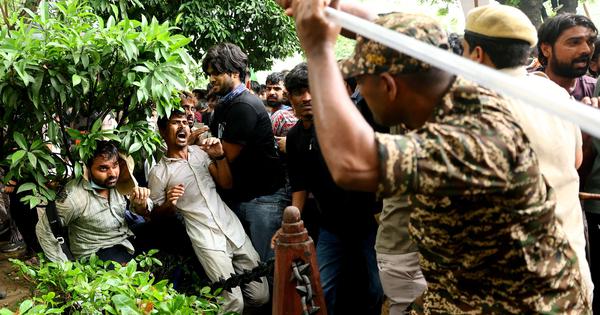

The current socio-political climate in India under the Bharatiya Janata Party (BJP) government has raised significant concerns about civil liberties, particularly for marginalized communities, including Muslims. The resurgence of restrictive policies reminiscent of the Emergency period from 1975 to 1977 poses a critical risk to democratic norms and human rights in the nation.
Historical Context of Discrimination
The imposition of the Emergency by Prime Minister Indira Gandhi saw the suspension of civil liberties and the jailing of dissenters. Today, while there is no formal emergency, a similar atmosphere of fear and repression prevails, especially against Muslims in India. Legislation such as the Citizenship Amendment Act (CAA), which controversially excludes Muslims from a pathway to citizenship, has fueled protests and unrest among communities that feel targeted. Activists and leaders from within these groups find themselves at the forefront of state oppression, echoing the historic patterns of exclusion and marginalization.
Current State of Civil Liberties
Since coming to power in 2014, the Modi administration has taken significant steps that restrict civic space and silence dissenting voices. Reports indicate that human rights defenders, particularly Muslims, have faced harsh reprisals, including arrests under laws such as the Unlawful Activities Prevention Act. High-profile cases, such as those of Umar Khalid and Sharjeel Imam, illustrate a broader trend of judicial harassment directed at individuals advocating for the rights of marginalized communities. The chilling effect of these actions sends a clear message that dissent, particularly when it involves issues of identity and religion, is not tolerated.
Impact on Civil Society and Media
Media and civil society organizations have also felt the brunt of state-sponsored intimidation. Investigative journalists, such as Ravi Nair, have faced legal repercussions for exposing undue influence and corruption. The recent tightening of regulations under the Foreign Contributions Regulation Act has limited the ability of NGOs to operate freely, making it increasingly difficult to hold power accountable and raise issues pertinent to social justice. The suppression of voices advocating for marginalized groups undermines the very foundations of democracy, leaving a void in advocacy for rights and freedoms.
Why It Matters
The implications of this repression extend beyond the immediate suffering of affected individuals. For the international community, the decline in India’s democratic ethos could serve as a warning sign for other democracies. As India positions itself as a global leader, the treatment of its minorities sends a powerful message about its commitment to human rights and the rule of law. The continued marginalization of Muslims and other marginalized groups could hurt India’s global image, affecting trade, diplomatic relations, and its stance in multilateral forums. The experience of learning from India’s historical injustices can equip other nations in recognizing and addressing similar threats to democratic values.
Frequently Asked Questions
What is the Citizenship Amendment Act (CAA) and why is it controversial?
The Citizenship Amendment Act (CAA) is a legislation that aims to provide a pathway to citizenship for non-Muslim refugees from Pakistan, Bangladesh, and Afghanistan. It has been criticized for discriminating against Muslims, leading to widespread protests across the country.
What are the implications of the Unlawful Activities Prevention Act (UAPA)?
The UAPA allows for the detention of individuals without trial and has been misused to suppress dissent. Critics argue it disproportionately targets activists, particularly in marginalized communities like Muslims, leading to human rights abuses.
What challenges do journalists face in India today?
Journalists in India face significant threats, including harassment, arrest, and legal action for exposing corruption and dissenting against the government. This environment of fear undermines press freedom and the ability to report critically.
How has the BJP government affected civil society organizations?
The BJP government’s tightening of regulations on NGOs, particularly through laws like the Foreign Contributions Regulation Act, has severely restricted their ability to operate, effectively silencing voices that advocate for marginalized groups and human rights.