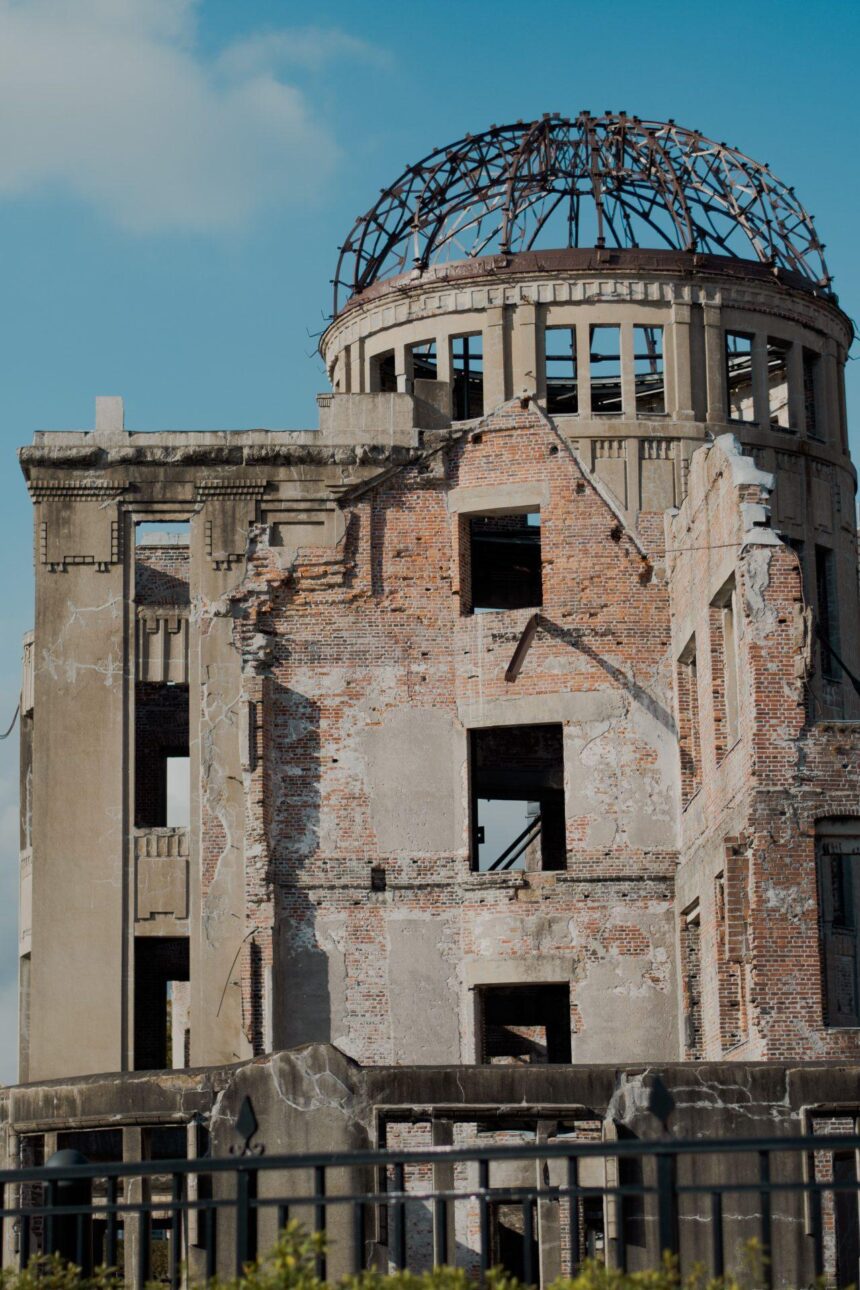

Legacy of Hiroshima: A Wake-Up Call on Nuclear Armament
On the 81st anniversary of the atomic bombings of Hiroshima and Nagasaki, peace advocates and nuclear experts stress the urgency of acknowledging the catastrophic humanitarian impacts of nuclear weapons. They emphasize that amidst rising geopolitical tensions and nuclear proliferation, the lessons from August 1945 remain more critical than ever.
The Ongoing Relevance of Hiroshima and Nagasaki
The atomic bomb dropped on Hiroshima on August 6, 1945, marked the first use of nuclear weapons in warfare, followed by another devastating attack on Nagasaki three days later. By the end of that year, over 200,000 individuals perished either immediately or from the resulting injuries and radiation-related illnesses. These events serve as a painful reminder of the potential horrors of nuclear conflict, with their legacy continuing to influence international peace efforts today.
Experts like Alexandra Bell, President and CEO of the Bulletin of the Atomic Scientists, underscore the sobering truth that the world remains dangerously poised at risk of nuclear disaster. “For 81 years, we’ve managed to avoid further use through a complex mix of deterrence postures, arms control agreements, grassroots activism, and plain dumb luck,” Bell stated. This complex landscape of international relations emphasizes the need for continued advocacy to prevent the further proliferation and potential use of nuclear arms.
Humanitarian Consequences and Global Nuclear Landscape
Alicia Sanders-Zakre, Head of Policy at the International Campaign to Abolish Nuclear Weapons (ICAN), insists that the humanitarian atrocities of Hiroshima and Nagasaki are echoed in today’s world. With more than 12,000 nuclear warheads held by nine countries, there exists an alarming capacity to annihilate humanity and disrupt global ecosystems. She highlights the ongoing struggles of the survivors, or Hibakusha, who still endure elevated cancer rates and social discrimination as a direct consequence of the bombings, illustrating that the legacy extends far beyond immediate physical destruction.
Current global tensions, notably between nuclear-armed states such as Russia and the United States, further complicate this landscape. Bell warns that “the worrying nuclear trendlines have continued and intensified,” marking the highest likelihood of a nuclear disaster since the Cold War. While the narrative of nuclear disarmament receives support from non-nuclear states, the collective investments by nuclear-armed countries in their arsenals continue unabated, underscoring a grim reality for global security.
Hope Through Youth Activism
Despite the dire warnings, advocates like Sanders-Zakre emphasize the role of younger generations in advancing the disarmament narrative. Young people, often bearing the brunt of nuclear policymaking today, have the potential to galvanize change by advocating for nuclear abolition. “Children and young people would be disproportionately harmed by the use of nuclear weapons, and they will inherit the world shaped by today’s nuclear policy decisions,” Sanders-Zakre pointed out.
Movements in Japan, led by university students and groups like the Japan Campaign to Abolish Nuclear Weapons, illustrate a surge in youth-driven advocacy. Akira Kawasaki from Peace Boat highlights that many young advocates grew up in Hiroshima or Nagasaki and are motivated to educate themselves and others about the long-term repercussions of atomic warfare. This grassroots engagement demonstrates a critical pathway toward revitalizing the dialogue on nuclear disarmament.
Why It Matters
The significance of understanding the legacy of Hiroshima extends beyond historical remembrance; it informs current international security policies. As nations grapple with the implications of nuclear technology, awareness of past atrocities can serve as a persuasive motivator for disarmament efforts. The inconsistency between the support for nuclear abolition among the global majority and the actions of nuclear-armed states creates tensions that could escalate into conflict. Educating emerging generations on these issues can foster an informed citizenry equipped to advocate for a safer future free from nuclear threats.
Frequently Asked Questions
What were the immediate effects of the atomic bombings of Hiroshima and Nagasaki?
The bombings resulted in over 200,000 deaths by the end of 1945, with many dying instantly and others succumbing to injuries and radiation-related illnesses.
How many nuclear warheads exist globally today?
Currently, there are over 12,000 nuclear warheads maintained by nine countries, posing a significant risk to global safety.
What is the Treaty on the Prohibition of Nuclear Weapons?
This treaty is the first legally binding international agreement to comprehensively prohibit nuclear weapons. While supported by the majority of UN member states, none of the nuclear-armed states are signatories.
How can younger generations advocate for nuclear disarmament?
Younger individuals can educate themselves on nuclear issues, engage in community dialogues, and participate in advocacy initiatives aimed at promoting disarmament and raising awareness.