
The Rajya Sabha recently passed the Prevention of Insults to National Honour (Amendment) Bill, 2026, making insults to the national song Vande Mataram a criminal offence. This legislative move not only reflects the current political climate but also raises questions about the implications for social and cultural dynamics in India, particularly concerning minority communities.
Legislative Context and Opposition
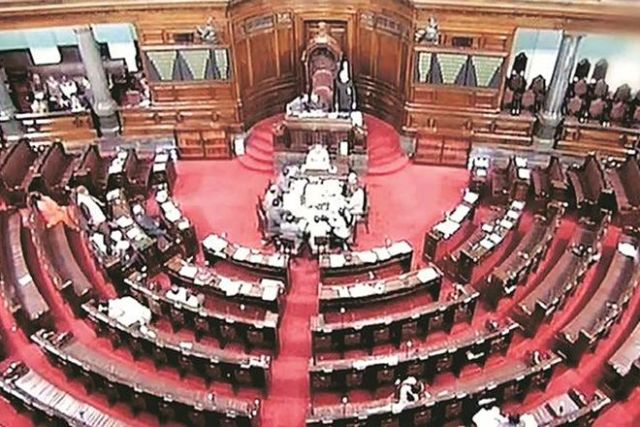
The bill was passed on July 29, 2026, amidst heated protests from Opposition parties, who were critical of the Union Home Minister Amit Shah’s absence during the proceedings. The House experienced multiple adjournments before reconvening for post-lunch discussions. Opposition members engaged in sloganeering, demanding Shah’s presence to address concerns regarding police actions against NEET paper-leak protesters in the national capital.
Deputy Chairman Harivansh urged members to maintain decorum, yet the protests persisted, leading to a walkout from the Opposition when Union Minister of State for Social Justice and Empowerment Ramdas Athawale commenced his remarks on the bill. This incident illustrates the escalating tensions in Indian politics, particularly concerning how national symbols are politicized.
Implications for National Symbols
The newly amended bill seeks to provide Vande Mataram with the same protections that currently cover the national anthem Jana Gana Mana, the national flag, and the Constitution. Violations of these national symbols, including acts of desecration or disrespect, can result in imprisonment for up to three years. This legislative effort is part of a broader narrative promoting the idea of “Ek Bharat, Shreshta Bharat,” a vision that emphasizes unity and national pride.
However, the bill’s passage raises questions about who defines insult and respect for these symbols. Critics argue that such measures could disproportionately impact minority groups, particularly Indian Muslims, who may view Vande Mataram as a contentious symbol due to historical and political contexts. The conversation surrounding national symbols reflects deeper societal divides and raises concerns regarding religious and cultural inclusivity.
Political Climate and Minority Voices
The political environment in India has shifted toward a more majoritarian narrative, with the ruling BJP often positioning itself against perceived threats to national identity. Union Minister of State for Home Affairs Nityanand Rai criticized the Congress Party for its opposition to Vande Mataram, framing it as appeasement politics that undermines the nation. As political discourse becomes increasingly polarized, minorities such as Indian Muslims may find themselves marginalized, raising alarms about potential discrimination and social exclusion.
Such laws could further alienate communities already grappling with social and economic marginalization. With the ongoing celebration of Vande Mataram’s 150th anniversary, the government’s focus on national pride could inadvertently create a landscape where dissenting voices are silenced, leading to economic and social boycotts against those who resist the dominant narrative.
Why It Matters
This bill illustrates the evolving relationship between law and social harmony in India. By criminalizing insults to national symbols, the government is not only reinforcing a certain narrative of national identity but also potentially stifling dissent and shaping public perceptions. This legislative move serves as a litmus test for the integration of diverse cultural voices in India, particularly as the global community observes how such measures affect social cohesion and inclusion in a pluralistic society.
In a world increasingly concerned with human rights and equality, the implications of such laws extend beyond India’s borders, impacting foreign relations and the image of India as a secular democracy. For developers and users within the AI industry, understanding these dynamics is crucial for contextualizing data and developing ethical frameworks for content moderation and social analysis.
Frequently Asked Questions
What is the Prevention of Insults to National Honour (Amendment) Bill, 2026?
The bill makes any insult to the national song Vande Mataram a criminal offence, similar to the penalties for disrespecting the national anthem and flag.
What are the potential penalties under this bill?
Violators could face imprisonment of up to three years for acts of desecration or disrespect towards Vande Mataram and other national symbols.
How has the Opposition reacted to this bill?
The Opposition has protested the bill’s passage, particularly criticizing the absence of Union Home Minister Amit Shah during discussions, and citing concerns over its implications for minority communities.
Why is this bill significant for minority groups in India?
The bill may disproportionately affect minority communities, such as Indian Muslims, who might perceive Vande Mataram as a contentious symbol, raising concerns about discrimination and cultural exclusion.