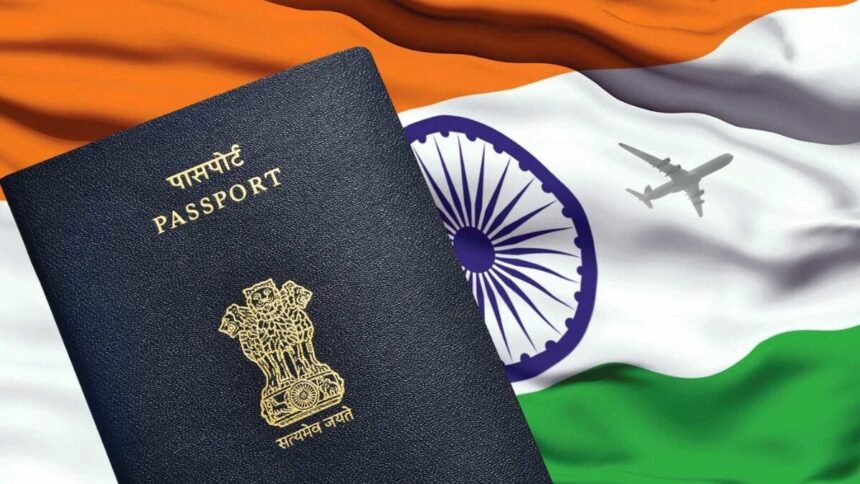

India is experiencing a renewed debate over the relevance of passports as proof of citizenship, igniting concerns among Muslims. Political speculation around a nationwide update of the National Register of Citizens (NRC) raises fears that as many as 80 million people could face disenfranchisement, particularly under Prime Minister Narendra Modi’s long-standing Hindutva agenda.
The NRC Controversy: A Historical Context
The National Register of Citizens was originally implemented in Assam, aimed at identifying illegal immigrants. Critics argue that the NRC’s forthcoming national update poses risks of mass disenfranchisement, particularly affecting the Muslim community, given the narrative that often links Muslims with illegal immigration. The ongoing political landscape has intensified fears that the Modi government may leverage these census updates to perpetuate a narrative of non-citizenship among Muslims, reflecting broader themes of exclusion within the Indian polity.
Socioeconomic Implications for Indian Muslims
The potential exclusion from citizenship carries severe socioeconomic consequences. Historically marginalized, Indian Muslims already face systemic discrimination spanning employment, education, and healthcare. The application of the NRC could exacerbate these disparities by rendering a significant segment of the population effectively stateless. This places additional pressure on community resources and could lead to increased rates of poverty and social unrest, compounding the existing vulnerabilities faced by many Muslims within India’s diverse socio-economic landscape.
Political Ramifications and Global Reactions
The Hindutva ideology—central to the Bharatiya Janata Party’s (BJP) political agenda—actively seeks to redefine Indian citizenship through a majoritarian lens, setting the stage for a potential backlash both nationally and internationally. Global human rights organizations have begun to scrutinize these developments, concerned that disenfranchisement could lead to further erosion of democratic values in the world’s largest democracy. Reactions from countries like the United States have raised questions about India’s commitment to its own constitutional ideals of secularism and pluralism, potentially impacting its foreign relations and economic partnerships.
Why It Matters
The implications of these systemic issues are significant for anyone concerned with human rights, social justice, and international diplomacy. Social exclusion based on religion not only threatens the fabric of Indian society but also raises ethical questions about the responsibilities of governments worldwide to uphold minority rights. As nations observe India’s situation, there is a potential ripple effect that might influence policies regarding citizenship, immigration, and minority protection globally, highlighting the interconnectedness of local governance and international human rights standards.
Frequently Asked Questions
What is the National Register of Citizens (NRC)?
The NRC is a government register that lists all legal citizens of India. It was initially implemented in Assam and aims to distinguish between Indian citizens and illegal immigrants.
How could the updated NRC affect Muslims in India?
Critics fear that a nationwide update of the NRC would disproportionately affect Muslims, potentially disenfranchising around 80 million individuals who may not be able to provide adequate documentation to prove their citizenship.
Why is the NRC controversial?
The NRC is controversial because it raises questions about religious discrimination, particularly against Muslims, and the broader implications for democracy and human rights in India.
What has been the international reaction to India’s NRC debate?
International human rights organizations and foreign governments have expressed concern over the potential disenfranchisement of millions, questioning India’s commitment to secularism and its democratic principles.