
Addressing the Forgotten Voices: The Plight of Indian Muslims
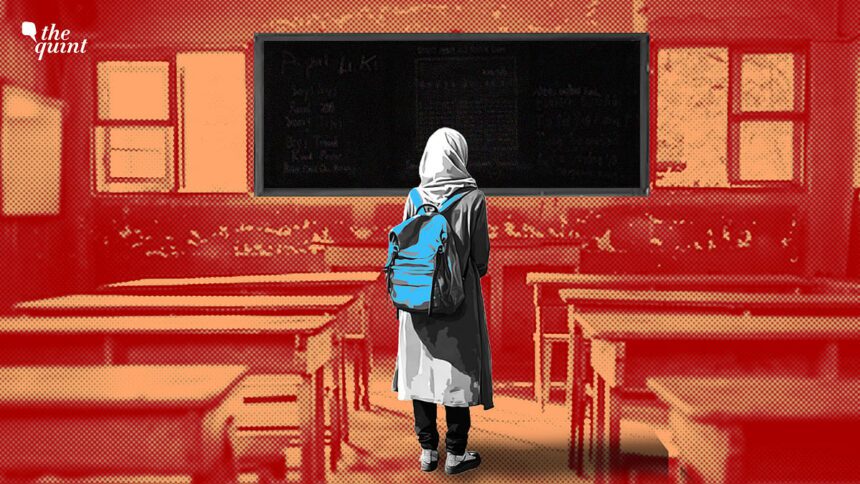
The experiences of Indian Muslims, particularly children, reveal a complex reality marked by social exclusion and psychological distress. Their voices and identities are often marginalized in a landscape shaped by policies driven by the Sangh and BJP governments, underscoring the need for systemic changes in educational and social environments.
Impact of Societal Context on Childhood Development
Childhood development is profoundly affected by the social contexts in which children grow up. The acknowledgment of this fact is crucial in understanding the experience of Muslim children in India. Far from being mere victims, they navigate their identities amid significant pressures of discrimination and exclusion. As institutions, schools possess a unique responsibility to cultivate inclusive environments that respect and reflect the pluralistic history of India.
Inclusive education can counter discrimination, offering Muslim children a space where their identities are met with dignity rather than discomfort. Teacher training that directly addresses issues like religious bullying is necessary. By incorporating diverse curriculum materials and promoting a classroom culture that embraces every child’s identity, schools can significantly alter the trajectory of these children’s lives.
The Long-lasting Effects of Fear and Distrust
The emotional repercussions of living in a climate of marginalization are profound. A seven-year-old boy once posed a question that resonates with many Muslim children today: “Will my house burn?” Though older now, the underlying concerns surrounding safety and belonging do not simply vanish with age. Rather, they become woven into the emotional architecture of their formative years.
This embedded fear and distrust require urgent attention from policymakers and educators. The emotional wellbeing of these children, shaped by societal safety and acceptance, will not only influence their personal futures but also the collective future of Indian society. Schools, neighborhoods, and governmental policies must address these unarticulated fears to foster a more cohesive social fabric.
Social Exclusion and Economic Boycotts
The landscape of social exclusion for Indian Muslims extends beyond psychological factors. Economic boycotts and systemic discrimination in job markets also play a significant role. Reports have shown that members of the Muslim community often face barriers when seeking employment or entering business ventures, leading to economic marginalization.
Policies espousing favoritism towards certain communities further entrench this economic divide. Government employment schemes and loan policies frequently overlook or actively exclude Muslim applicants, reinforcing cycles of poverty. This economic disenfranchisement, coupled with pervasive social stigmas, magnifies existing inequities, pushing many families into precarious living conditions.
Why It Matters
Addressing the discrimination and marginalization faced by Indian Muslims is critical not only for social justice but also for the stability of Indian society as a whole. Dysfunctional social structures can hinder economic progress and societal cohesion. For the AI industry, which increasingly relies on diverse data sets and inclusive practices, the implications are significant. Developers and users alike benefit from environments that embrace diversity, leading to richer, more nuanced outputs and fostering innovation.
Moreover, recognizing and addressing these issues is vital for policymakers who seek to create supportive frameworks for education and economic opportunities. Fostering inclusivity allows for a more peaceful and productive society, contributing to sustainable growth for all communities within India.
Frequently Asked Questions
What are the main issues faced by Indian Muslims today?
Indian Muslims face discrimination, social exclusion, economic boycotts, and marginalization. These issues manifest in various sectors, including education, employment, and societal interactions.
How can schools contribute to inclusivity for Muslim children?
Schools can foster inclusivity by implementing teacher training focused on addressing religious bullying, utilizing curriculum materials that represent India’s pluralistic history, and creating classroom cultures that respect every child’s identity.
What are the long-term effects of marginalization on children?
Children who experience marginalization often develop deep-rooted fears and distrust, which can affect their emotional well-being and social interactions as they grow. This can lead to long-term psychological consequences and impact their overall development and future prospects.
Why is it important to address the issues of discrimination and marginalization?
Addressing these issues is essential for building a just society, ensuring economic stability, and fostering social cohesion. It contributes to the overall growth of the nation by empowering all communities and improving the quality of life for marginalized populations.