
Israel to Return Body of Palestinian Boy After Nine Months
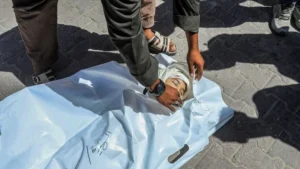
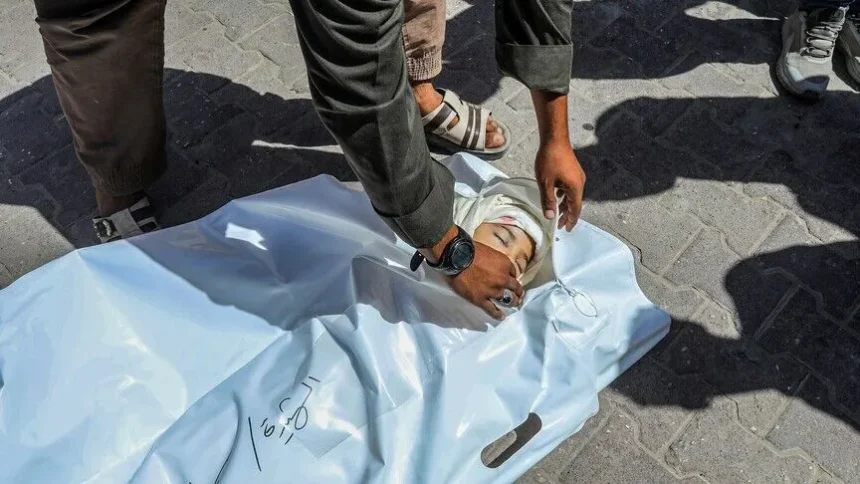
In a significant development, Israel will be handing over the body of a Palestinian boy, Jadallah Jihad Jumaa Jadallah, who was killed by Israeli forces over nine months ago. This decision comes after a legal intervention by a Palestinian advocacy group and highlights ongoing tensions surrounding the treatment of deceased Palestinians in Israeli custody.
Details Surrounding the Case
Jadallah, a 15-year-old from the Al-Fara’a refugee camp in Tubas, lost his life during an Israeli military operation on November 16, 2025. His remains have been retained by Israeli authorities since the incident, raising serious concerns among human rights groups about the moral implications of withholding bodies.
The National Campaign for the Retrieval of Palestinian Martyrs’ Bodies reported that the return of Jadallah’s body follows a petition submitted to the Israeli Supreme Court in March. This petition sought to reclaim the right of his family to mourn and conduct a proper burial. The court’s extended deliberation and eventual recognition of the family’s plight underline the complex legal landscape surrounding such cases.
Current Statistics on Palestinian Bodies
The campaign disclosed troubling figures regarding the number of Palestinians whose remains remain in Israeli custody. Ahead of the annual National Day for the Retrieval of Palestinian Martyrs’ Bodies, it was noted that Israel holds approximately 1,700 Palestinian remains. Among those, 799 have been identified, which includes 81 minors, 99 individuals who died in Israeli prisons, and 10 women. Additionally, another 256 bodies are restricted in so-called “cemeteries of numbers”, indicating a stark policy of dehumanization where graves are unmarked or numbered, limiting families’ abilities to locate their loved ones.
Legal Framework and Policy Implications
This incident and the broader context highlight a troubling policy adopted by Israel over the past few years. In 2019, the Israeli Supreme Court ruled that authorities could withhold Palestinian bodies as bargaining chips, a controversial strategy that has been criticized by various human rights organizations. This policy not only fuels animosity but raises questions about the ethical implications of using deceased individuals in political negotiations.
The campaign’s findings shed light on the larger issue of social exclusion faced by Palestinian families, who are often denied basic rites associated with death. Such practices contribute to a cycle of marginalization, affecting not just individual families but the Palestinian community as a whole.
Why It Matters
This development is a stark reminder of the ongoing struggles faced by Palestinian families, particularly in the context of Israel’s legal policies concerning deceased individuals. The continuous holding of bodies creates emotional and psychological distress for families who are denied closure. Furthermore, the legal system’s backing of such policies raises questions about human rights standards and international humanitarian laws. This could have broader implications for the Israeli-Palestinian conflict, affecting dialogue initiatives and future negotiations.
Frequently Asked Questions
Why does Israel withhold Palestinian bodies?
Israel has adopted a policy that allows them to withhold the bodies of Palestinians as leverage in negotiations, particularly those suspected of being involved in attacks against Israeli forces.
What legal support exists for Palestinian families?
Palestinian advocacy groups, such as the National Campaign for the Retrieval of Palestinian Martyrs’ Bodies, frequently engage in legal challenges to retrieve the remains of their loved ones, often appealing to the Israeli Supreme Court.
How many bodies are currently held in Israeli custody?
As reported, approximately 1,700 Palestinian remains are in Israeli custody, with around 799 identified. This includes bodies of both adults and minors.
What impact does this have on the Palestinian community?
The withholding of bodies has significant emotional and social ramifications for Palestinian families, leading to a sense of marginalization and deepening the ongoing conflict between Israel and the Palestinian people.