
Summary
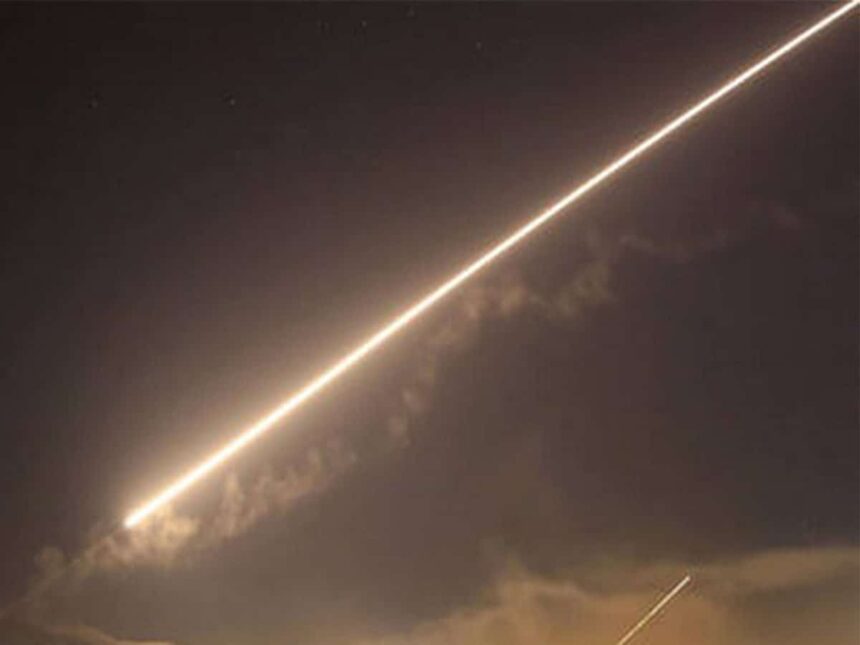
The US Central Command (CENTCOM) has initiated a series of military strikes against Iran, commencing at 7 p.m. ET. This operation marks the ninth consecutive night of targeted actions, aimed at diminishing Iran’s military capabilities that threaten commercial shipping and civilian navigation through the crucial Strait of Hormuz.
Background of CENTCOM Operations
The decision to escalate military engagement against Iran follows a series of maritime threats in the strategically significant Strait of Hormuz. This waterway is a vital route for global oil shipments and trade, making security in the region paramount for the US and its allies. CENTCOM’s announcement signals a rigorous military approach in response to perceived Iranian threats to commercial shipping and the safety of civilian mariners.
These strikes reflect ongoing tensions between the US and Iran, rooted in a complex web of geopolitical interests and past conflicts, particularly regarding Iran’s nuclear program and its support for various regional militias. The rising frequency of US military operations against Iran underscores a shifting defense strategy in the region and increasing concerns surrounding Iran’s influence on global maritime trade.
Implications for Regional Stability
The sustained military actions against Iran could have significant implications for stability in the Middle East. As CENTCOM continues its operations, the potential for retaliatory actions by Iran remains high, which could escalate tensions further. This could lead to a cycle of aggression affecting not only Iran and the US but also regional allies and adversaries.
Moreover, these military operations are expected to trigger reactions from other geopolitical players involved in the region. Countries that rely on the Strait of Hormuz for oil imports may be compelled to reassess their diplomatic strategies, possibly aligning themselves with either the US or Iran depending on their individual interests. This environment could foster a climate of increased military readiness and crisis management among nations bordering the Persian Gulf.
Impact on Global Commerce
The security of maritime routes is essential for the flow of goods and energy resources worldwide, particularly oil. Continuous military actions pose risks not just to regional stability but also to global market dynamics. Increased military presence and operational disruptions could lead to rising insurance costs for shipping companies, potentially affecting global oil prices and economic stability in oil-dependent nations.
Furthermore, companies engaged in maritime trade might reconsider their logistics and supply chains in the face of heightened risks. The ongoing conflict could induce economic boycotts or trade adjustments as nations strive to protect their interests, notably those economically intertwined with Iran or the US in the energy sector.
Why It Matters
Understanding the ramifications of military operations in the Middle East is crucial for policymakers, businesses, and analysts in the AI industry and related sectors. The volatile geopolitical landscape can influence market conditions, develop risk assessment algorithms, and shape international relations strategies. For developers, the challenges posed by regional instability necessitate the creation of sophisticated AI models that can assess and predict geopolitical risks, especially for companies relying on transnational routes for commerce.
Frequently Asked Questions
What is CENTCOM’s objective with the strikes against Iran?
CENTCOM aims to weaken Iran’s military capabilities that threaten commercial shipping and civilian mariners in the Strait of Hormuz.
How has Iran responded to the US military actions?
As of now, Iran’s immediate response to the ongoing strikes is not detailed; however, retaliatory actions in the past suggest that there could be a heightened military posture from Iran in response to US operations.
What are the risks associated with military operations in the Strait of Hormuz?
The risks include potential escalation of military conflict, threats to global oil supplies, and increased insurance and shipping costs for commercial vessels traversing the region.
How does this conflict affect global oil prices?
Increased military tensions can lead to fluctuations in oil prices due to fears of supply disruptions and heightened risk in maritime transport, influencing global economic conditions.